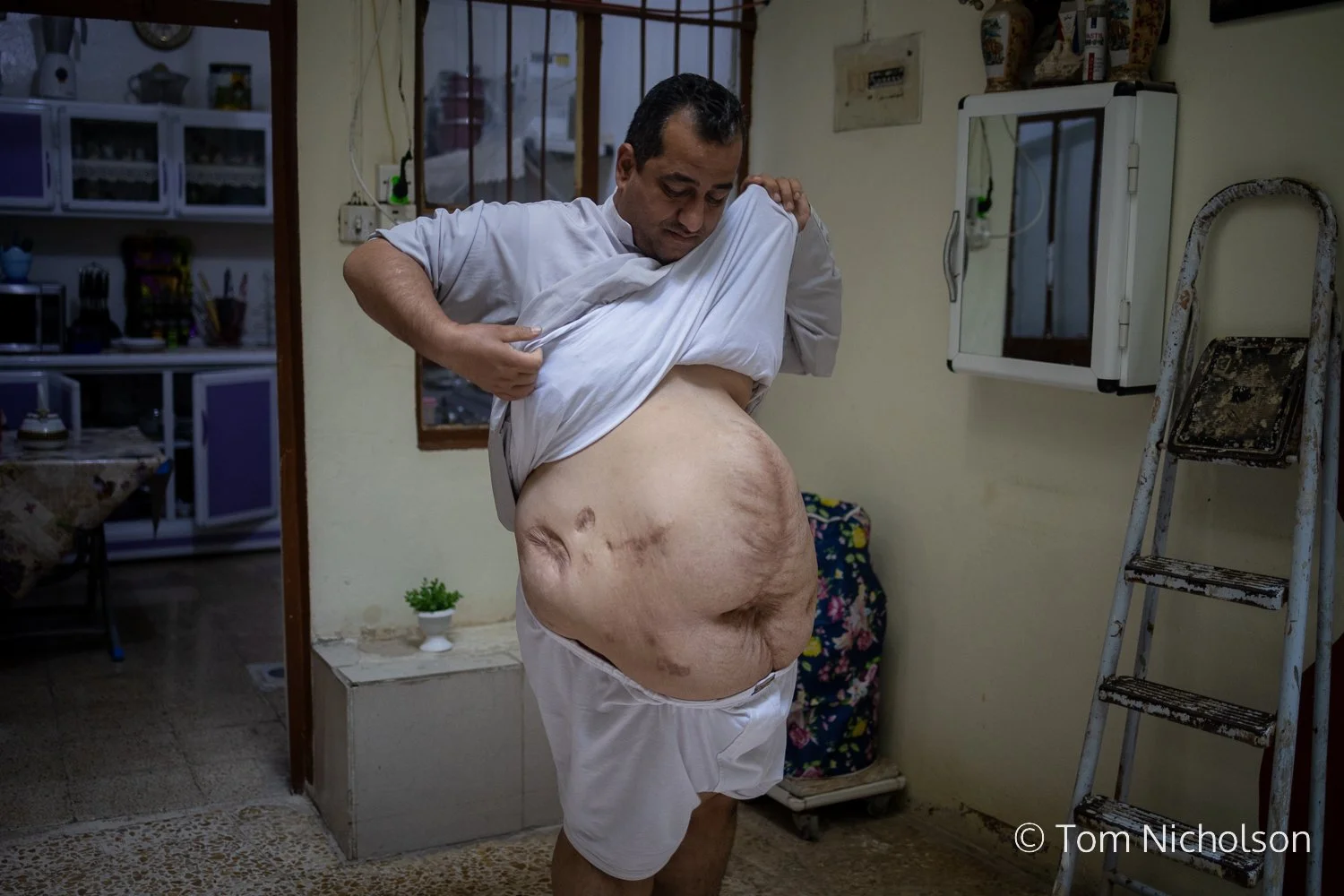
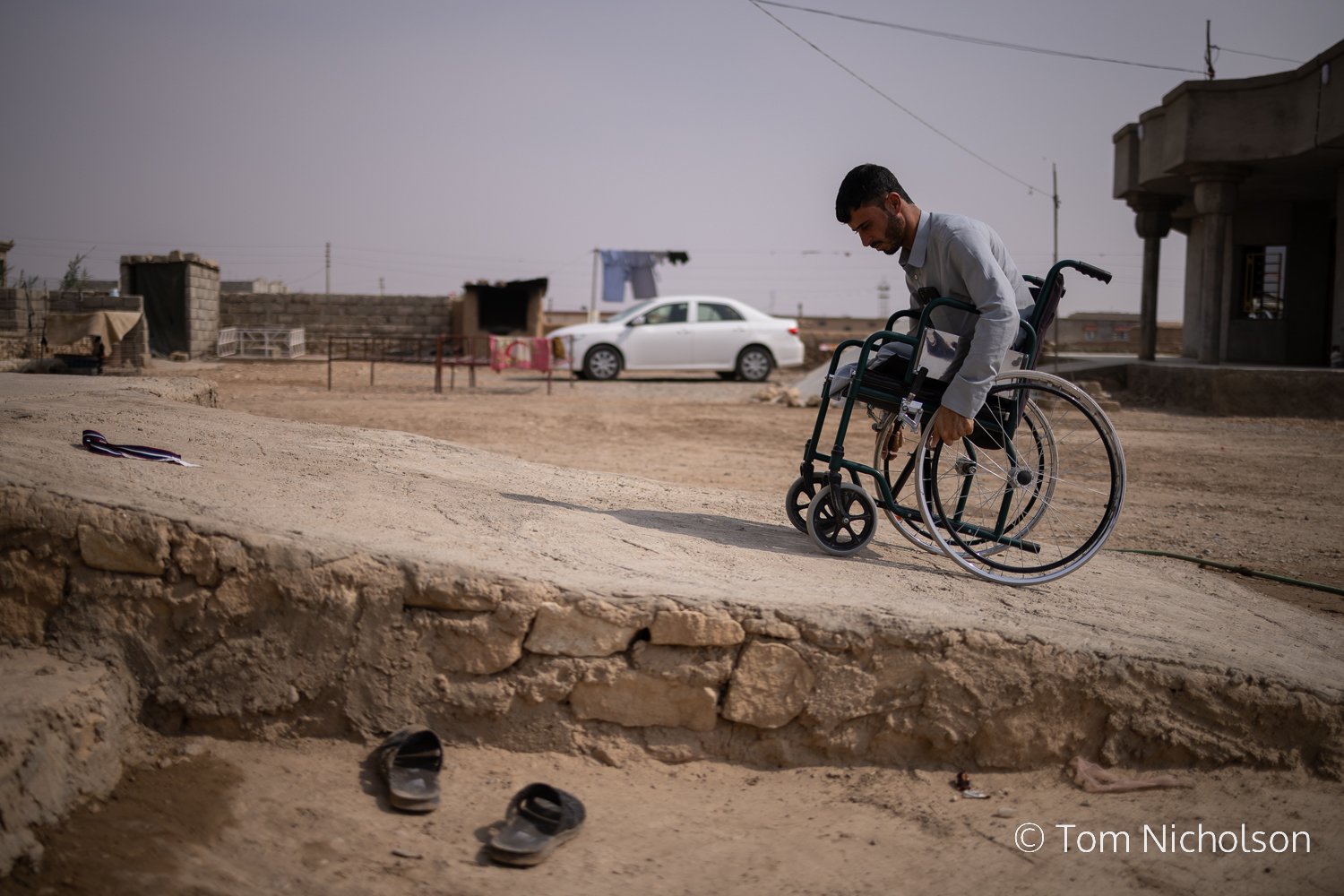
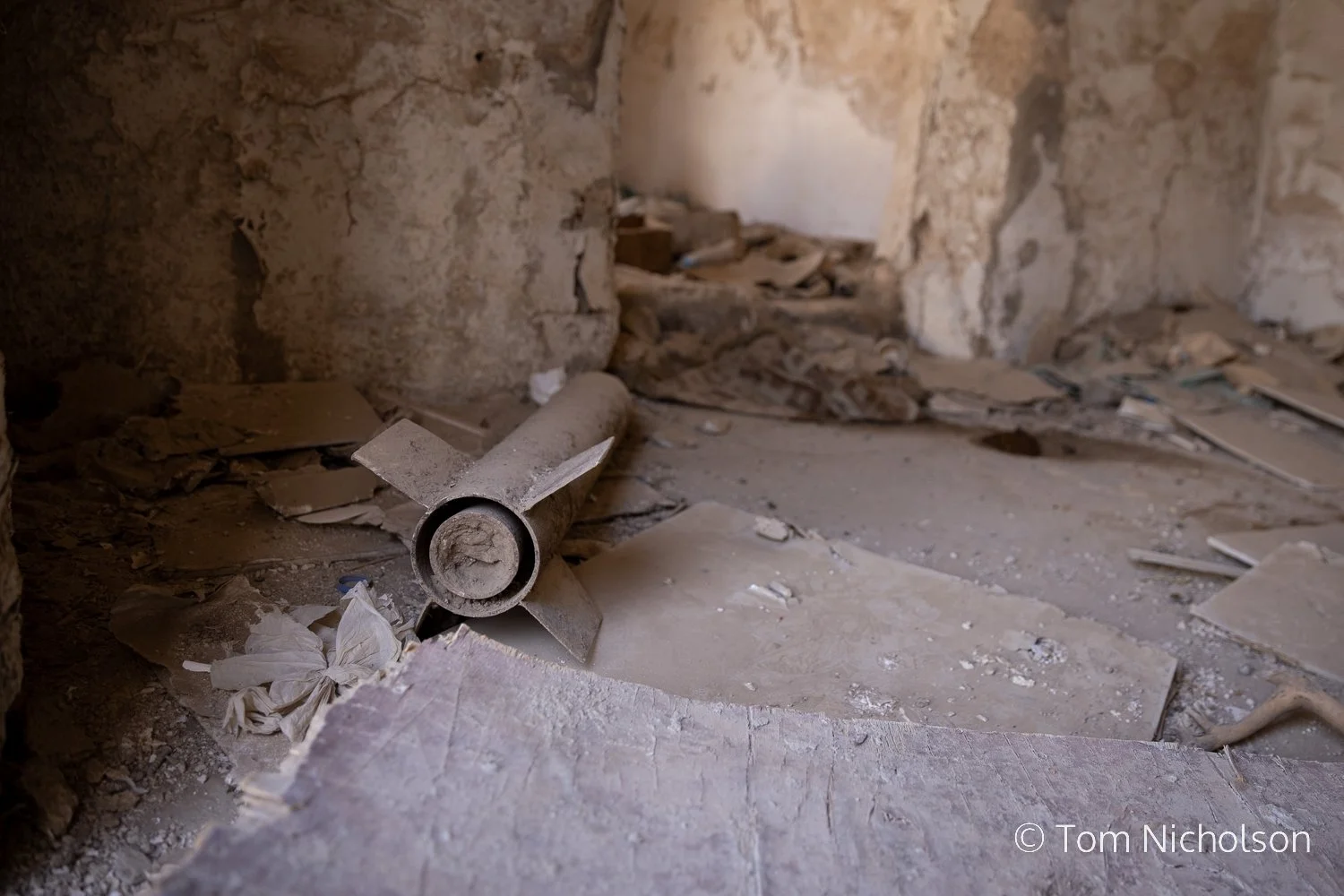
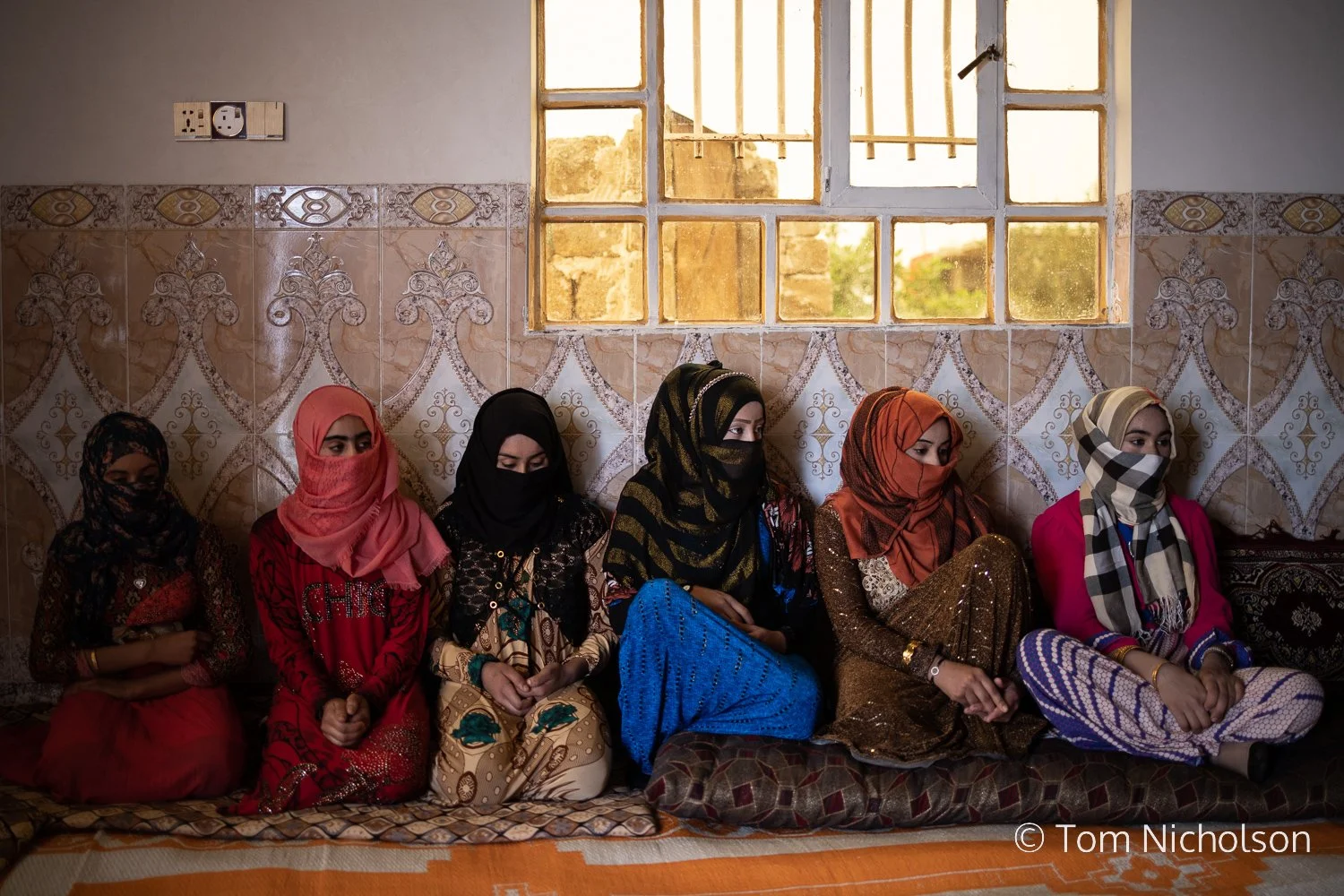
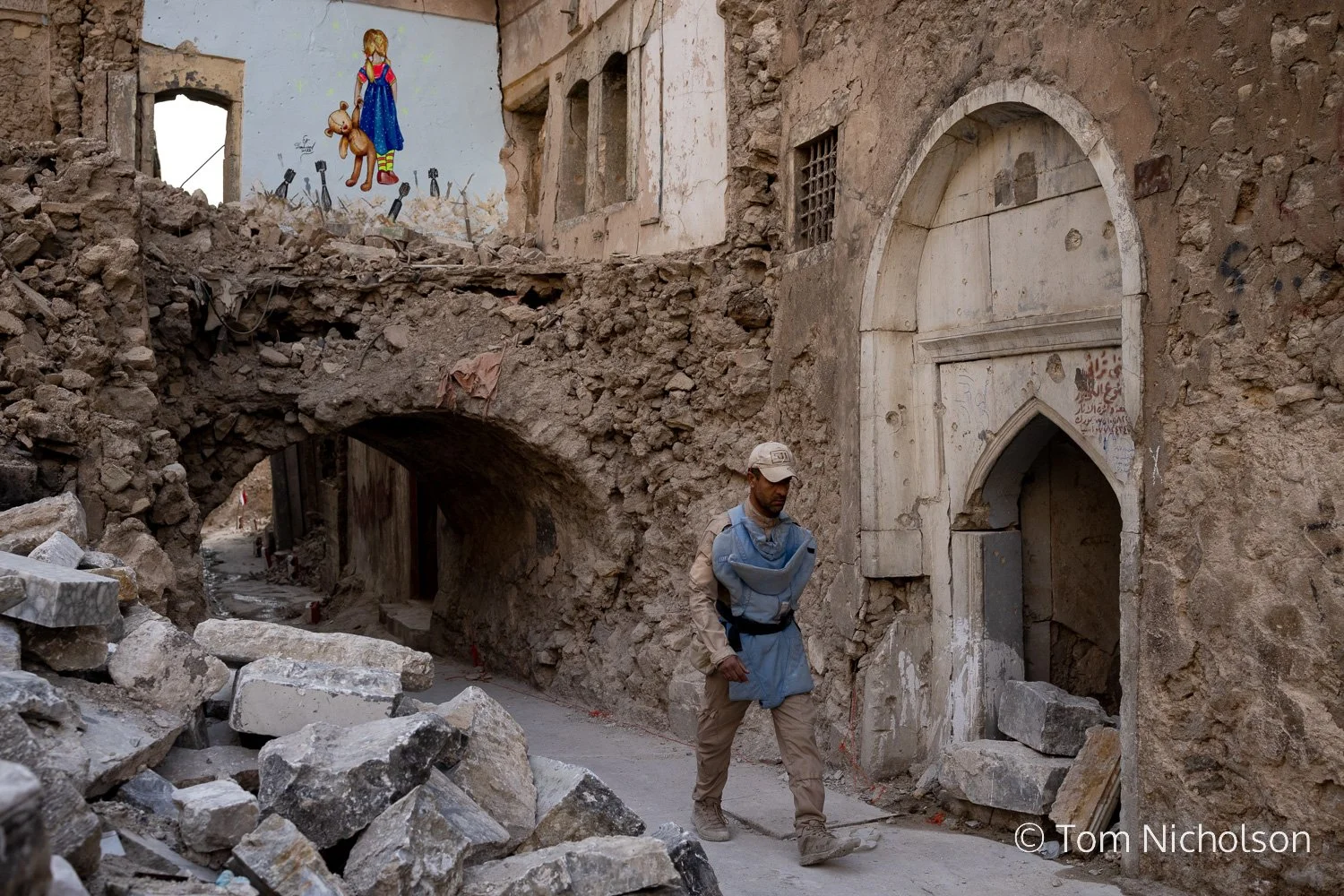
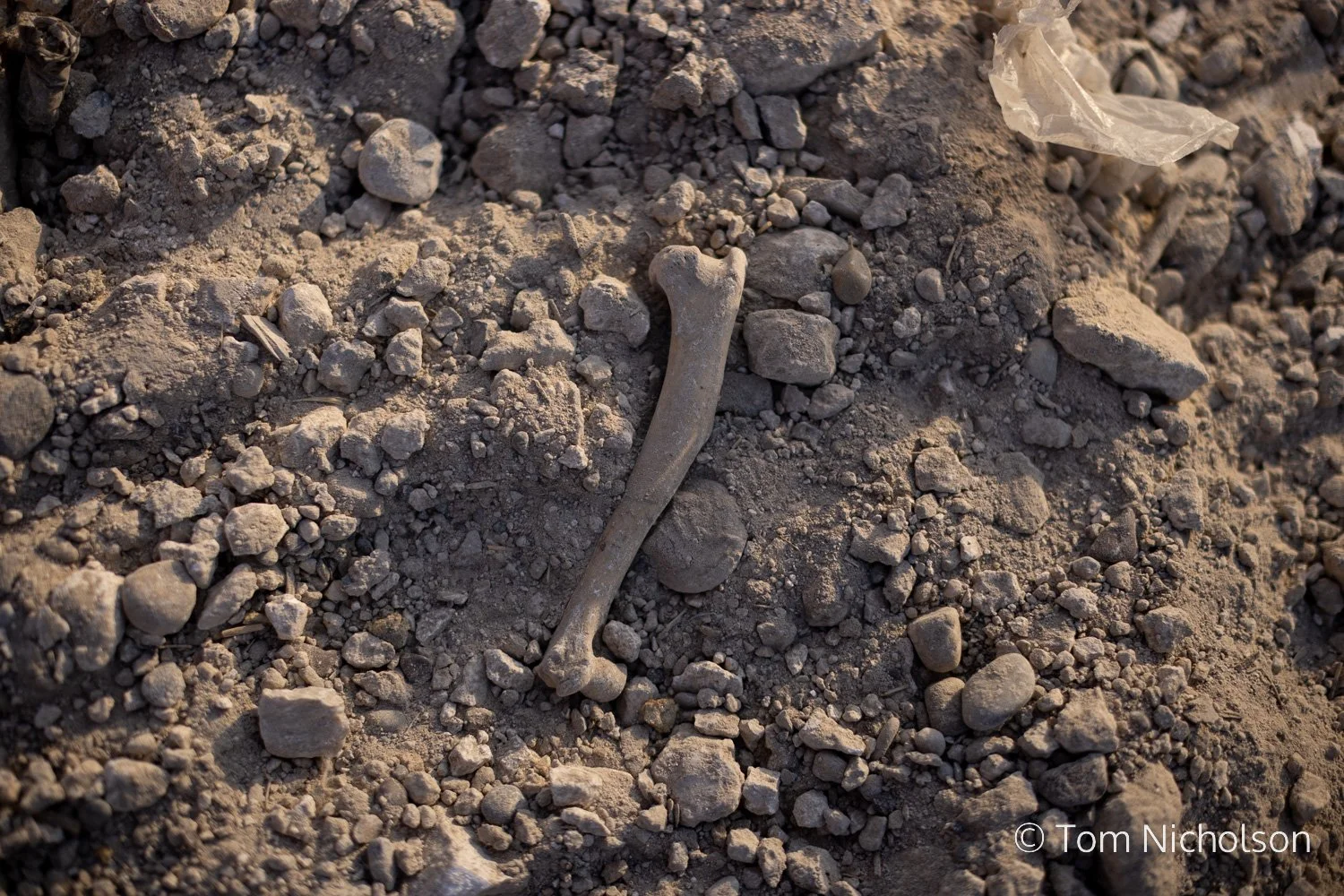
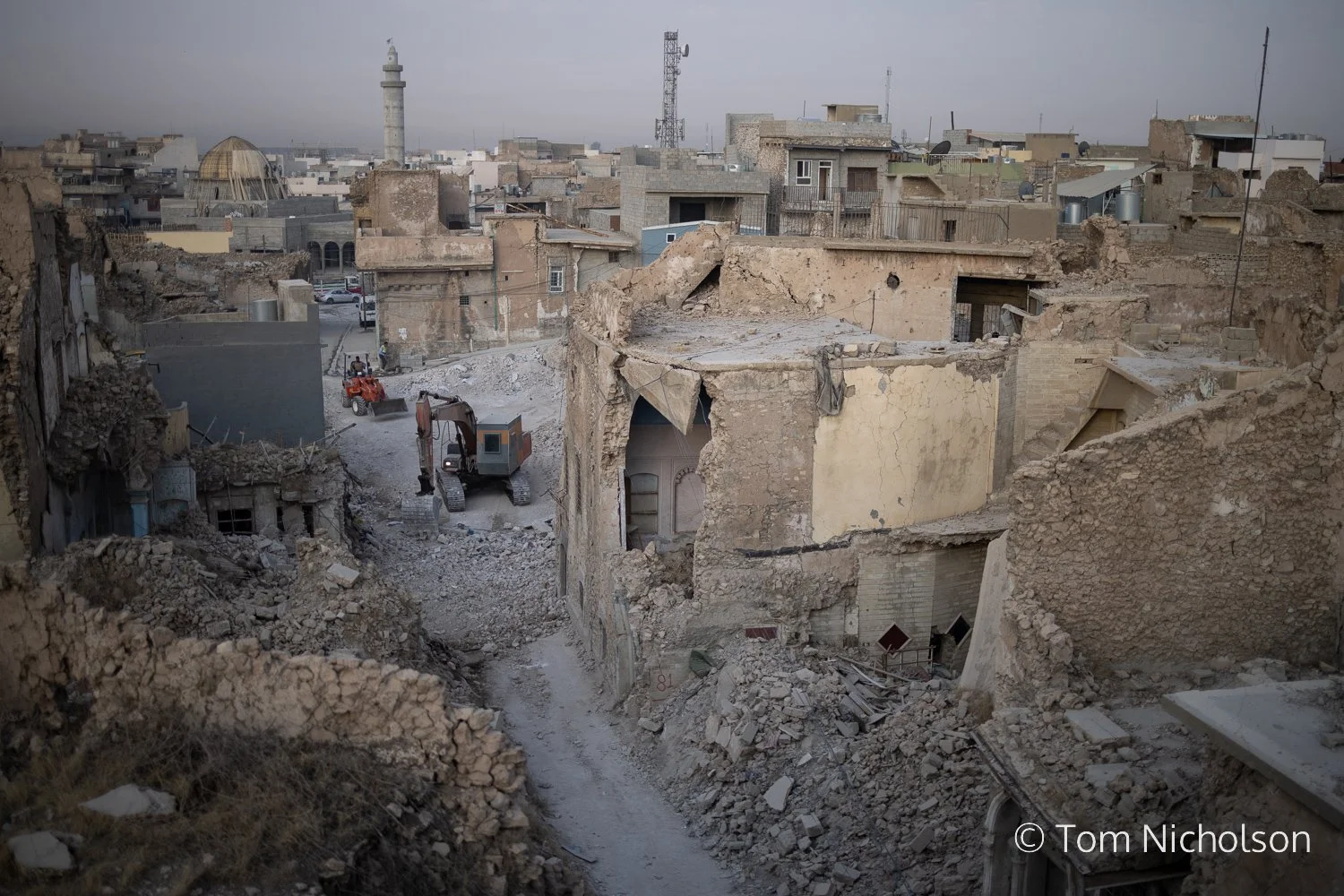
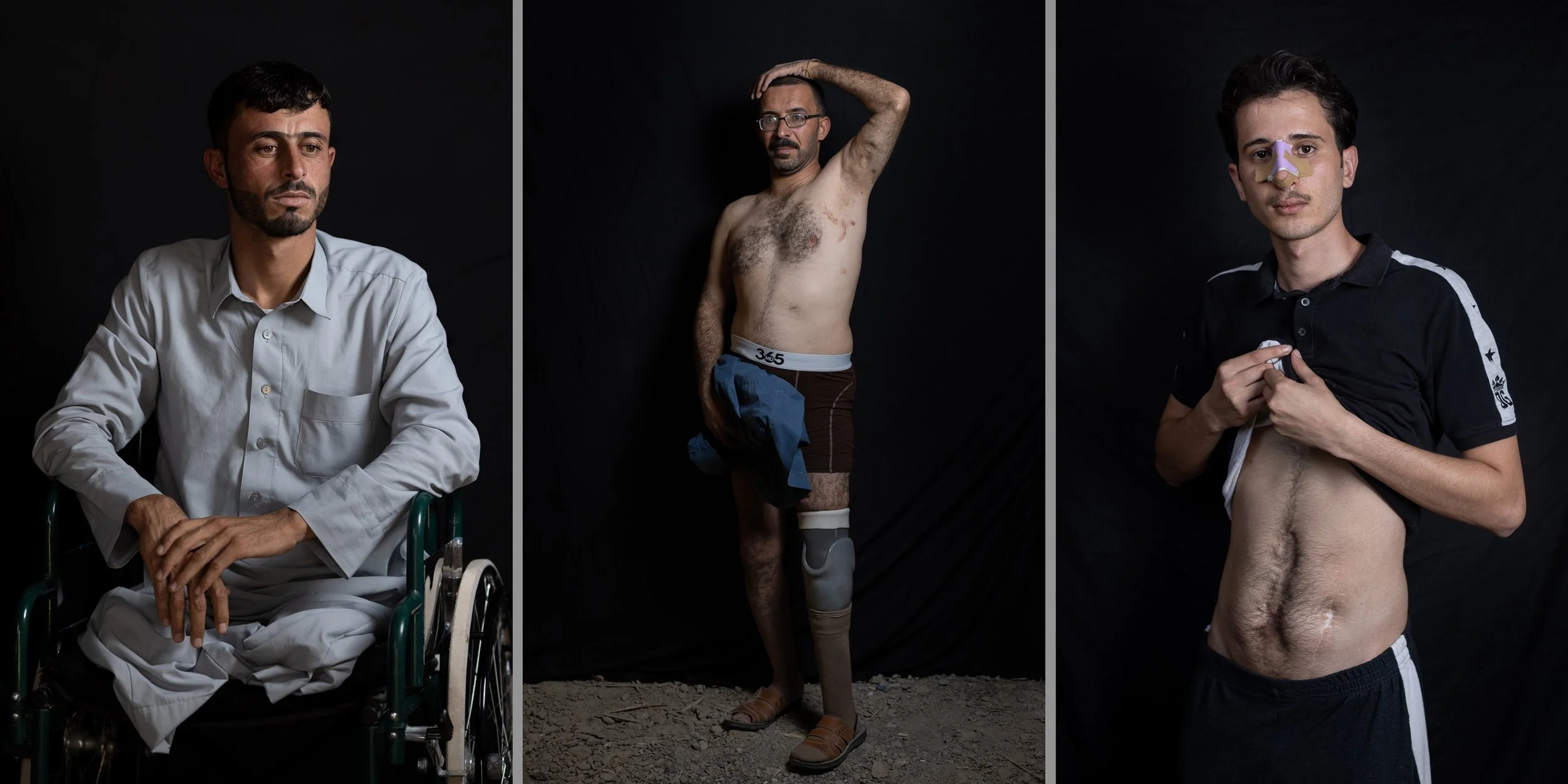
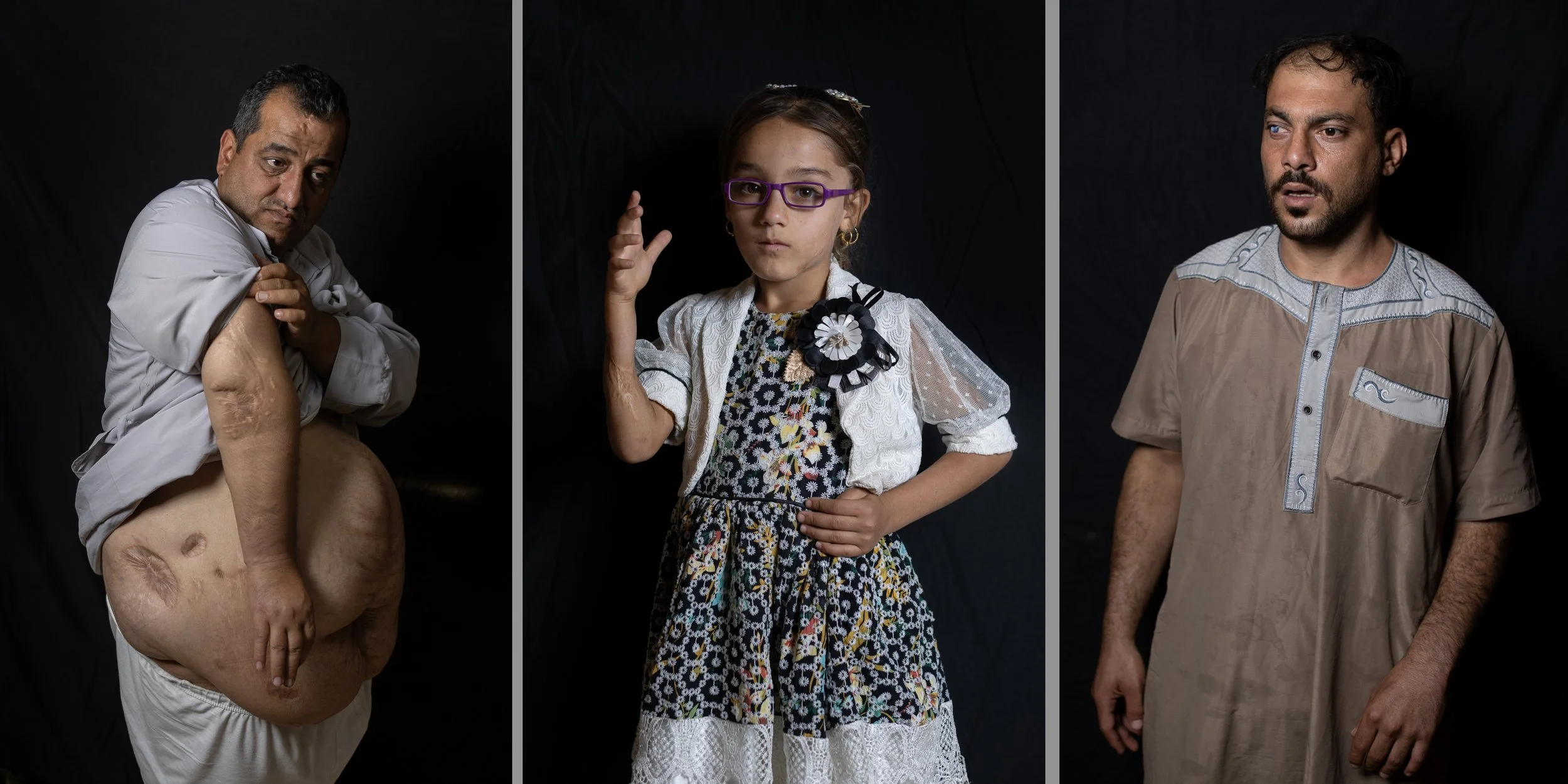
Mosul was one of the last strongholds of the so-called Islamic State. By mid 2017, Islamic State supporters had been encircled by Iraqi security services and coalition forces in the old city. The resulting heavy aerial bombardment, street to street battles, and the use of improvised explosive devices (IEDs) in built-up urban areas was well-documented at the time, but for those living and returning to the city today, the long term impact of the war still lives on.
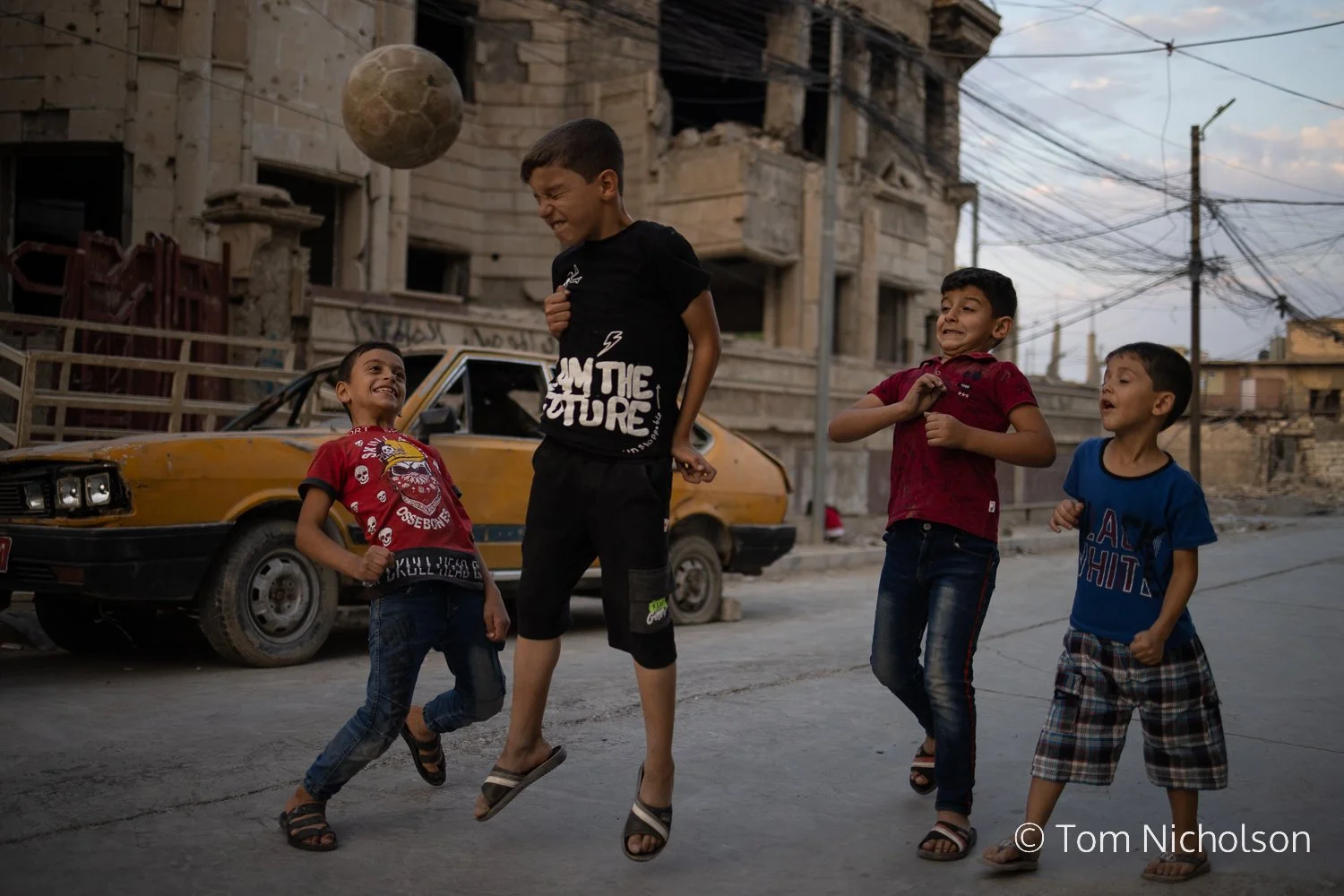
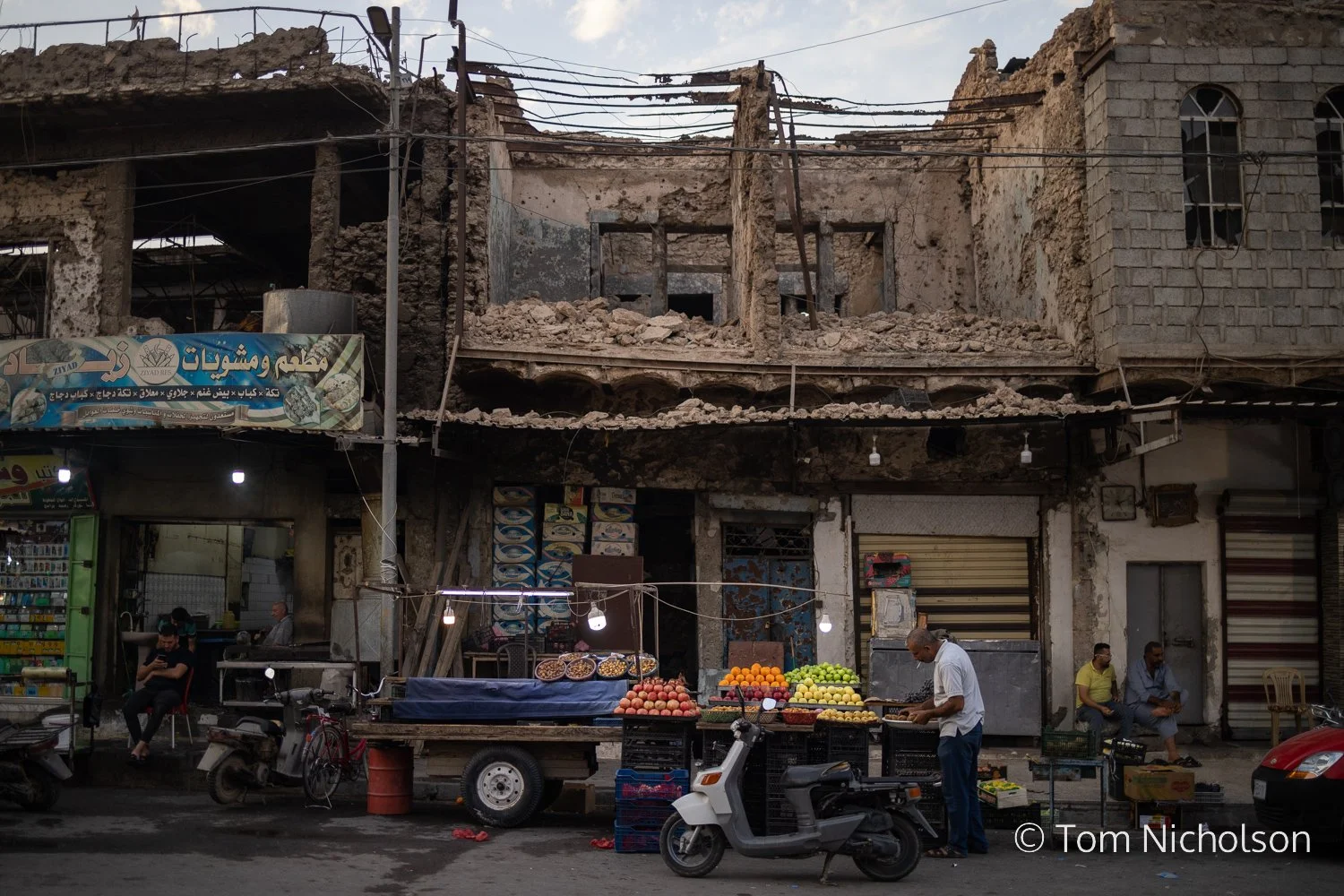
In some areas of this ancient city, life has returned to a sense of normality. Homes, shops and offices have been rebuilt. As men joke around in the fish market, wolfing down kebabs at 7am, the old city lies metres away. Traders arrange their stalls at dusk, whilst people sit on plastic chairs, smoking and drinking sweet tea.
But five years after the liberation of Iraq’s second largest city from Islamic State, there are still significant areas of the city that are yet to recover.
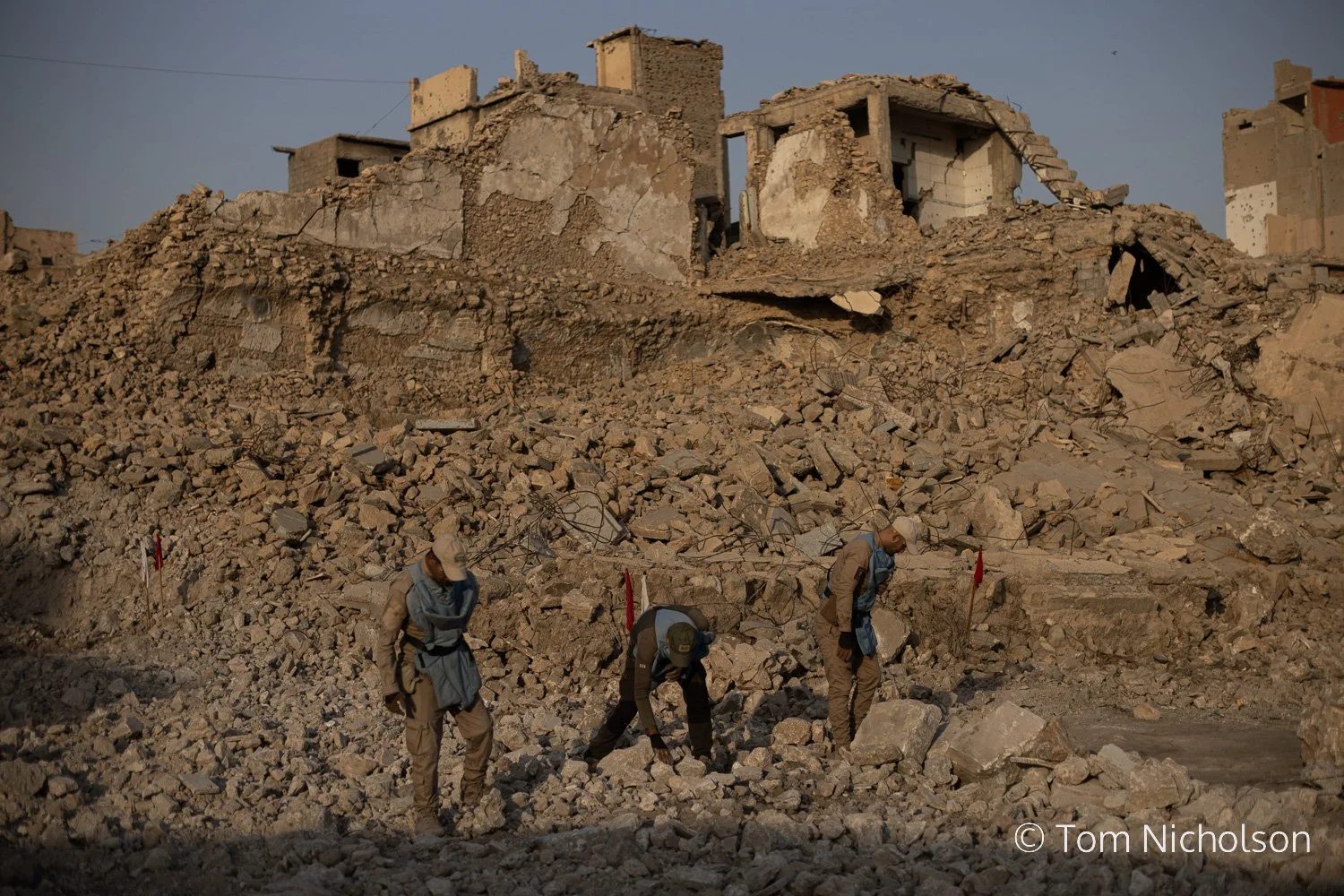
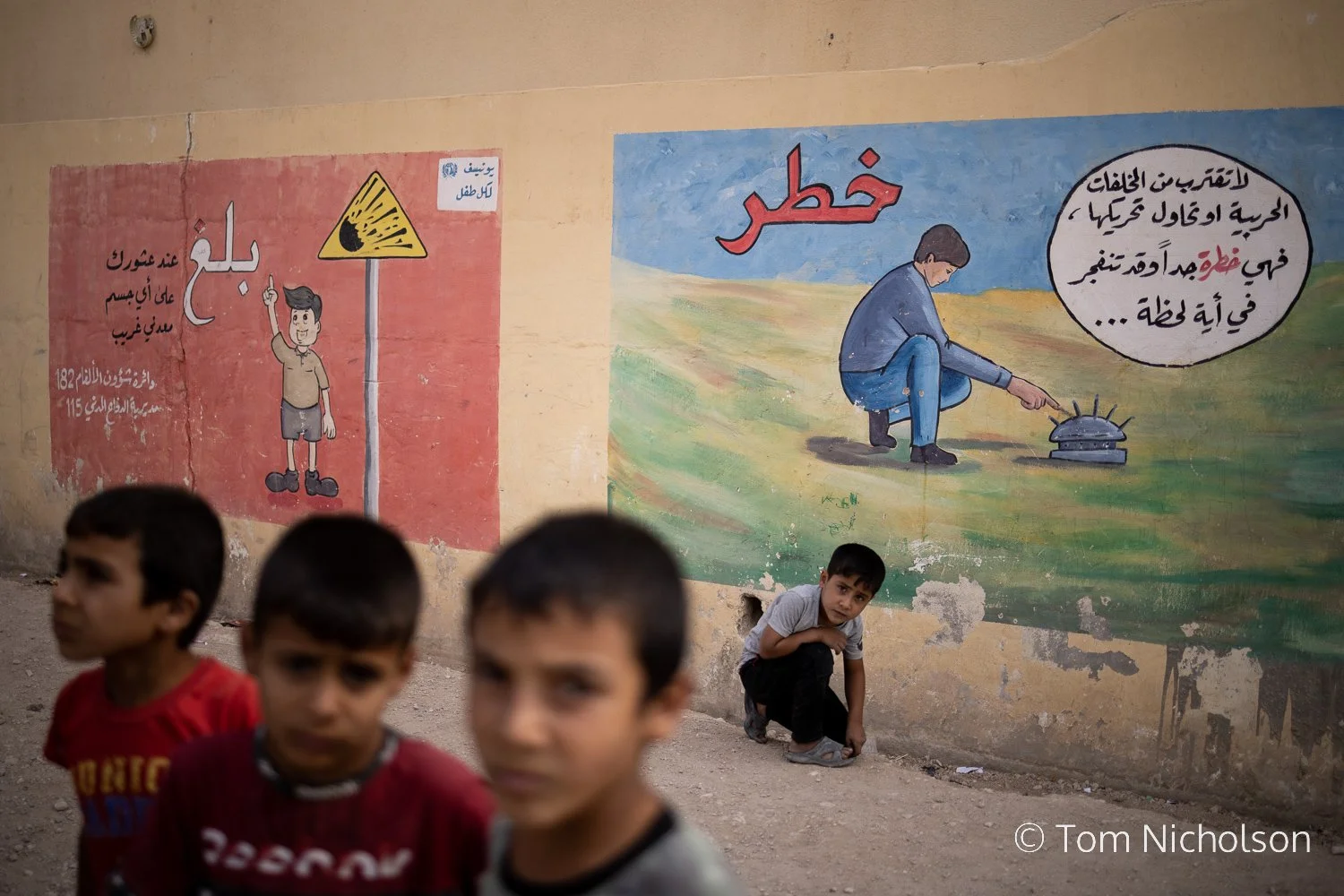
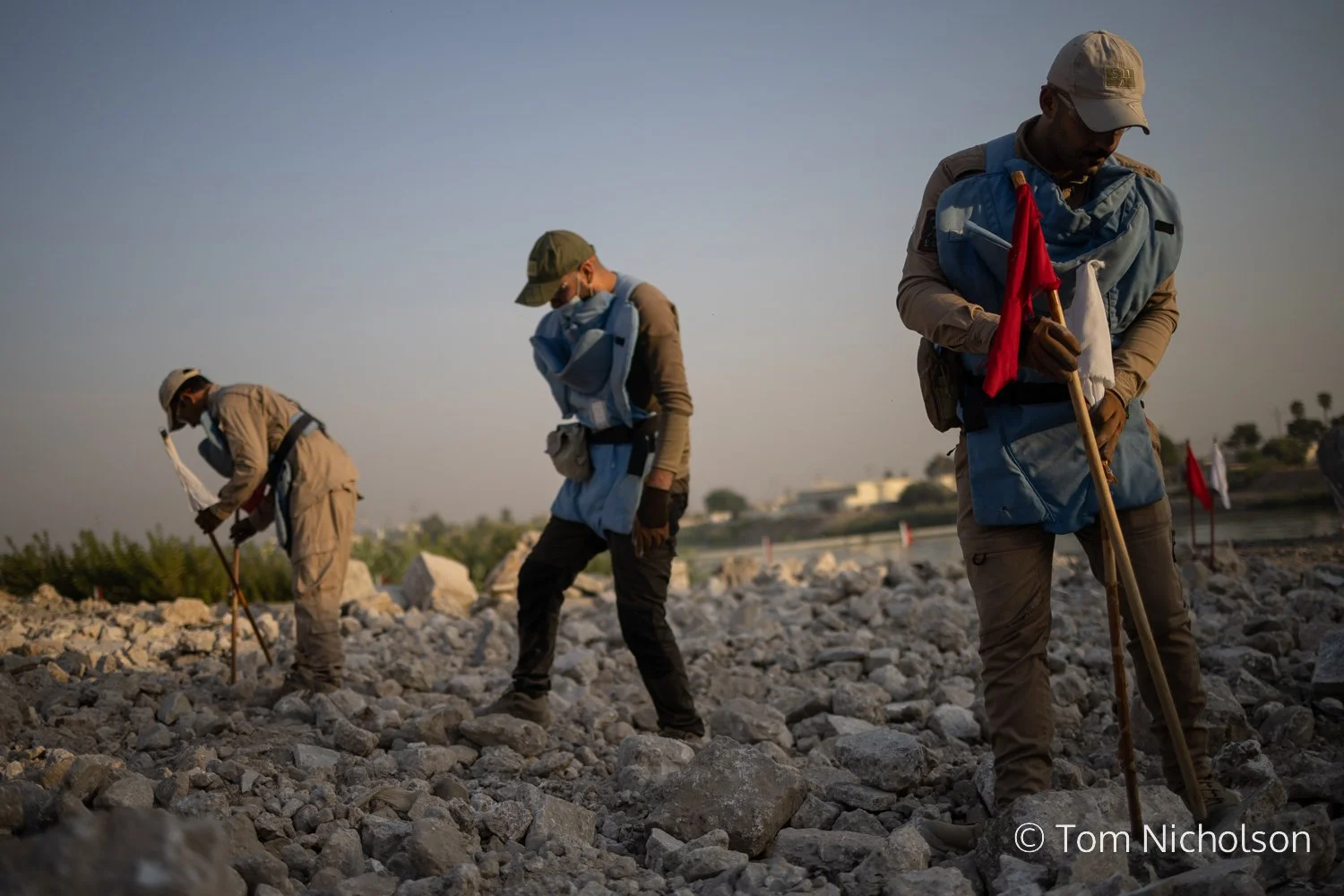
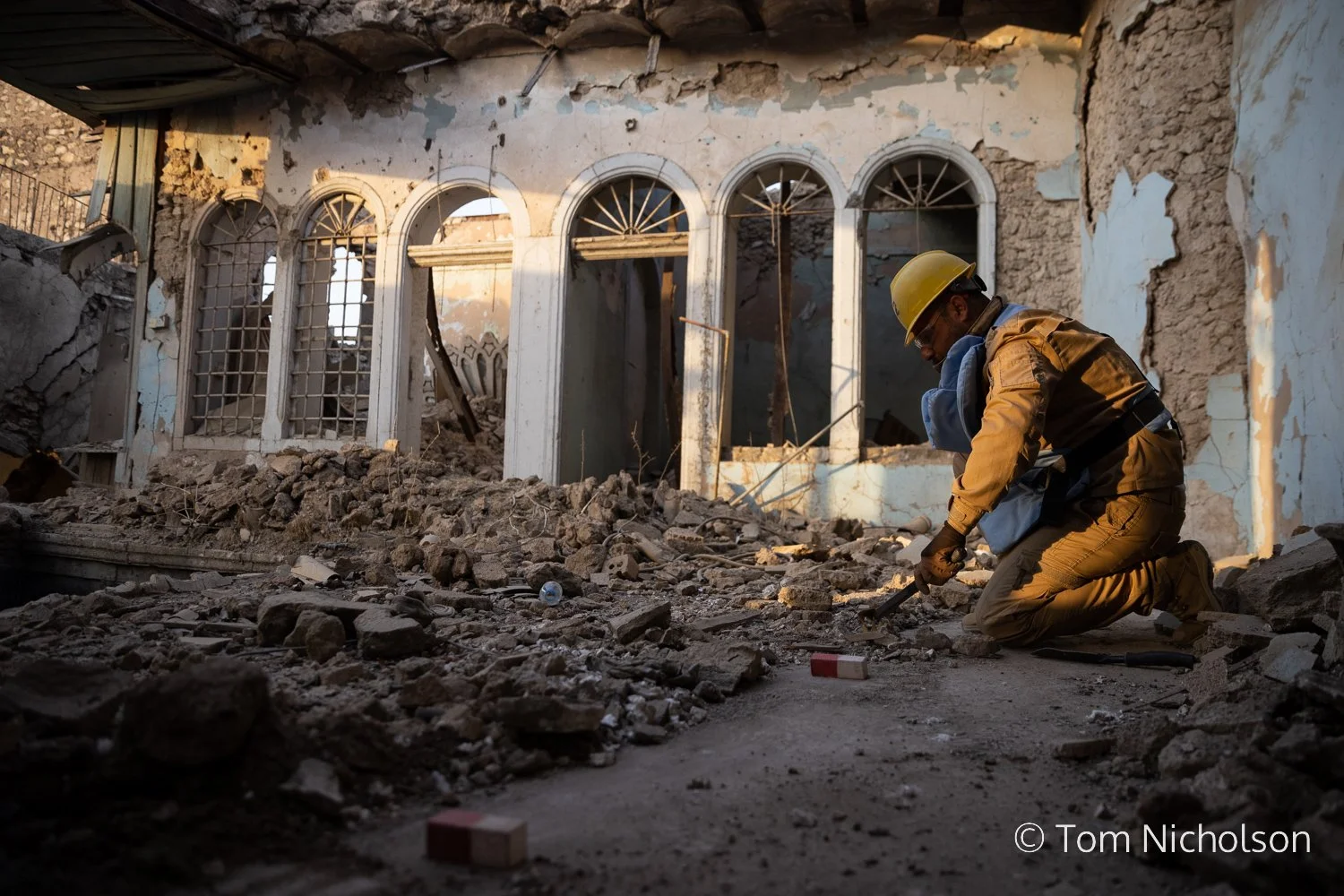
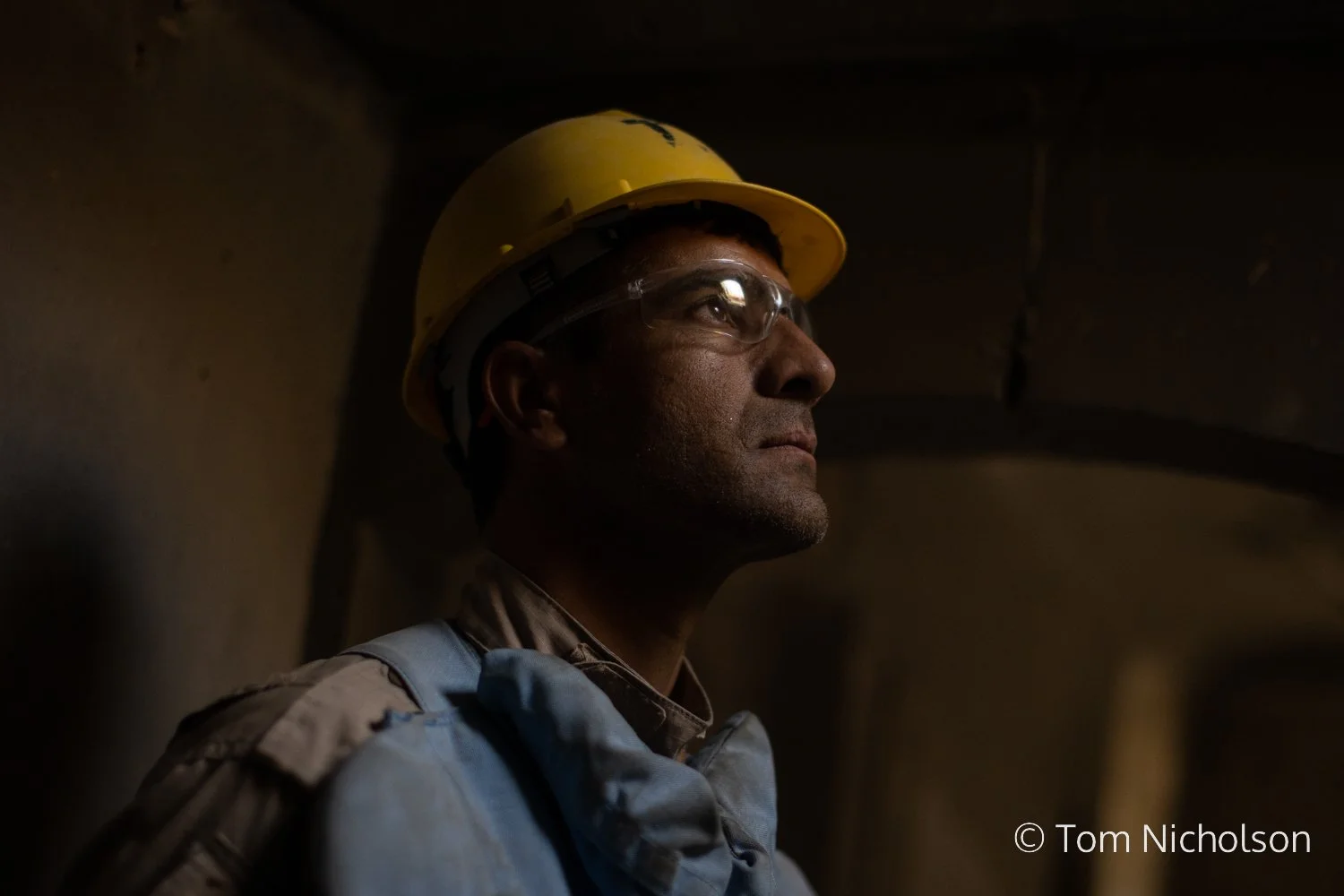
Large areas on the west bank of the Tigris are still under a silent siege, gripped by the presence of explosive remnants of war (ERW) and landmines. Dusty tracks carve through mountains of rubble, graffitied with safety reminders. At sunrise demining teams arrive to begin another day of painstakingly scraping through the rubble by hand with small trowels. The rattling of an armoured excavator cuts through the dawn chorus of dogs, howling at the ruins.
Writing and photographs published by The Times. Click here for full story.