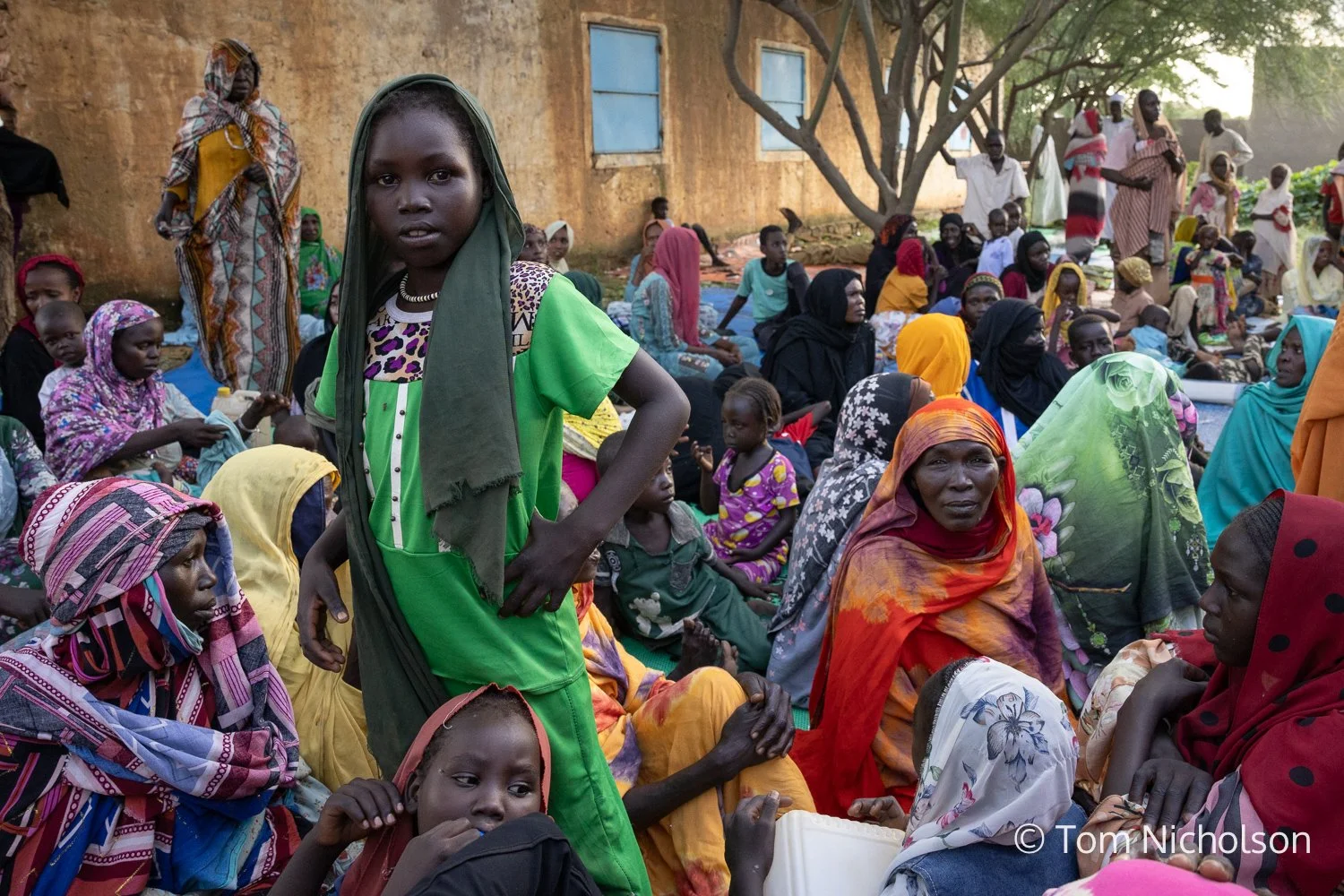
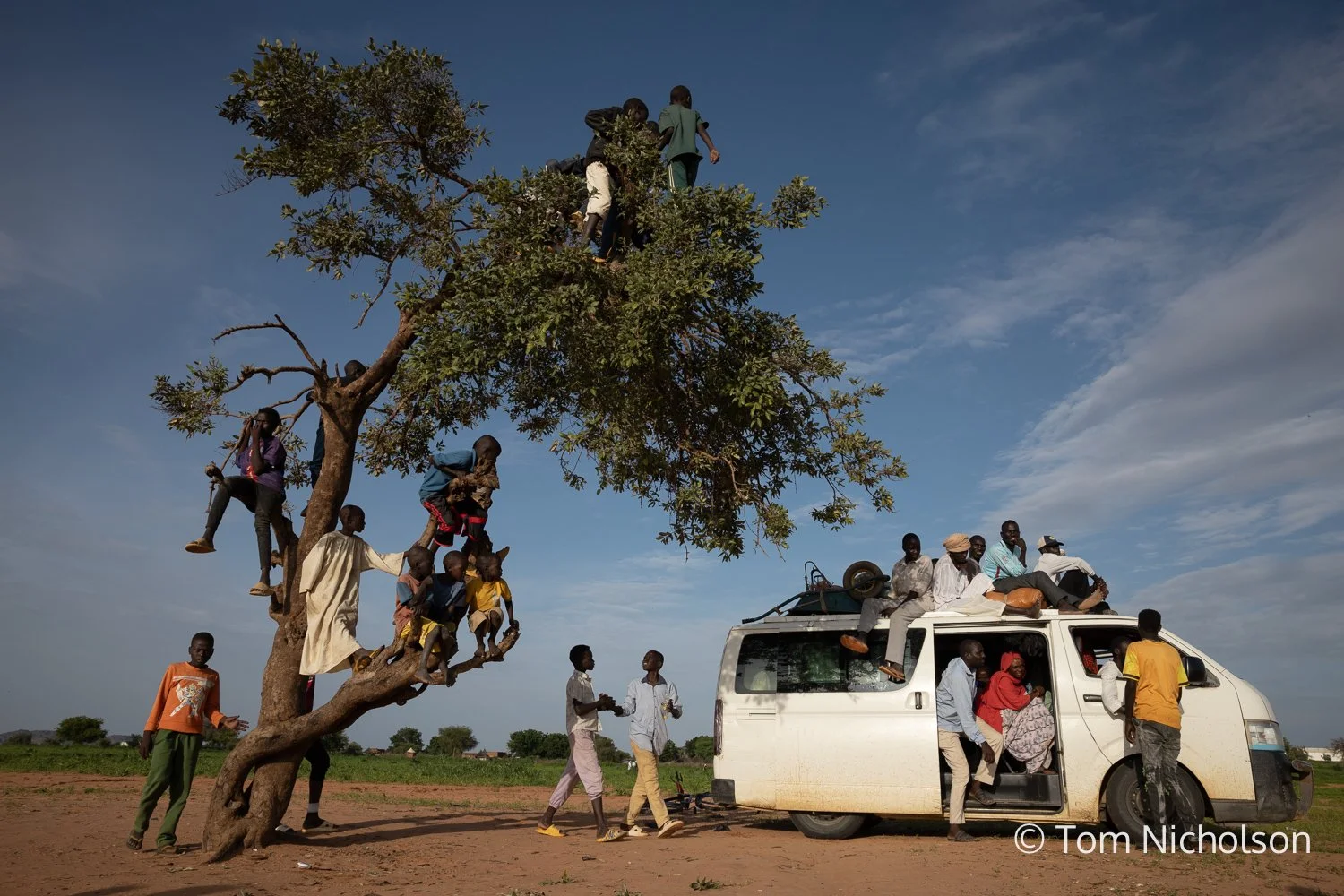
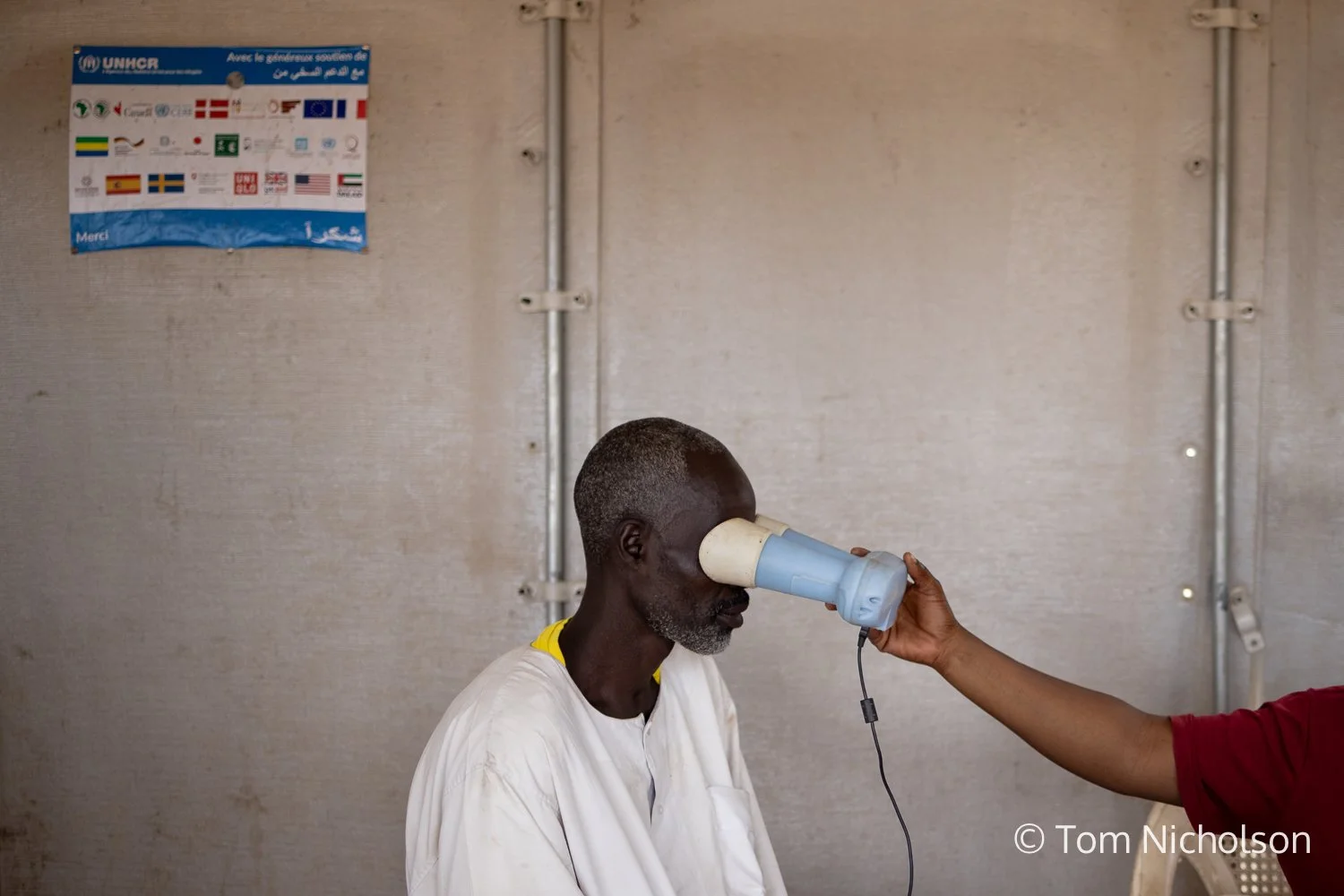
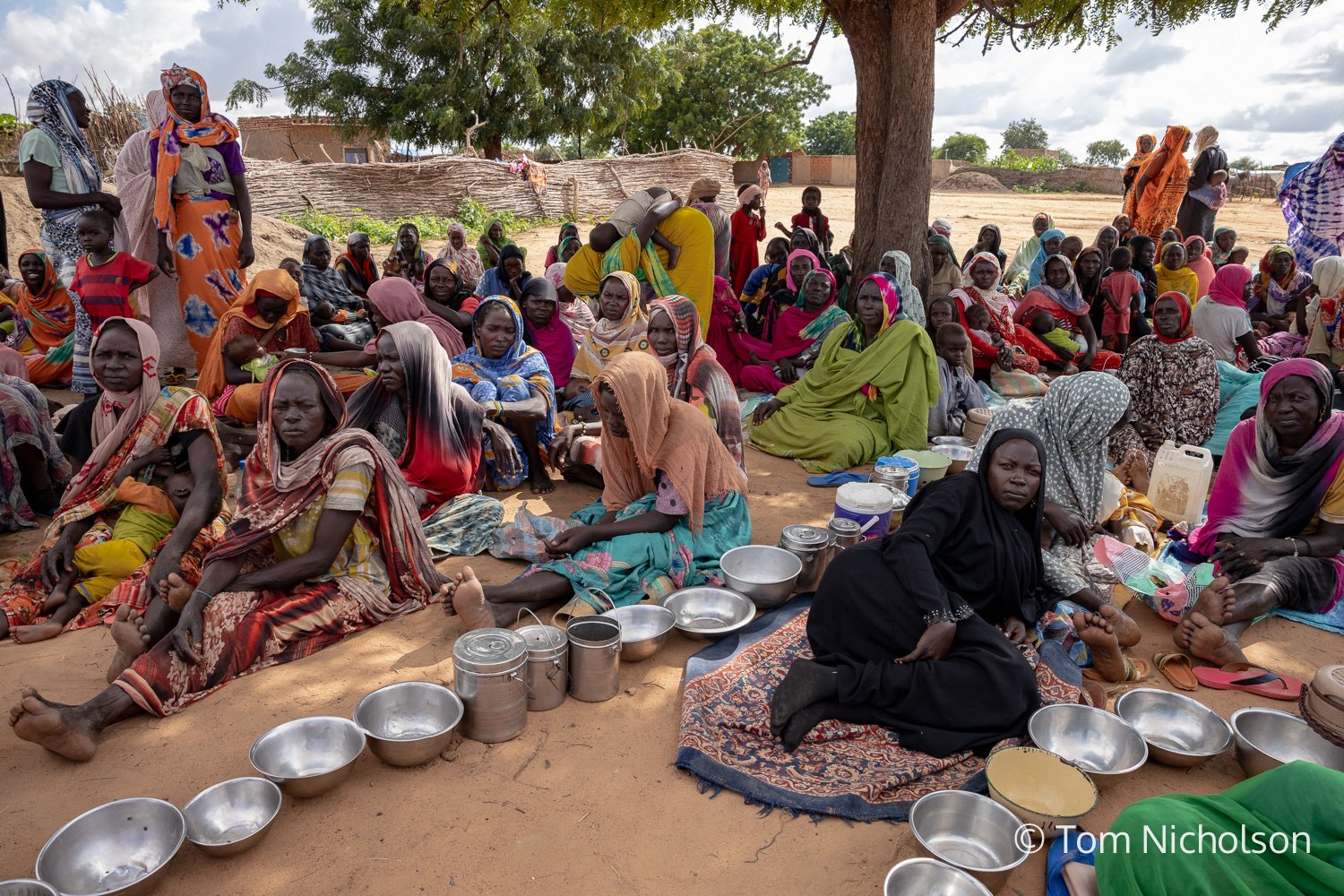
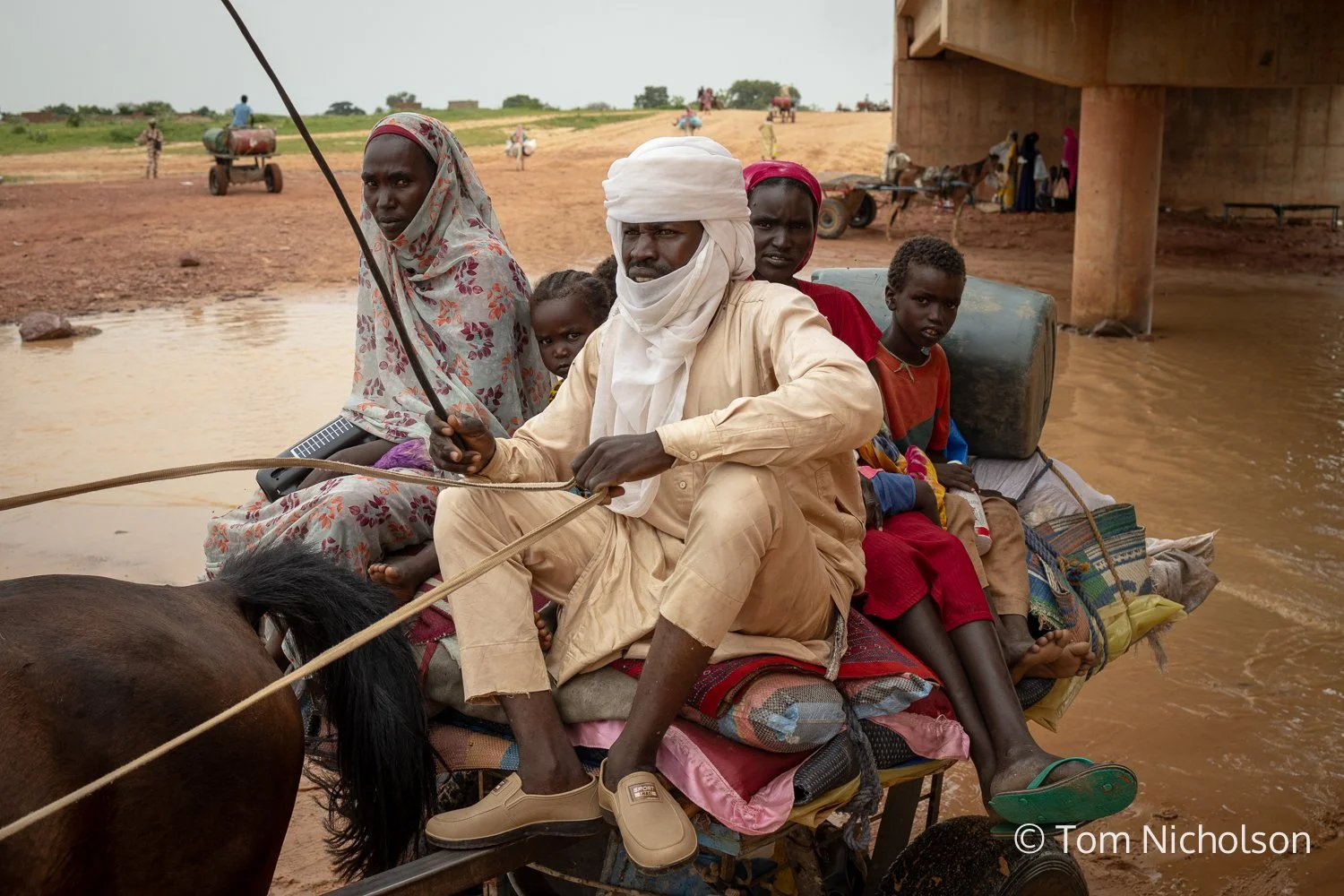
Following a power struggle between the paramilitary Rapid Support Forces (RSF) and the government-backed Sudanese Armed Forces (SAF), Darfur is experiencing the largest displacement crisis in the world. Since the start of the conflict on 15 April 2023, more than 640,000 people have crossed the Sudanese border into Chad, 89% of whom are women and children.
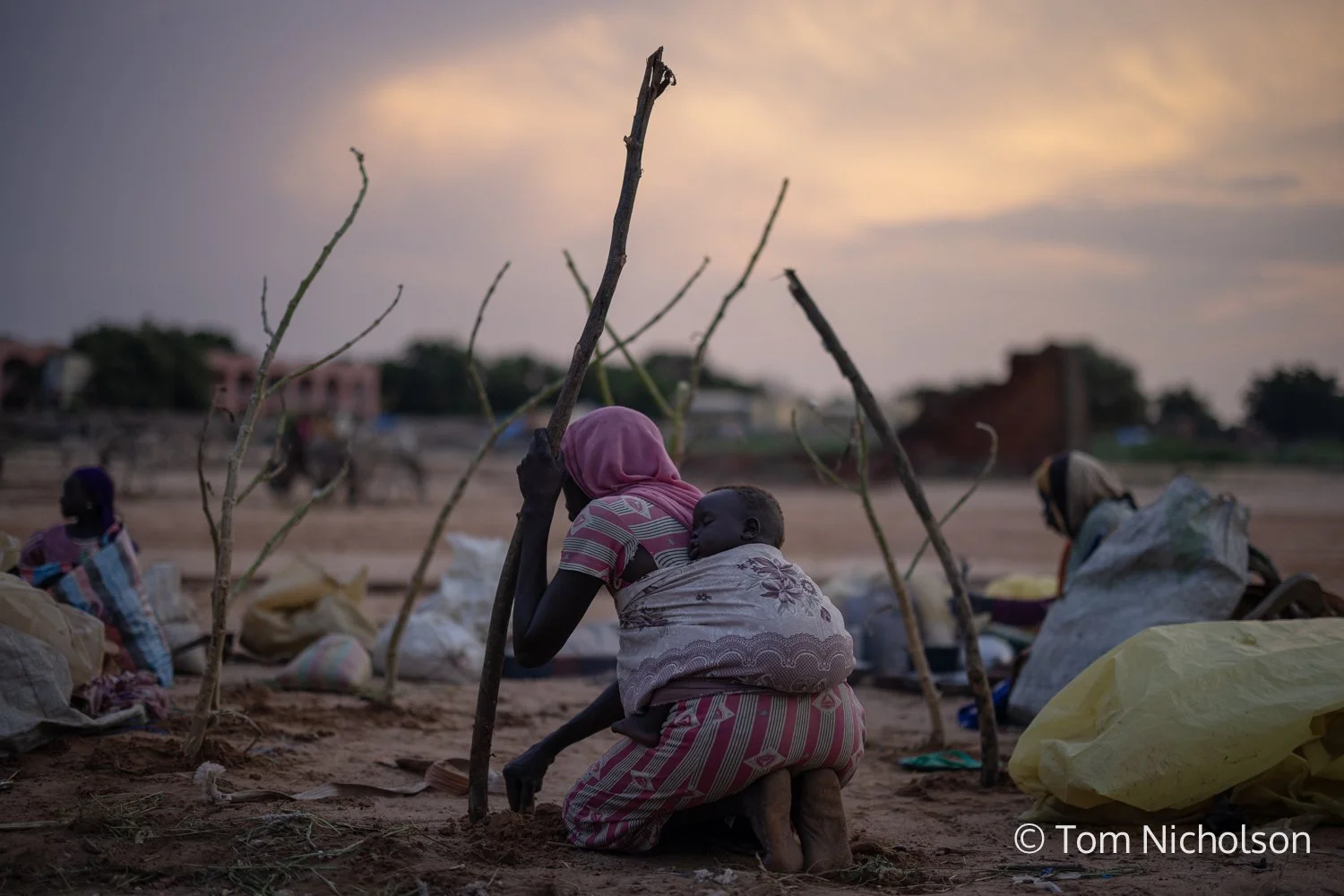
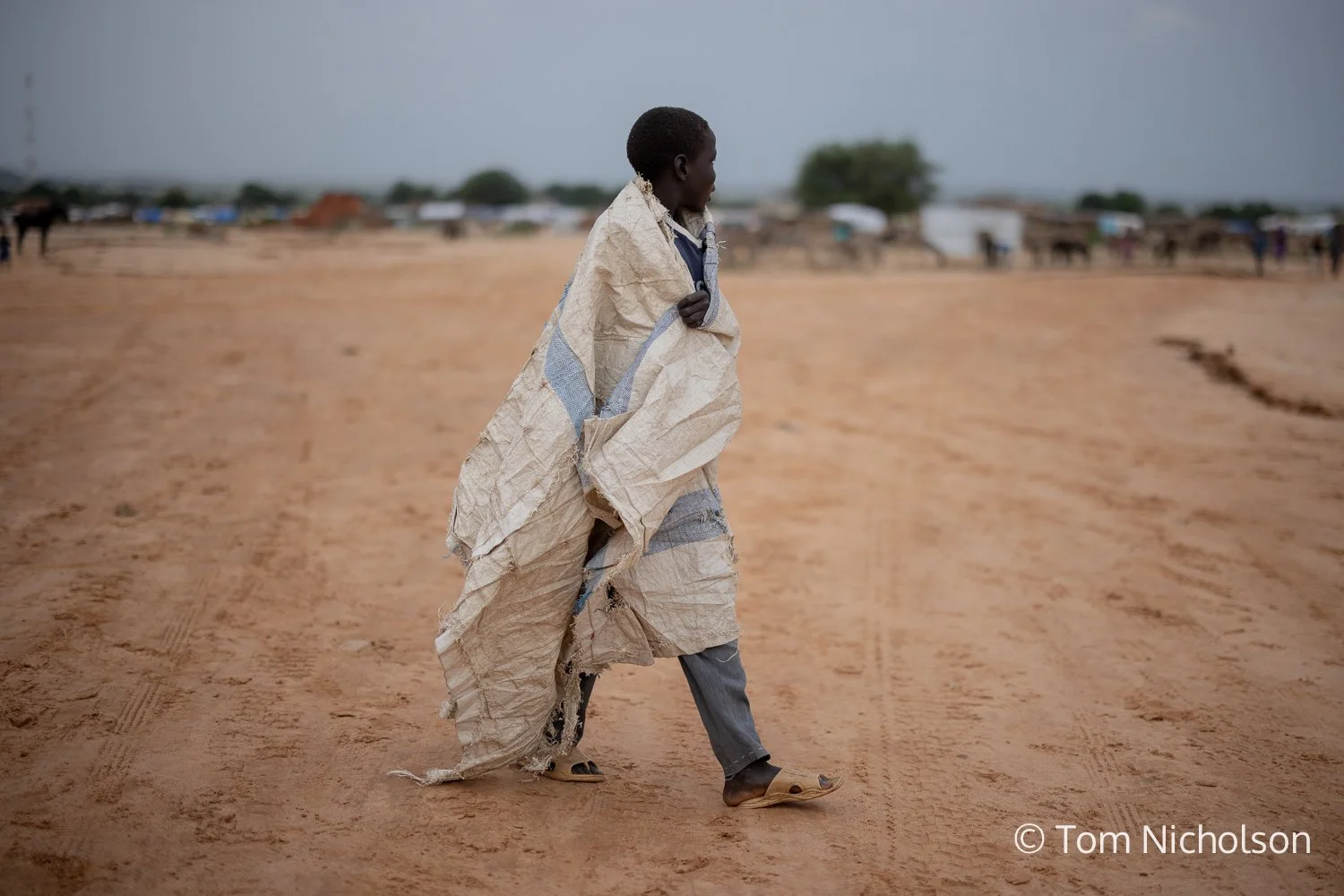
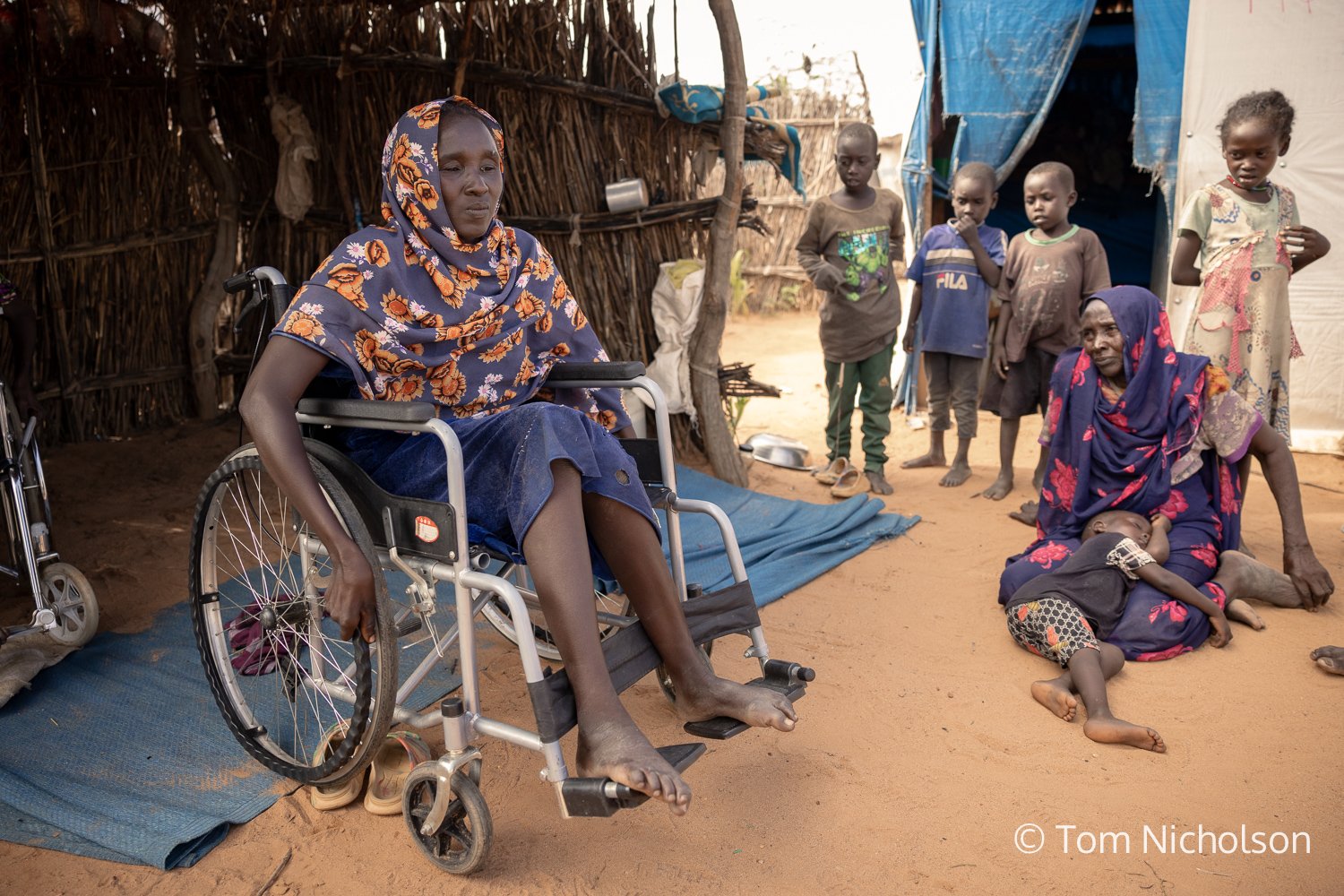
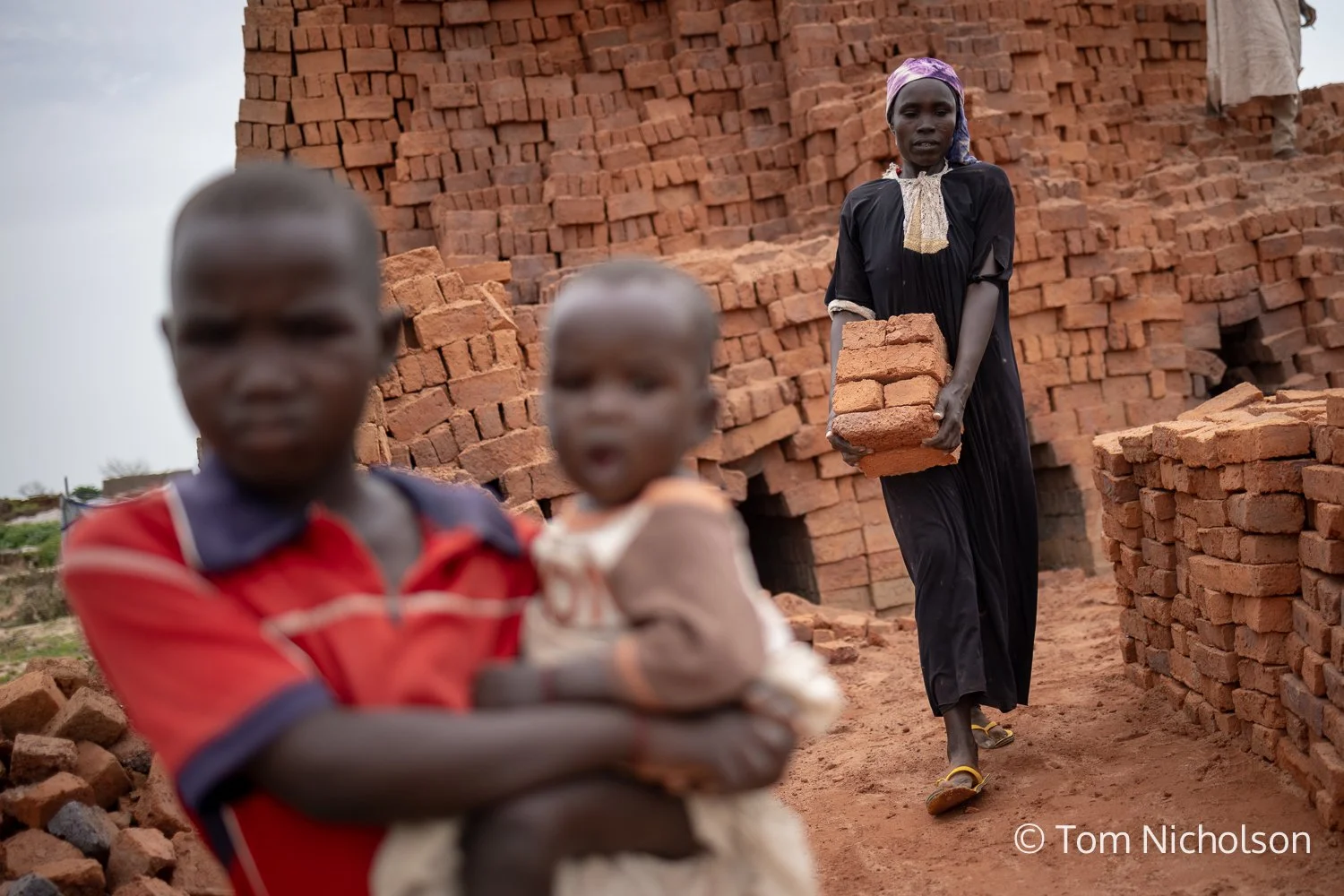
After crossing the border and arriving in towns like Adré, refugees start their new lives in temporary, unofficial camps, salvaging sticks and plastic sheets for shelter. They face limited access to food, and little to no chance of finding work. Overcrowding, deteriorating sanitary conditions, and security concerns hinder the speed that people can be processed and moved to longer-term accommodation.
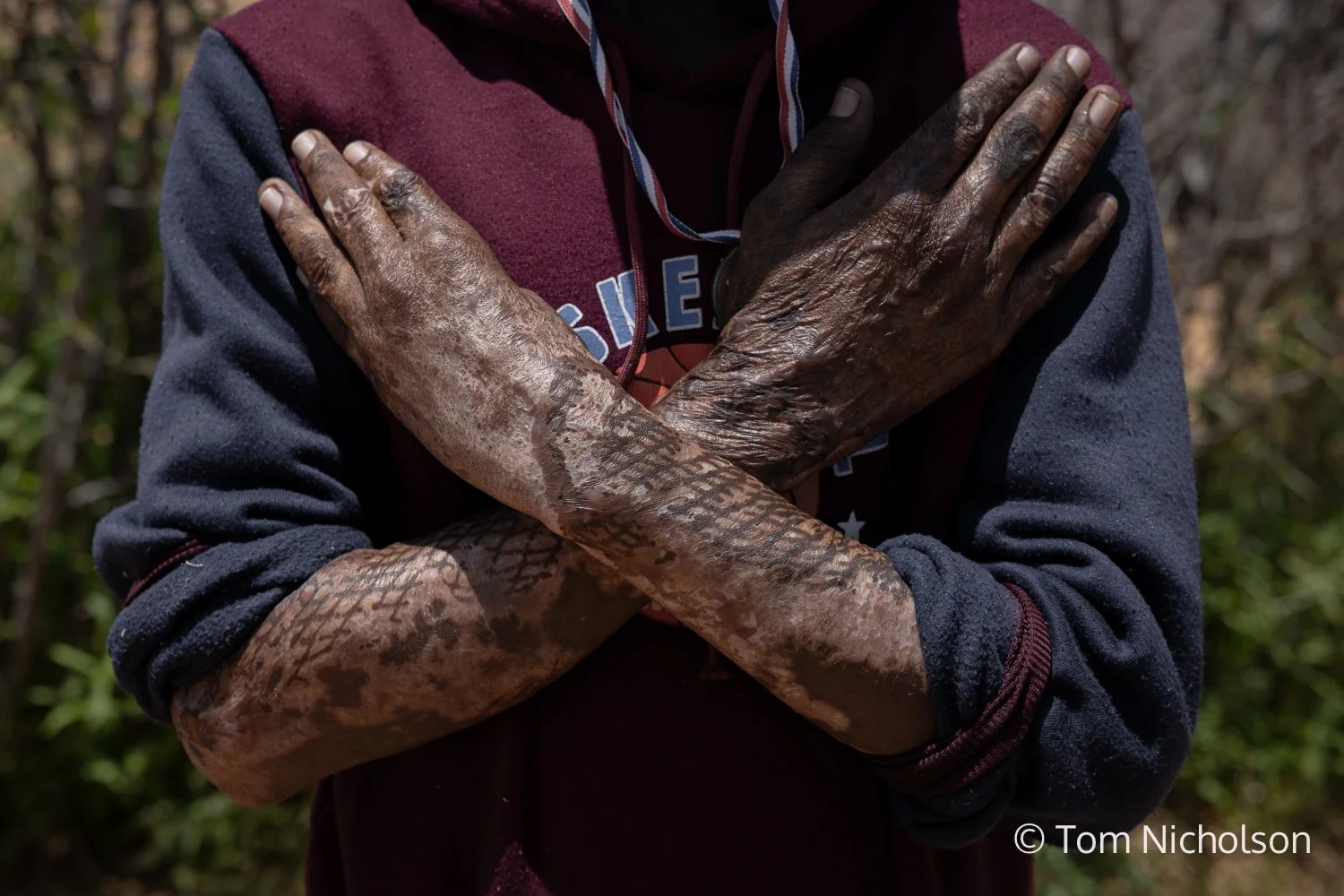
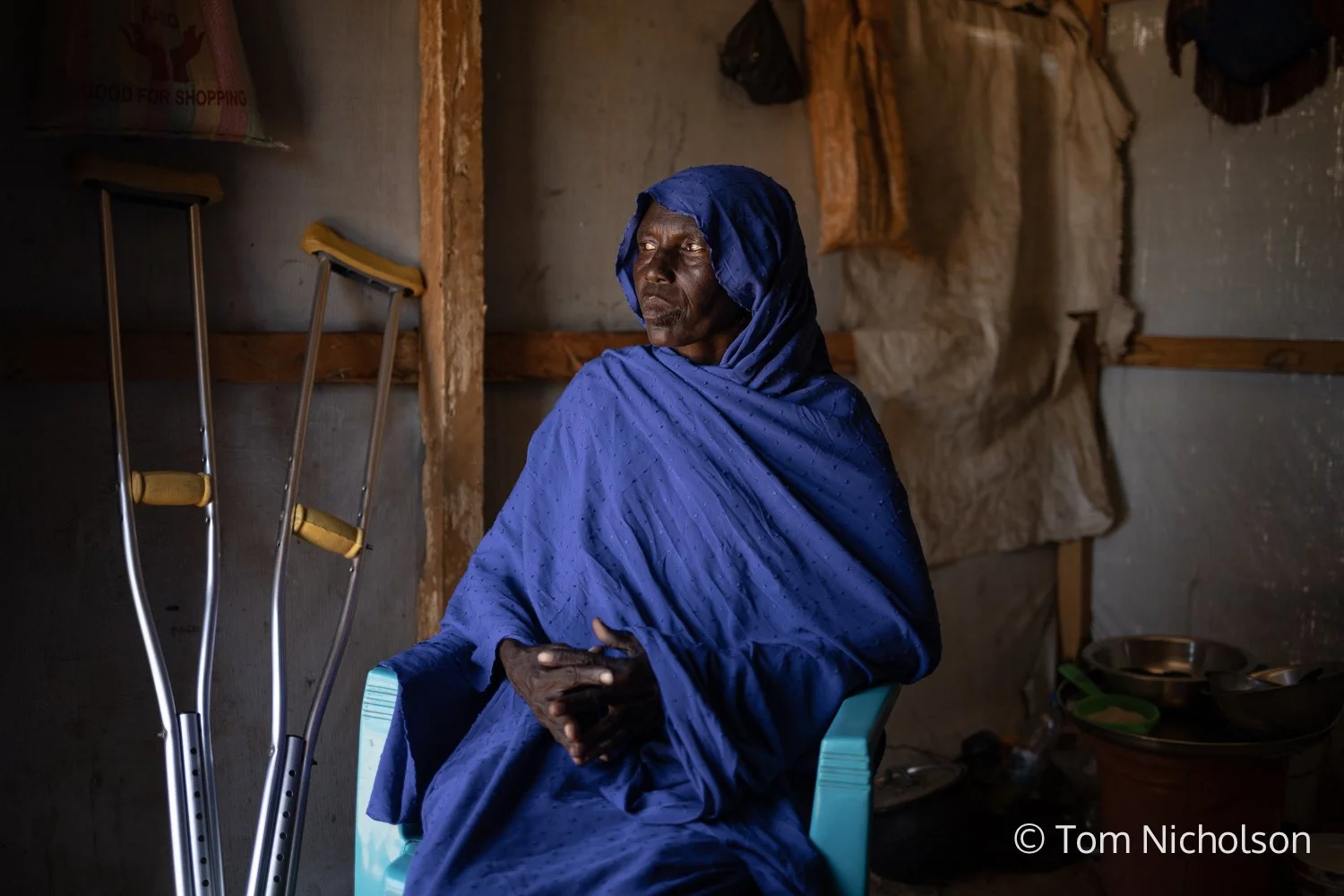
Those who have escaped conflict arrive with physical injuries as well as psychological trauma, the victims of widespread indiscriminate violence against civilians.
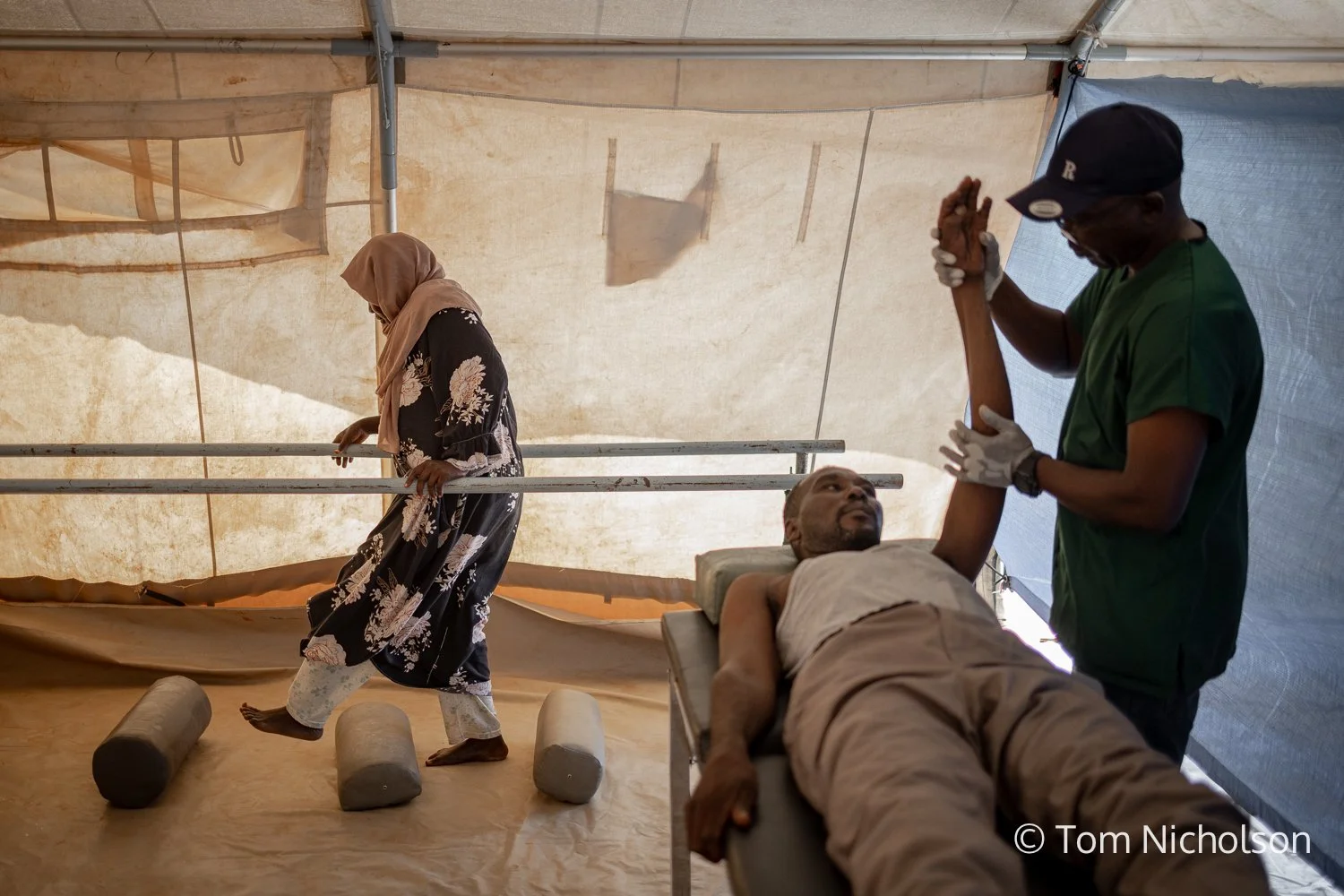
The most severely wounded are given urgent treatment in the Médecins Sans Frontières (MSF - Doctors Without Borders) field hospital, but aftercare is limited. Once discharged, patients urgently need prostheses, mobility aids, physiotherapy, and psychosocial support. They rely on the help of other NGOs such as Humanity & Inclusion, the only organisation providing physical rehabilitation in east Chad.
Furthermore, the humanitarian response plan in Chad - led by the UN Refugee Agency UNHCR - is only 30% funded, leaving a shortfall of more than $438 million USD.
Writing and photographs published by The Telegraph.