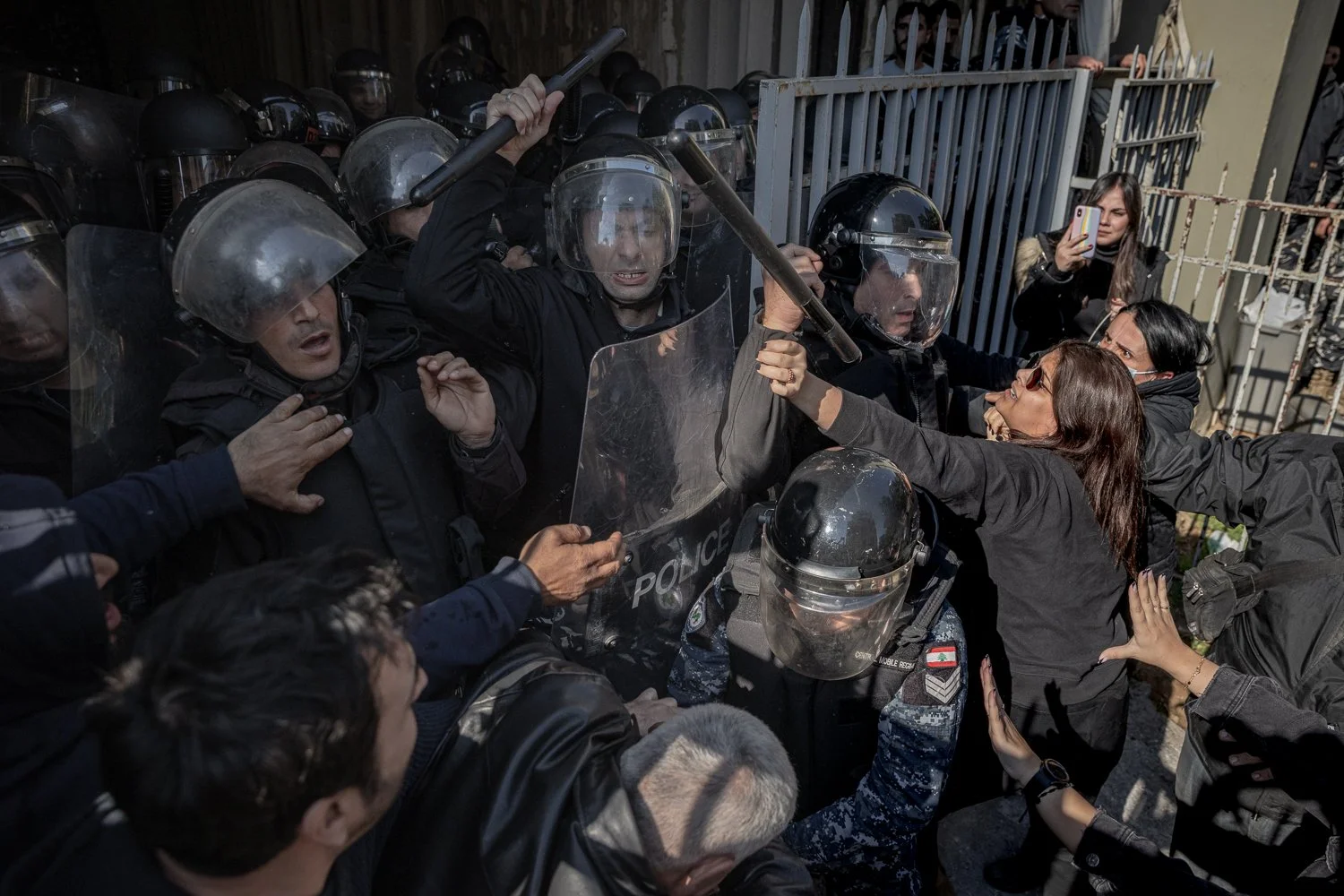
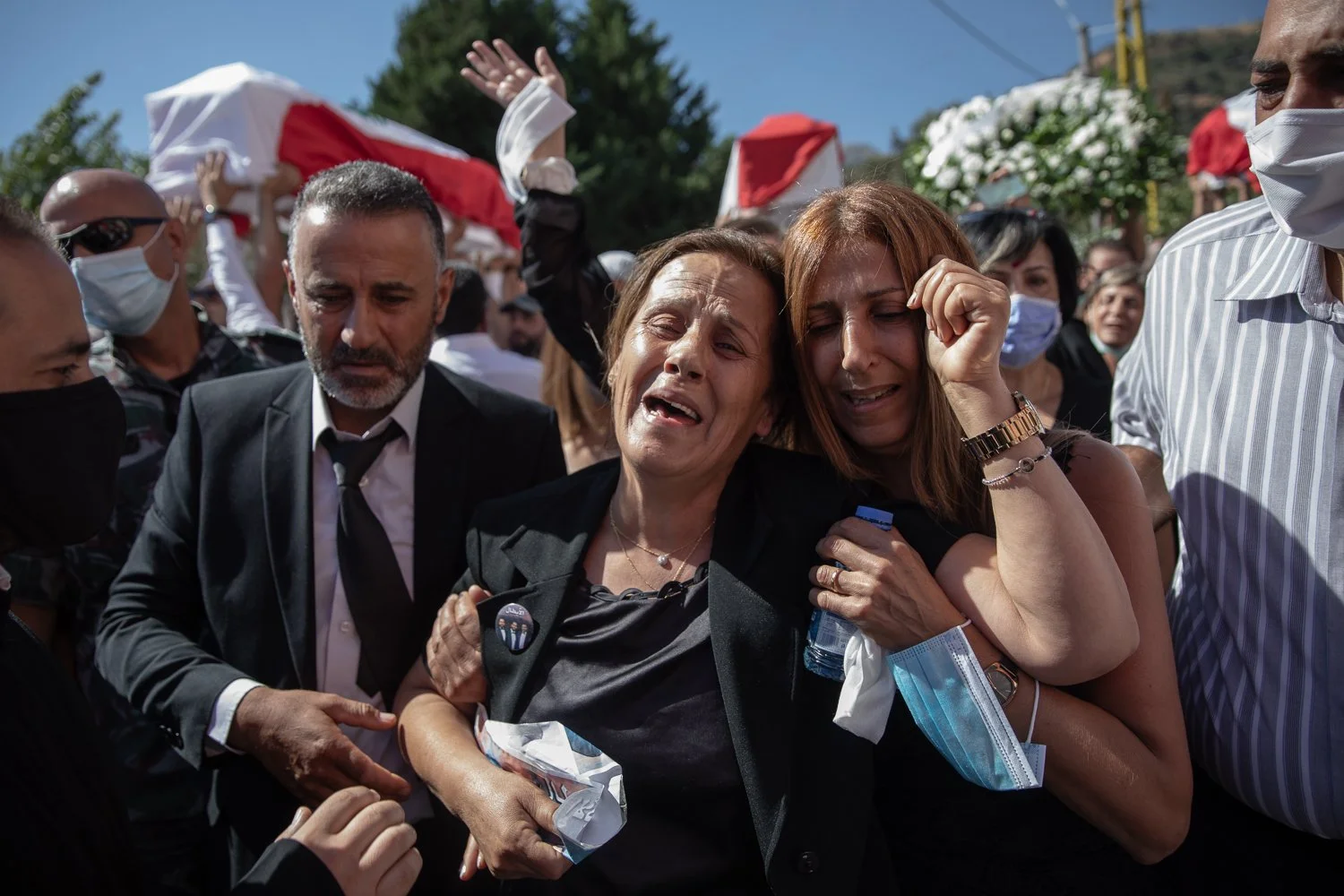
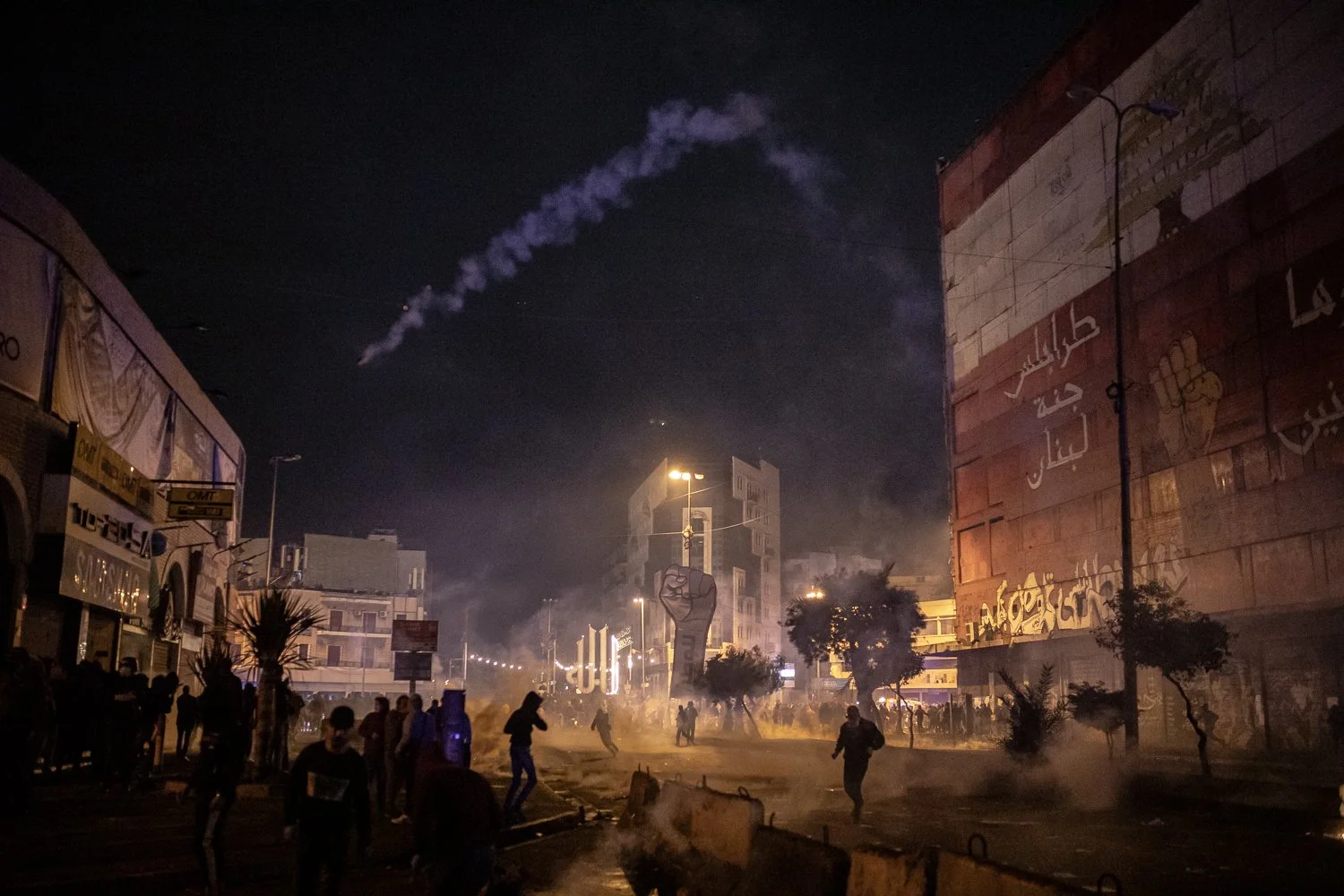
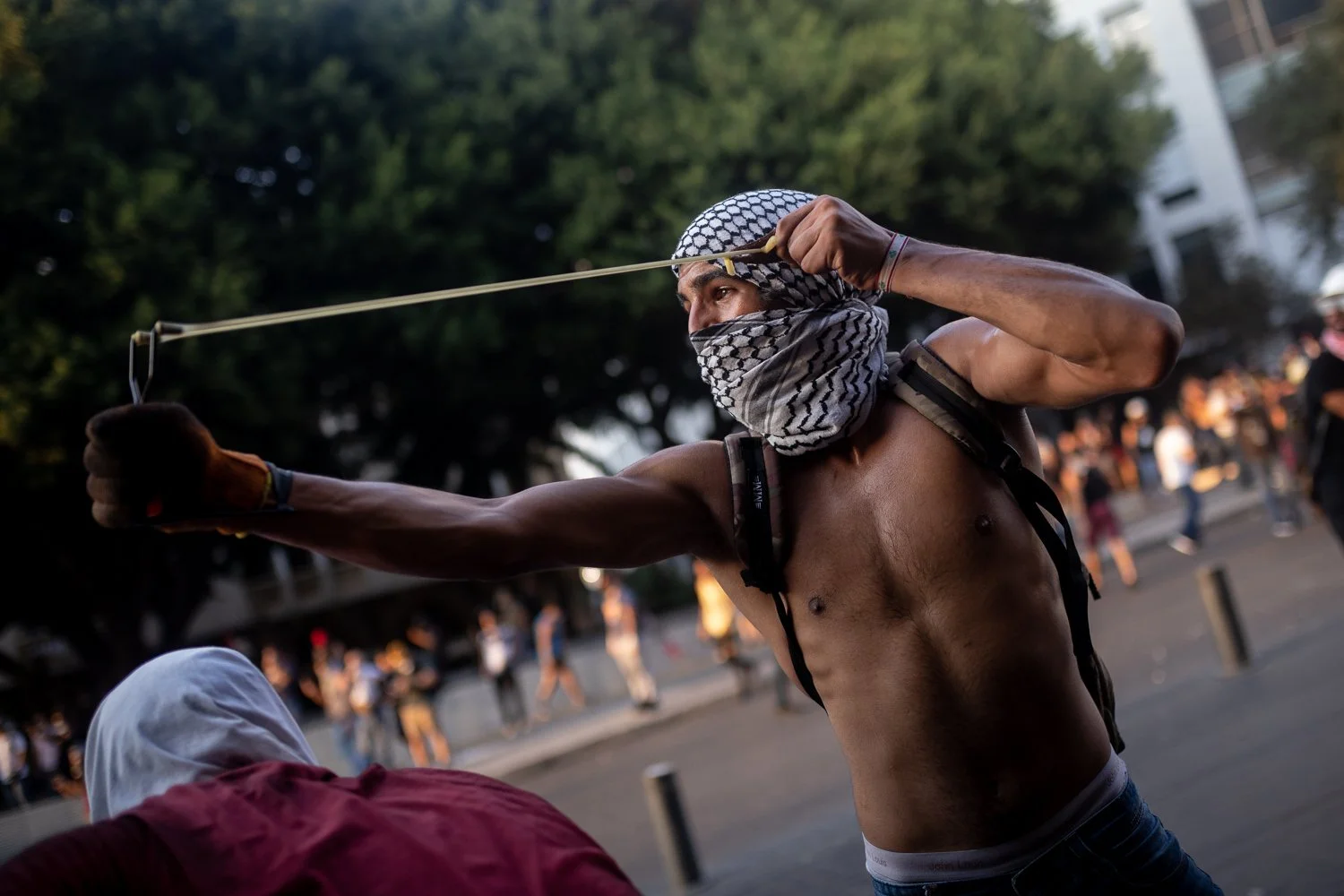
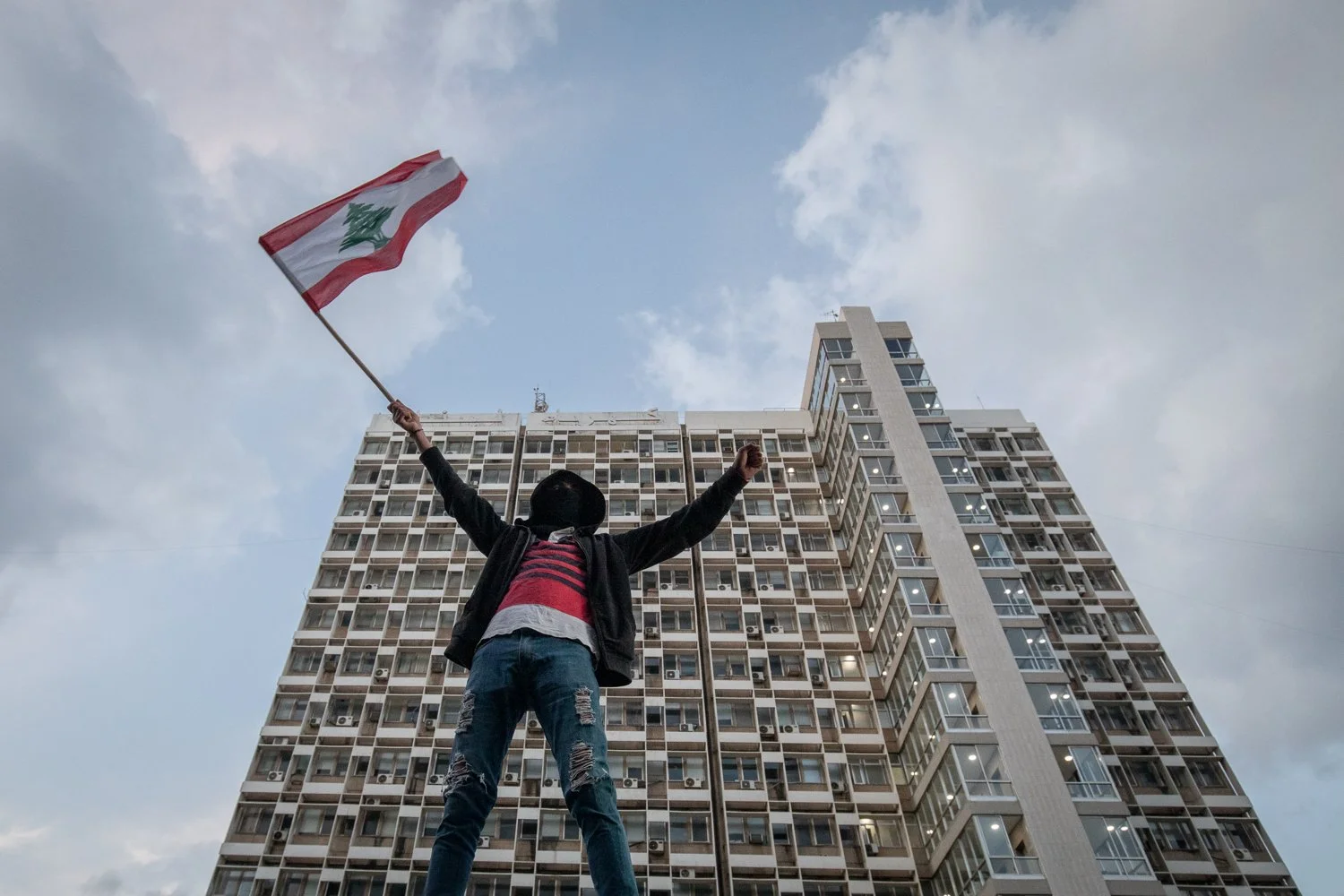
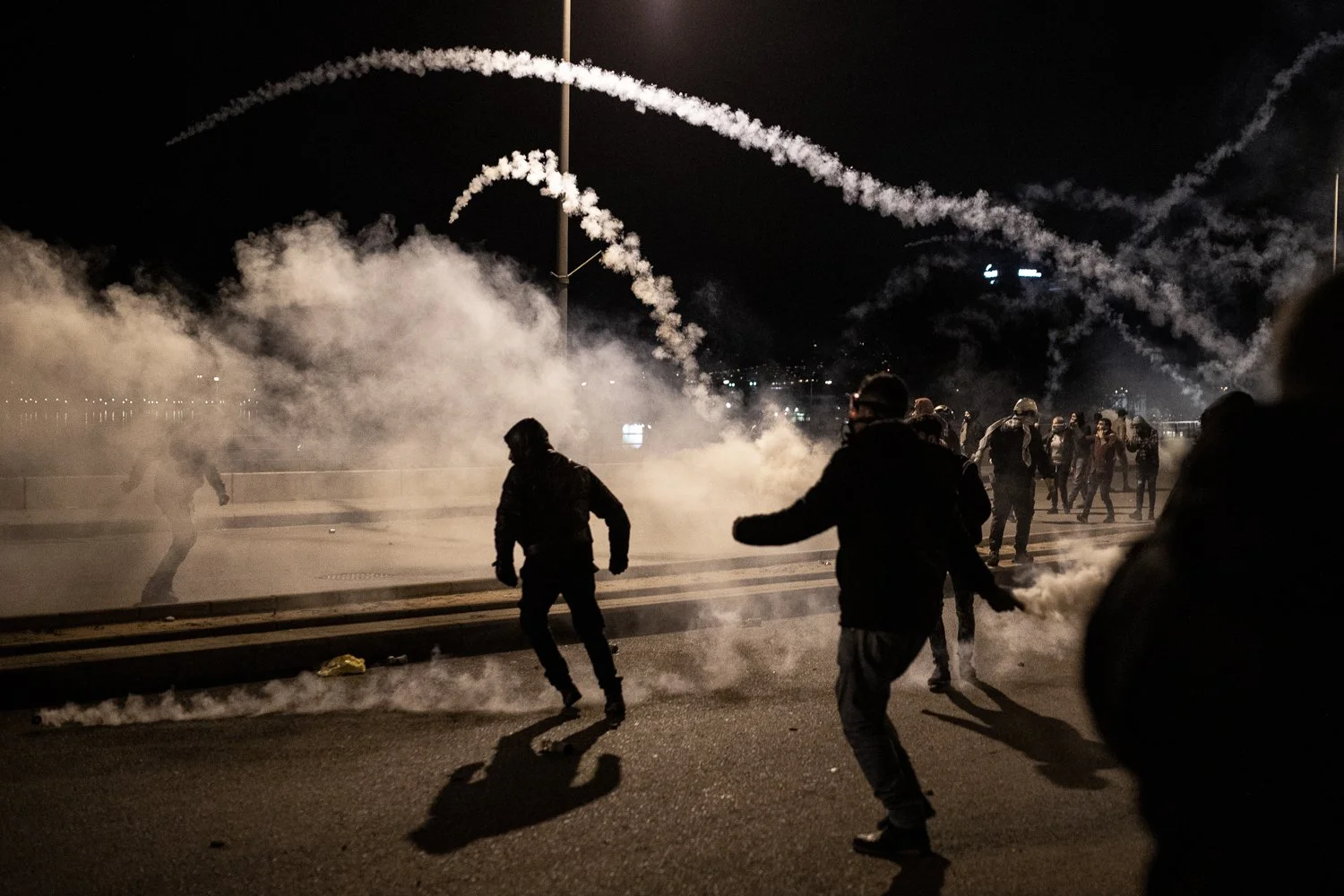
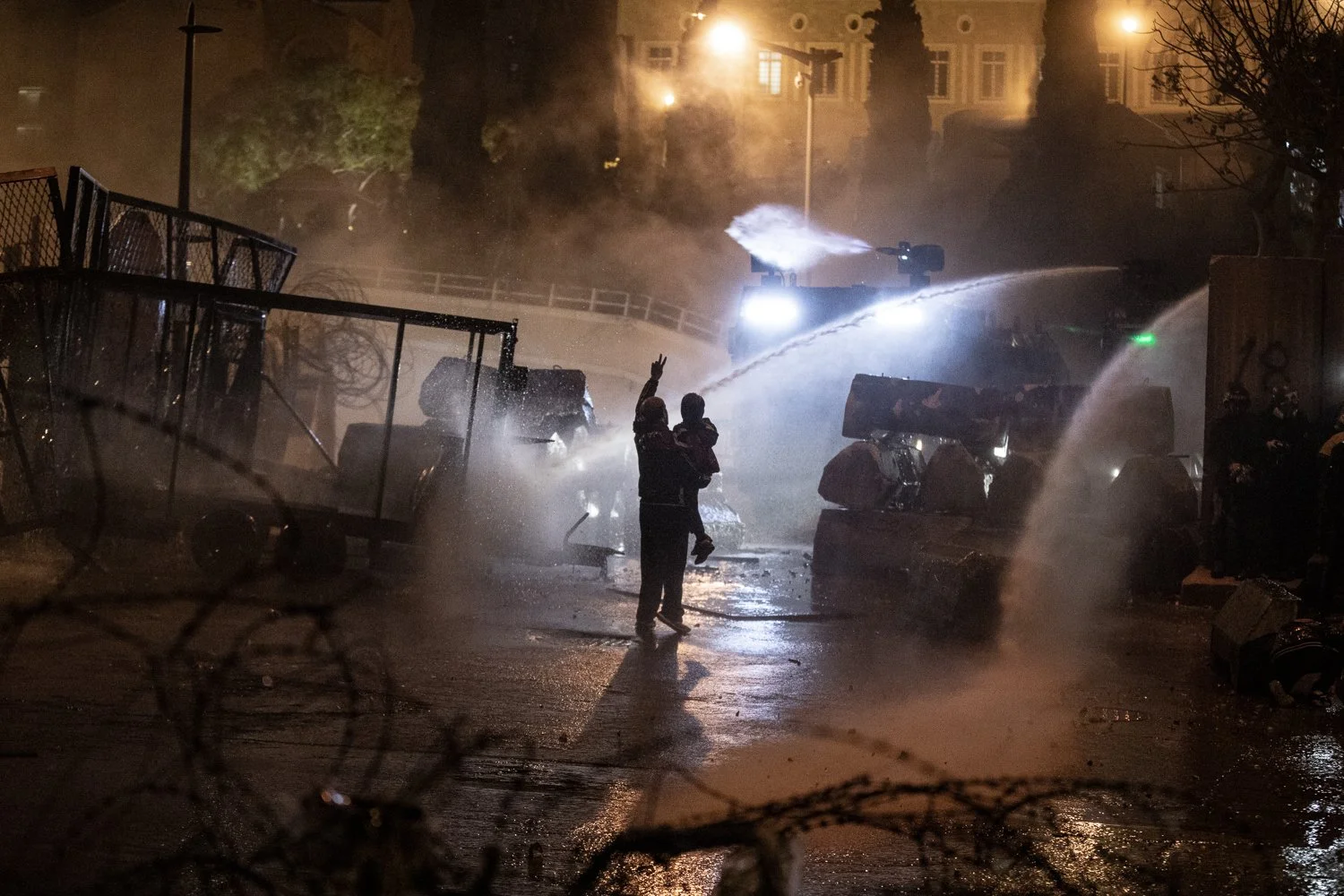
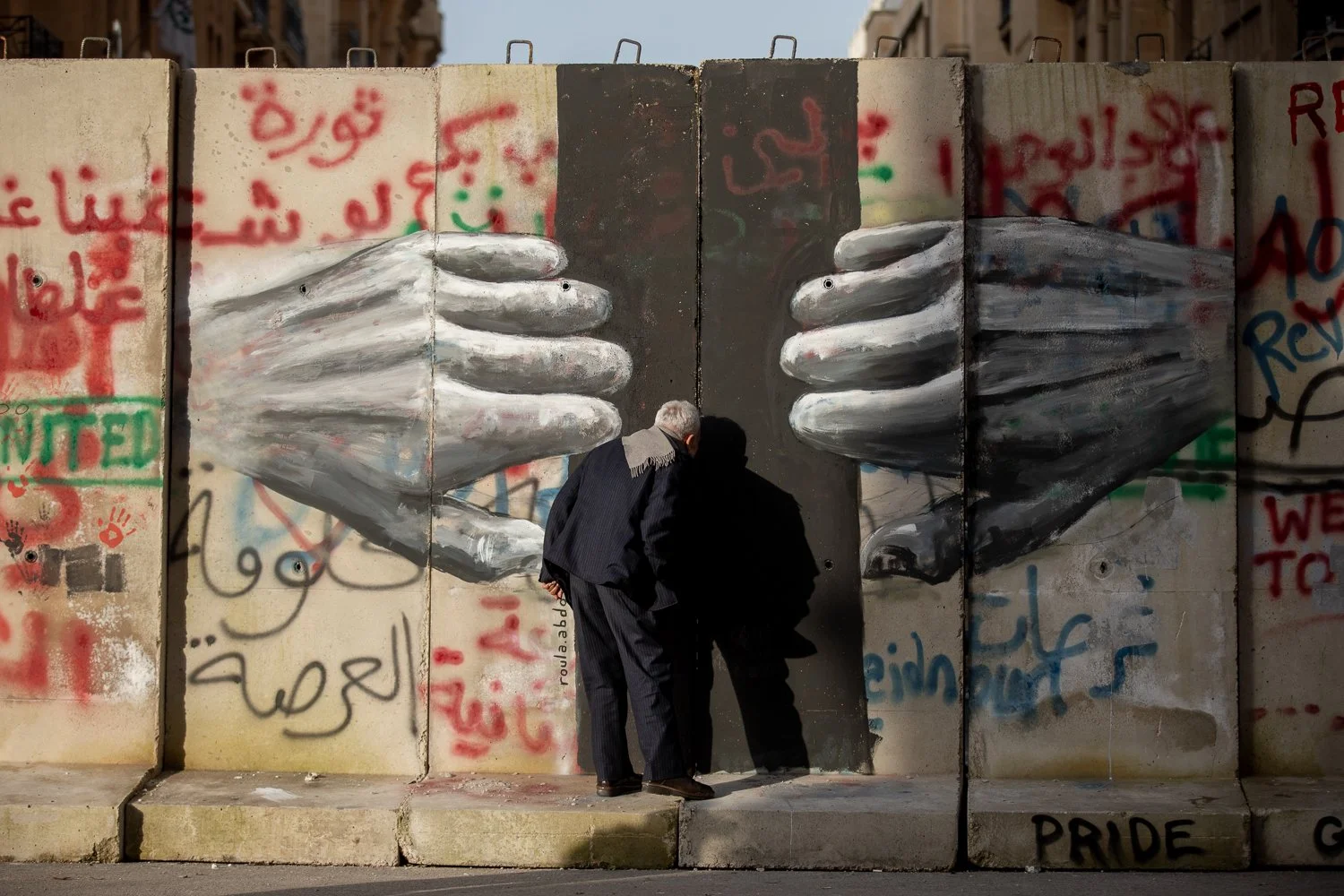
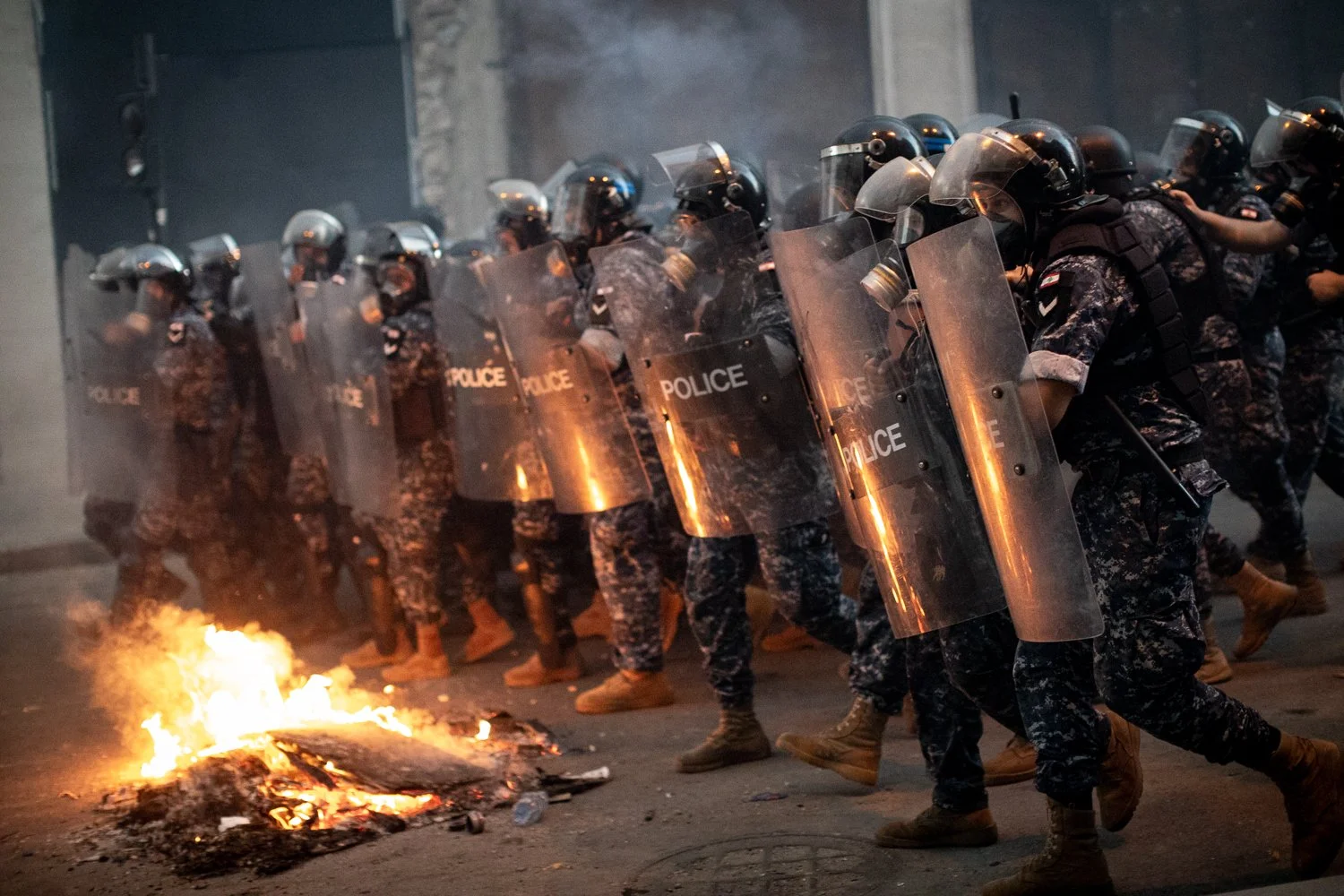
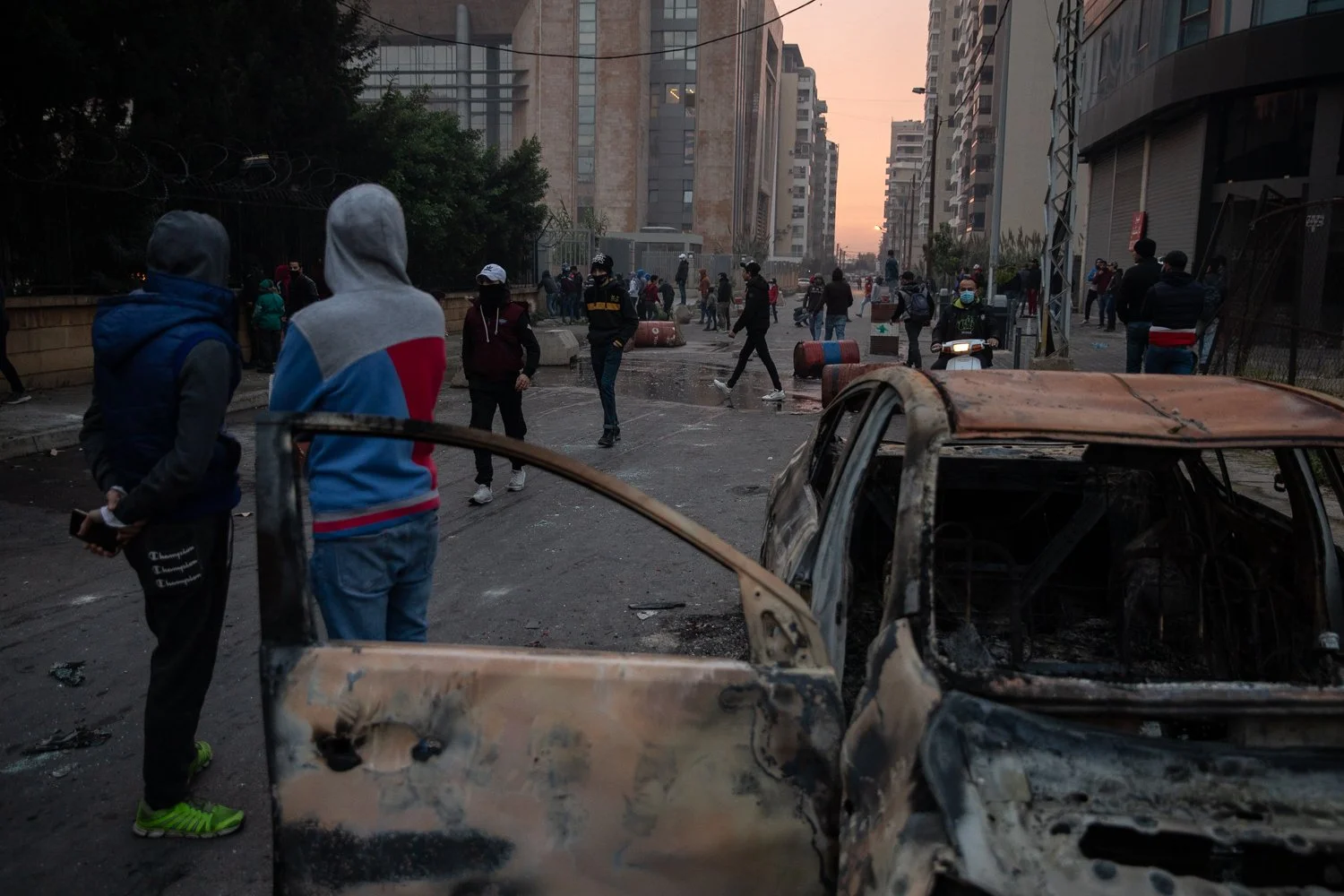
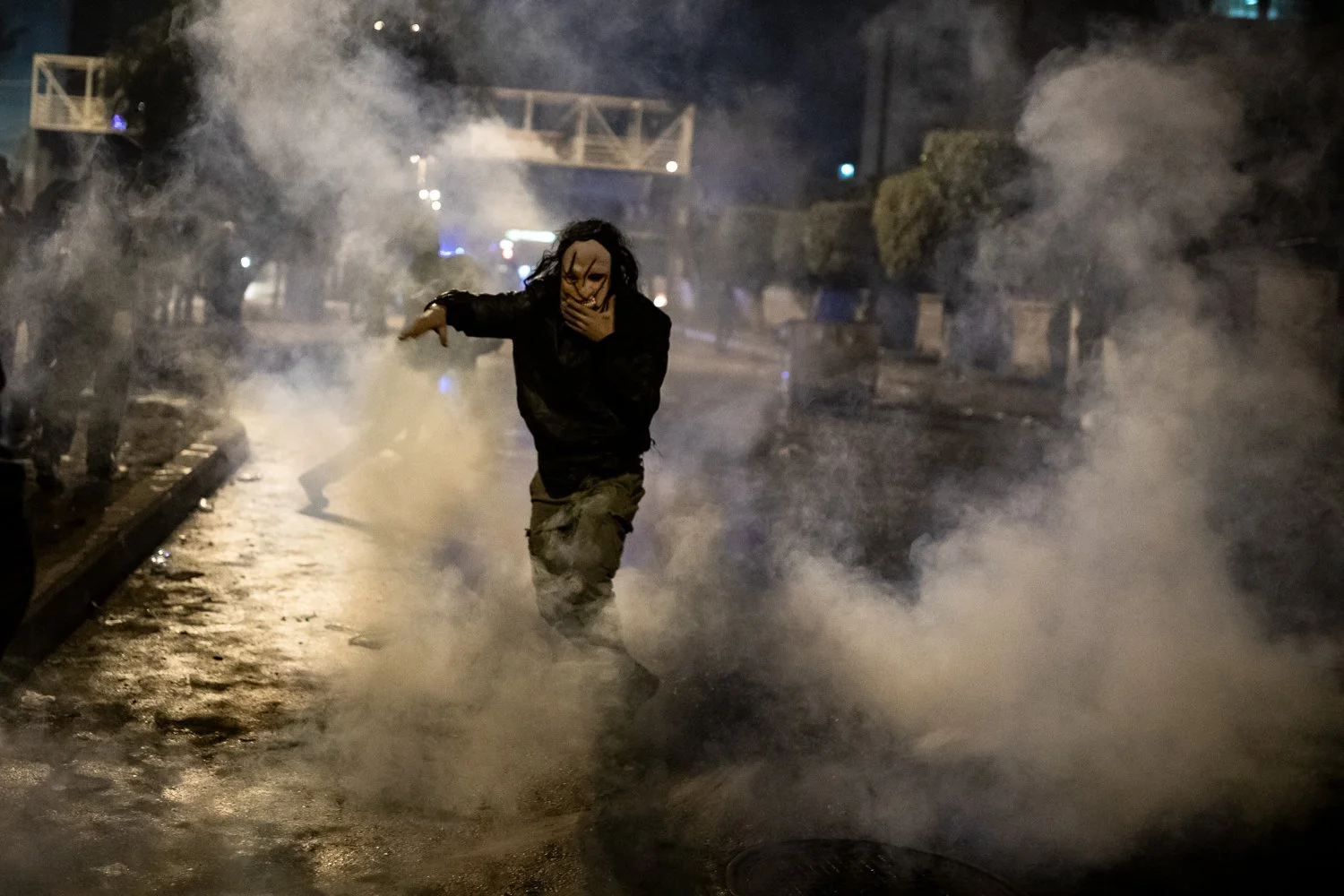
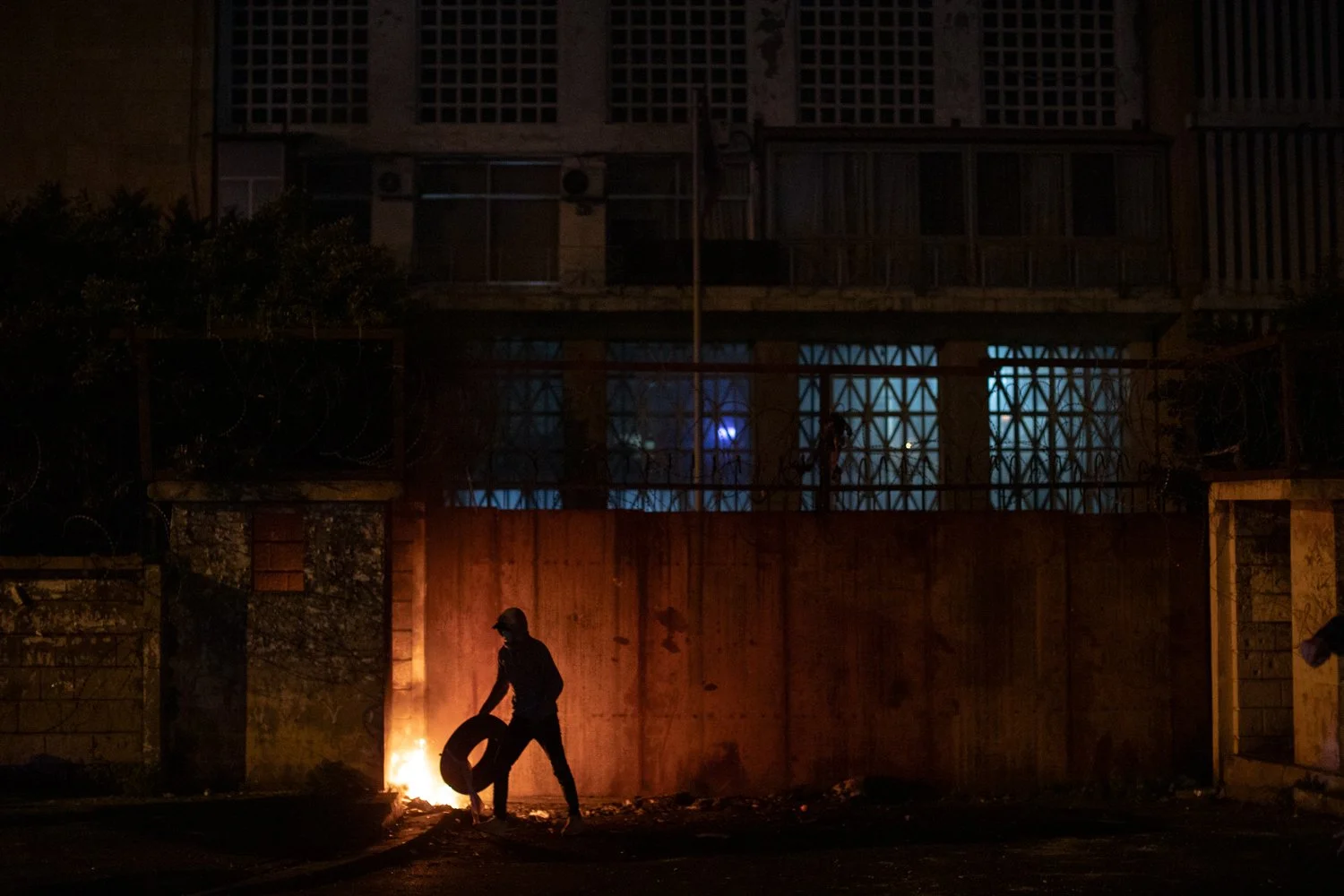
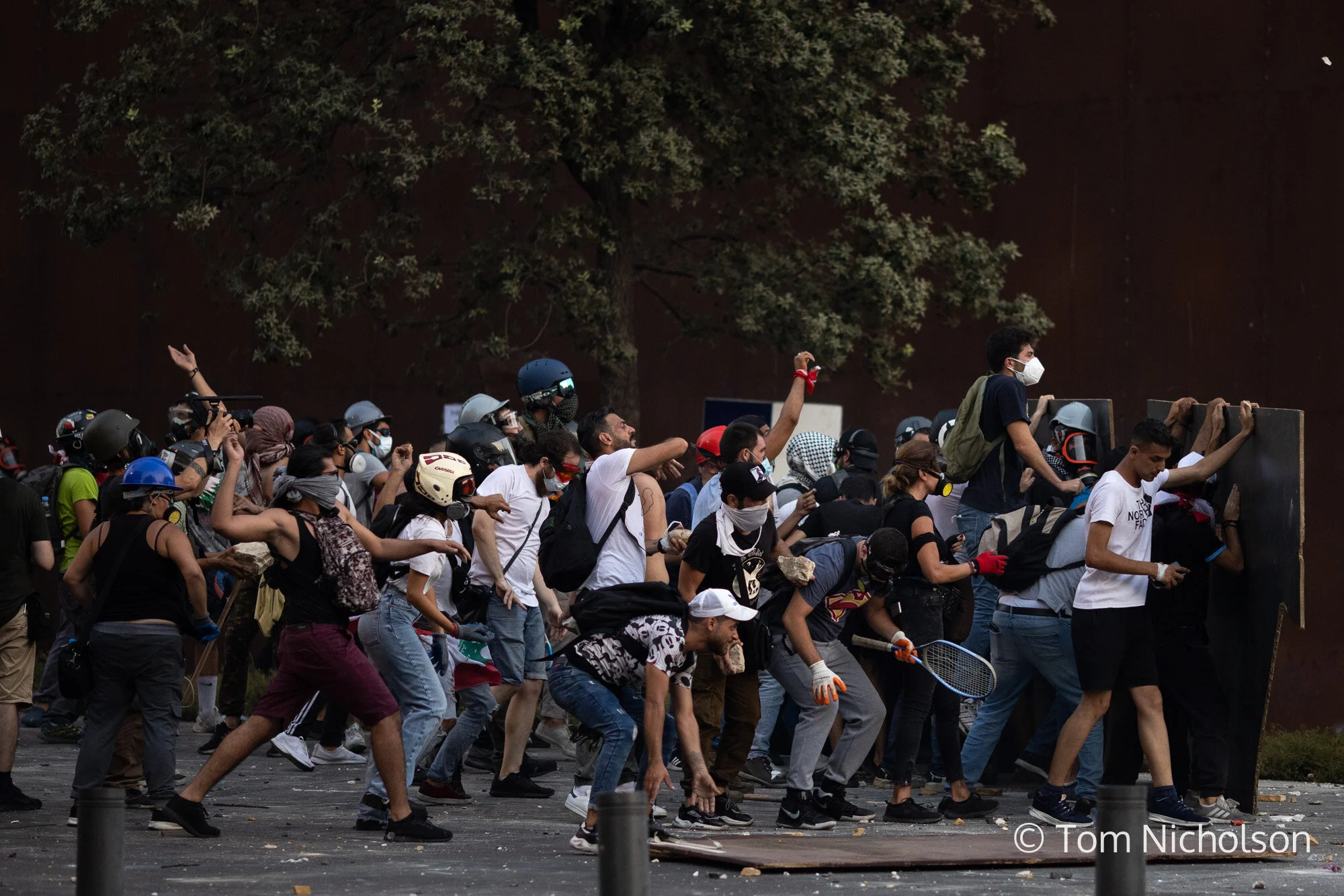
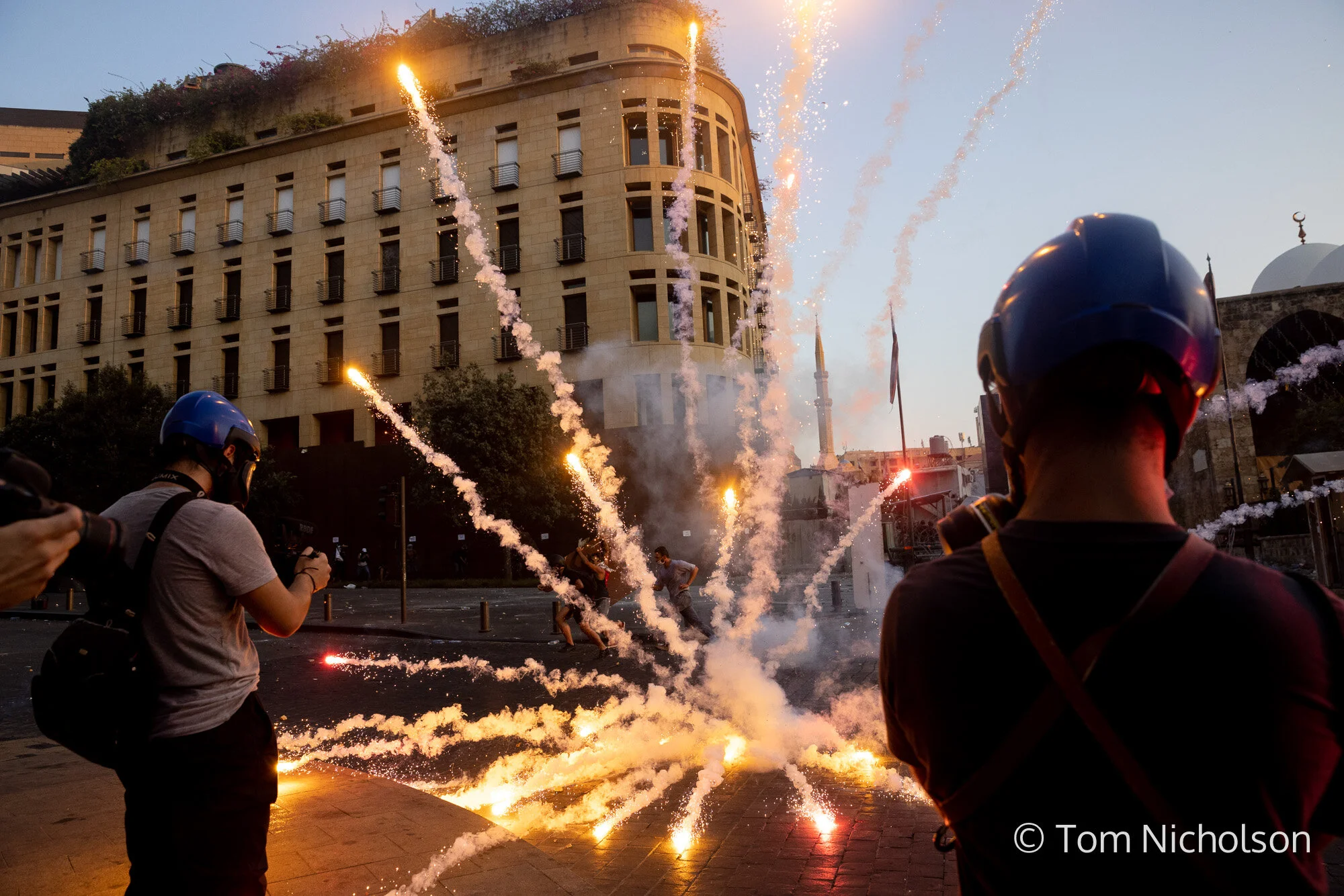
Protests began in Lebanon began in October 2019, initially in response to proposed tax increases on fuel, tobacco and messaging service WhatsApp. The demonstrations escalated quickly, turning into nationwide condemnation of the government, who were seen as corrupt, nepotistic, and to blame for one of the worst economic crises in Lebanon for decades. Hundreds of demonstrators and police were injured as street clashes turned violent, with demonstrators burning tyres, throwing rocks and Molotov cocktails, and police responding with tear gas, water cannon and rubber bullets.
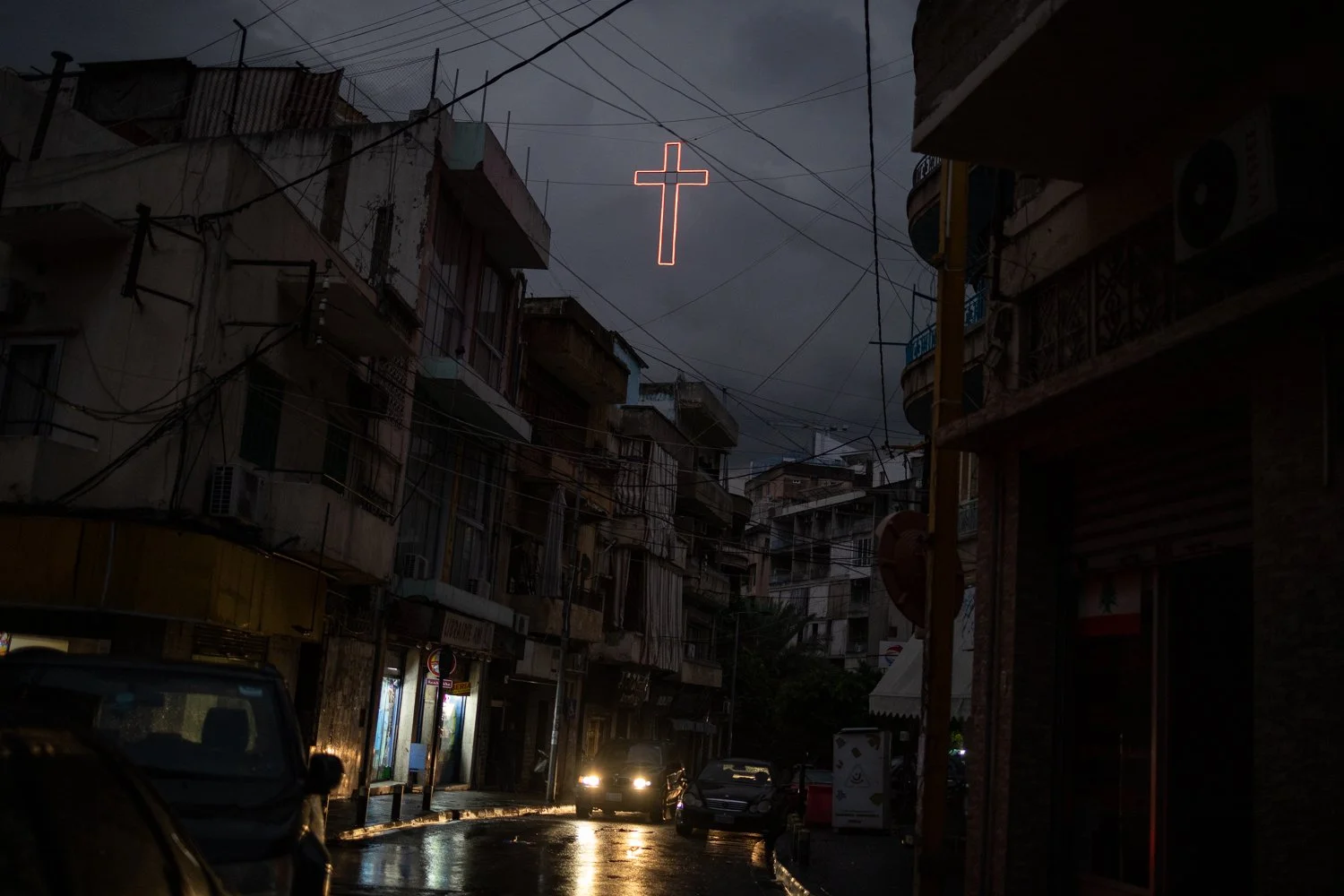
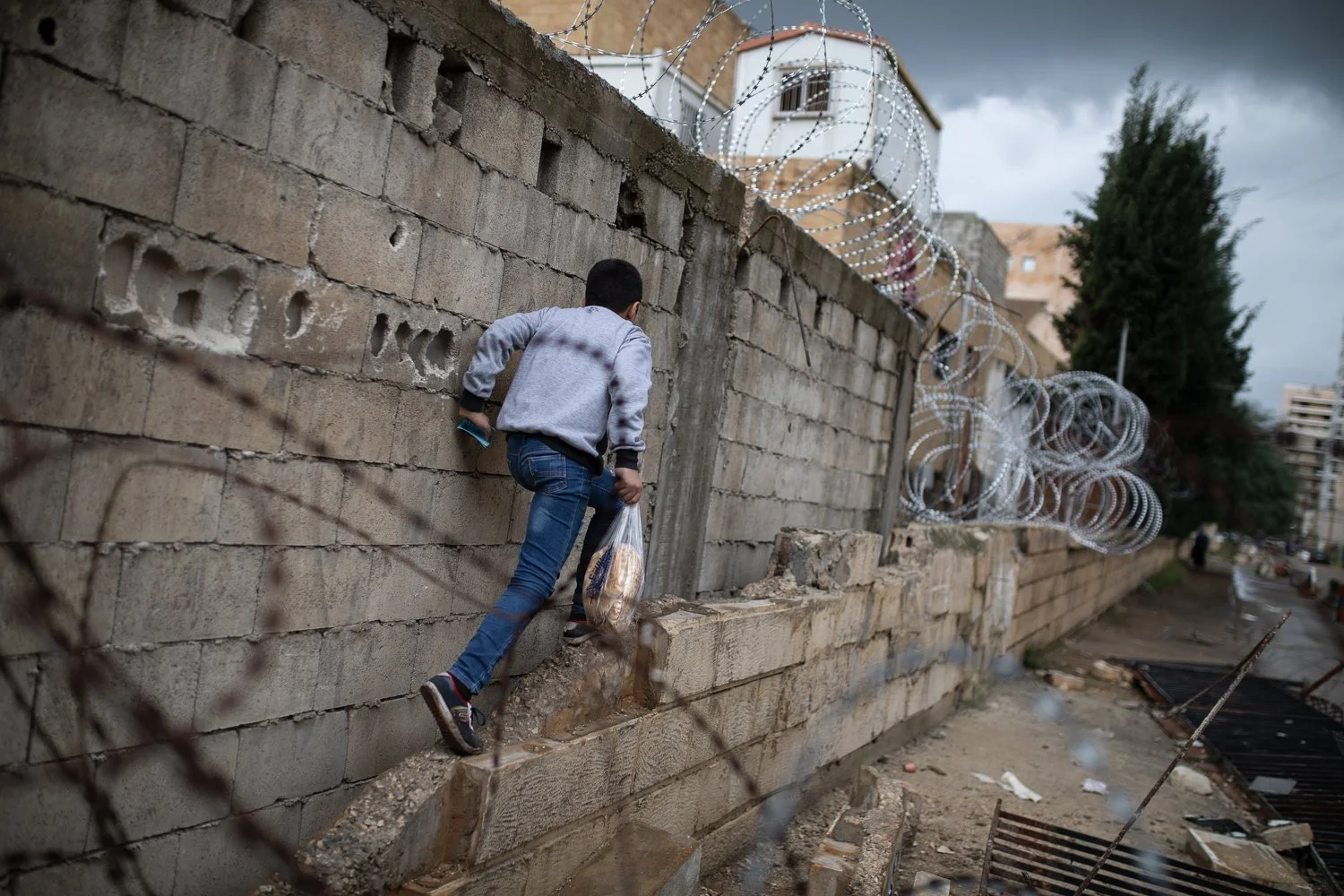
The Lebanese Lira currency collapsed and inflation soared, with many Lebanese residents losing their life savings or being priced out of living in the country.
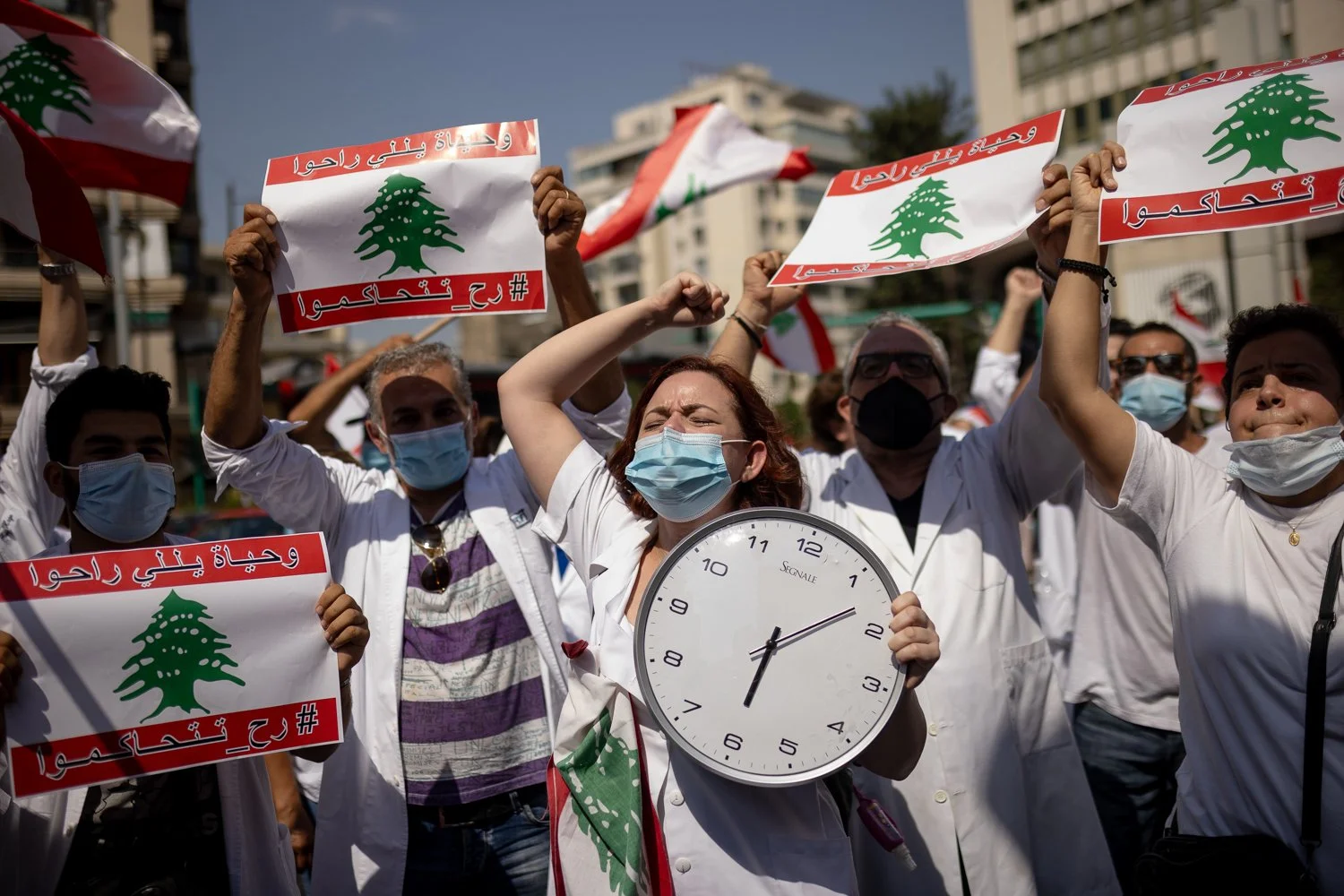
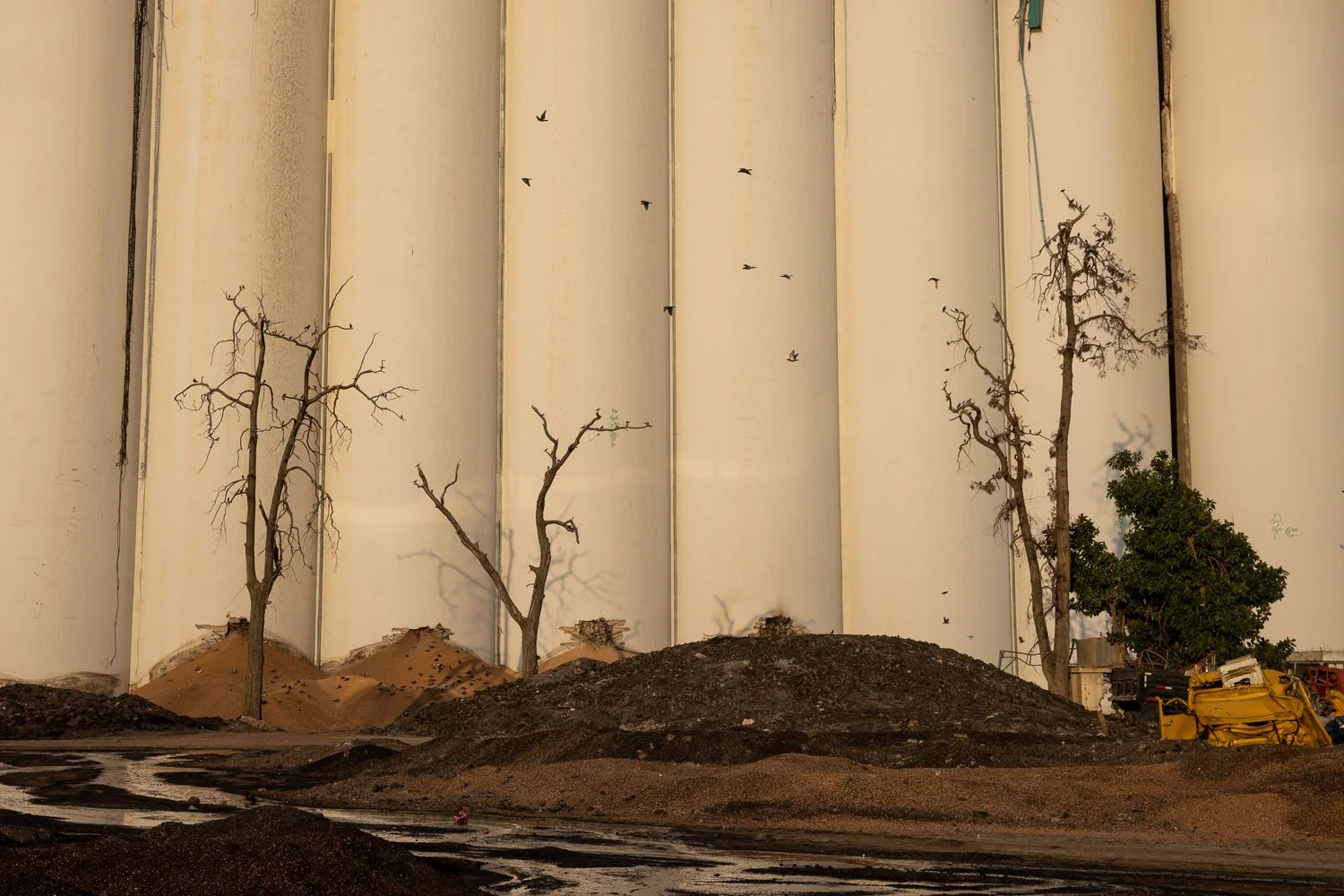
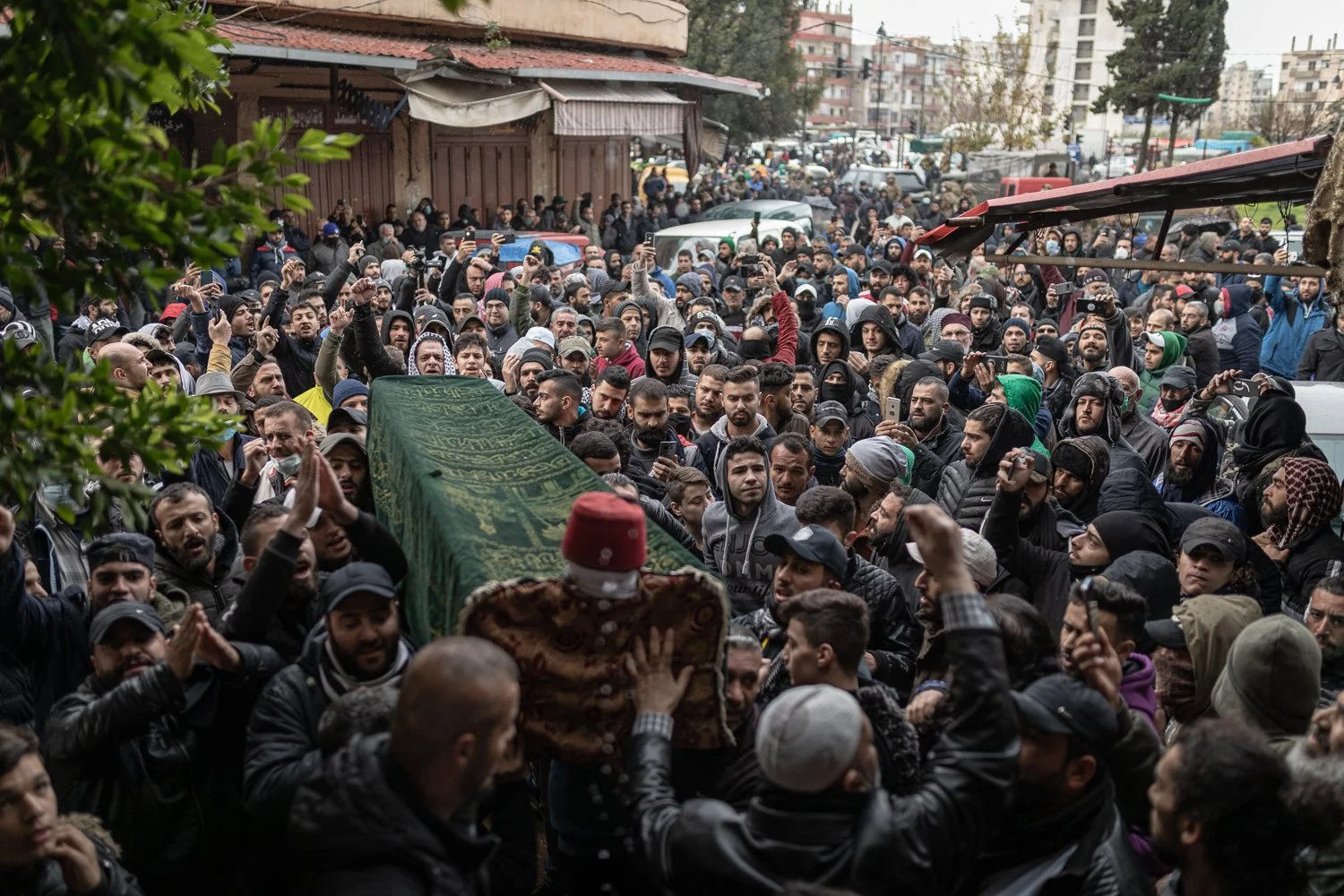
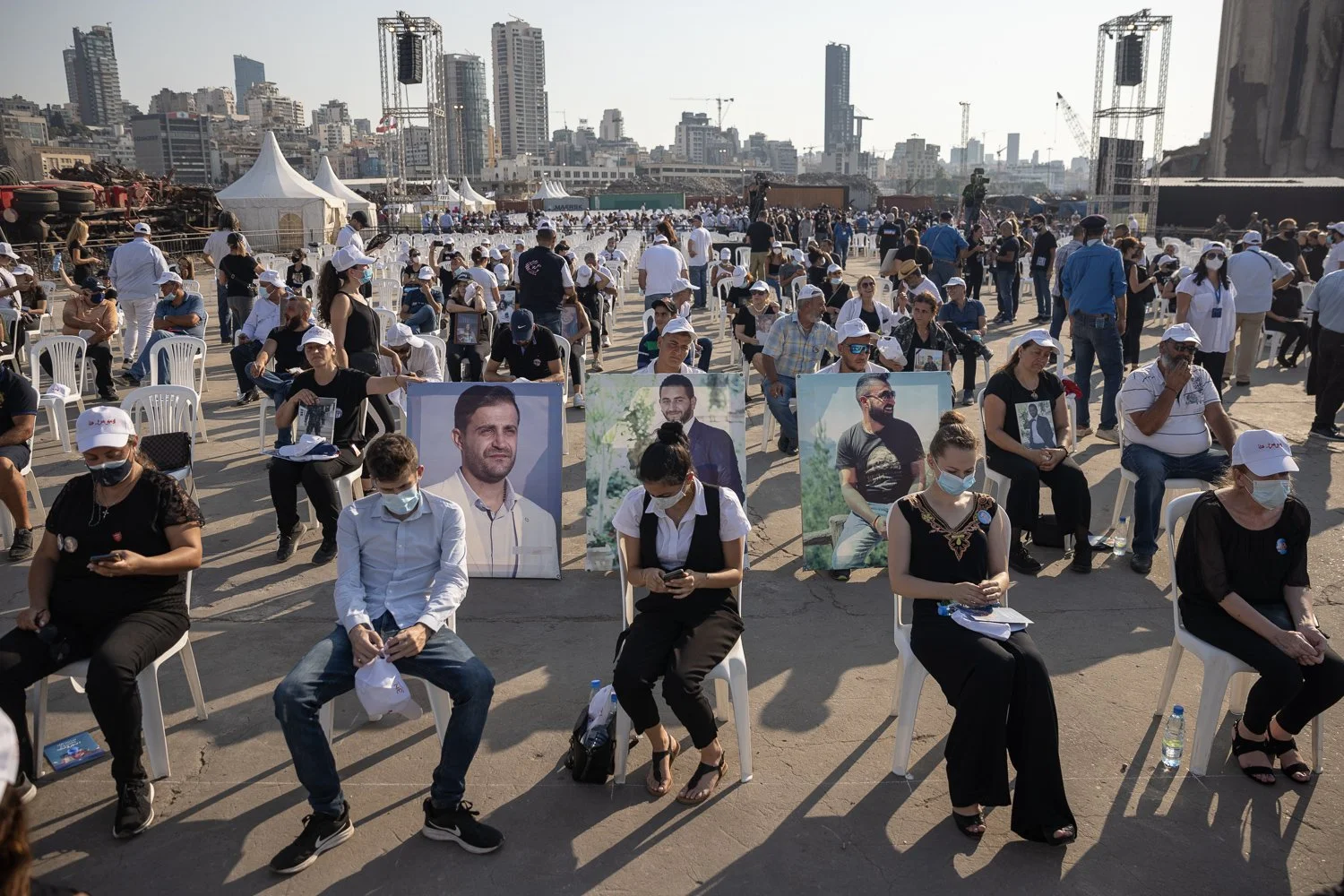
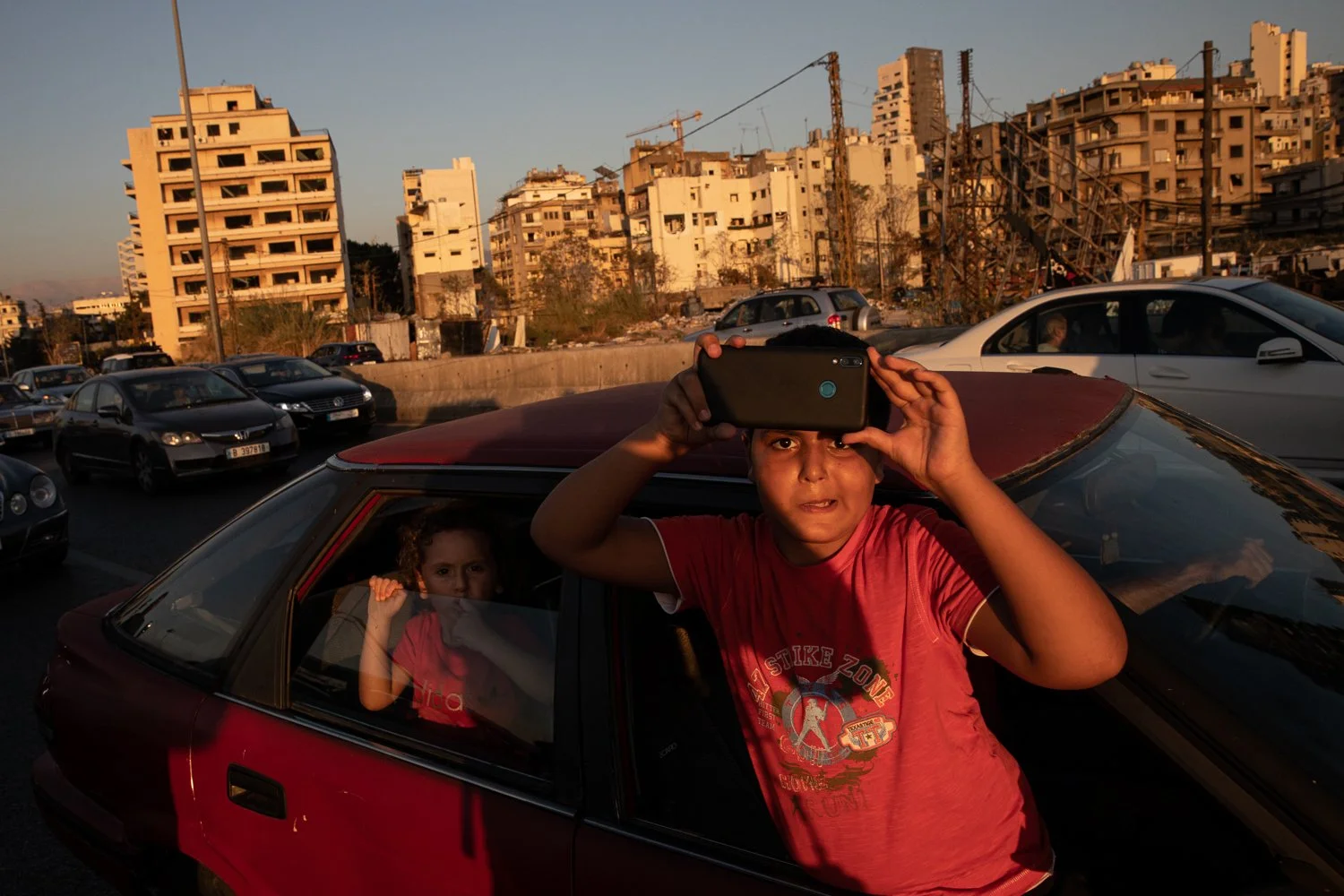
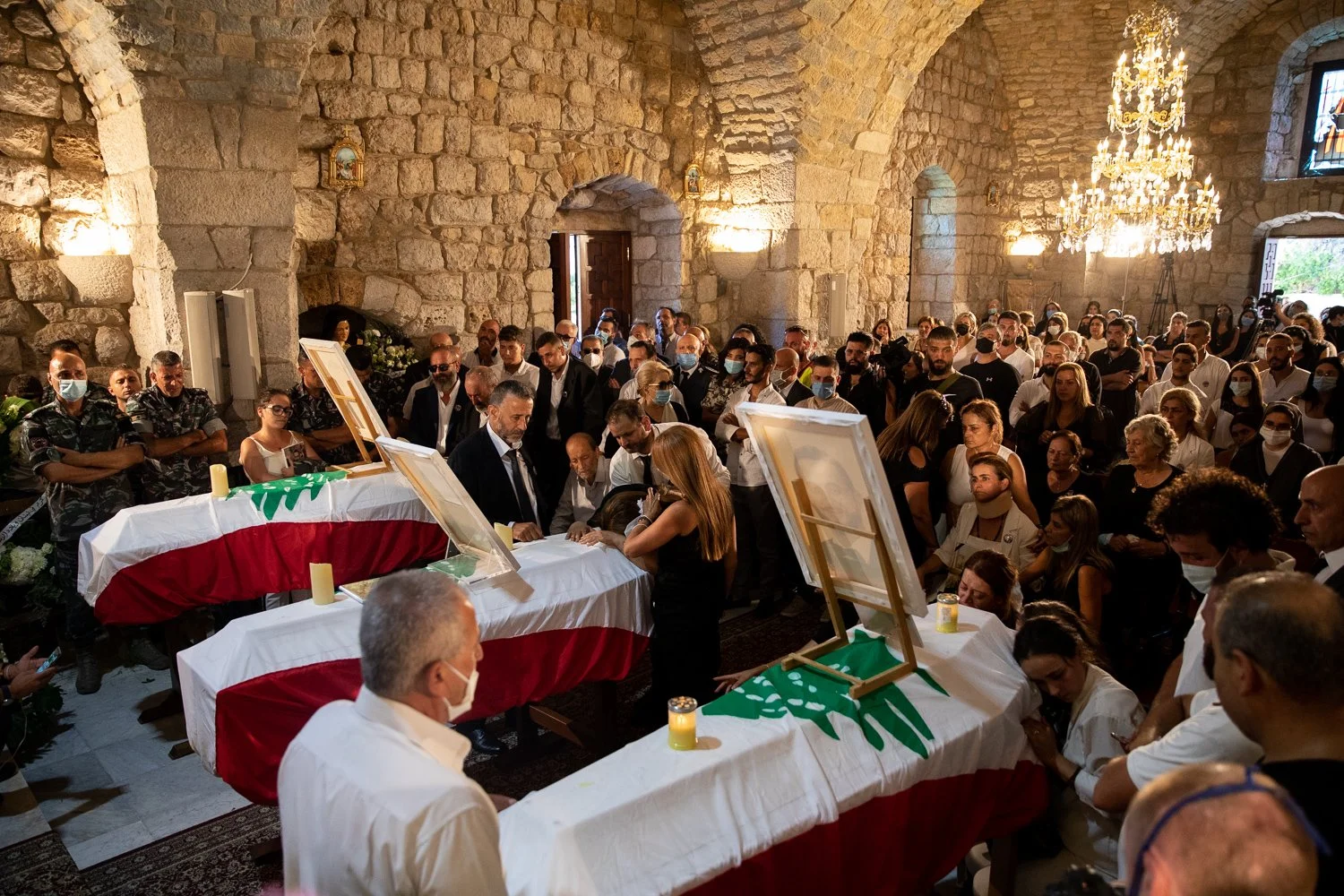
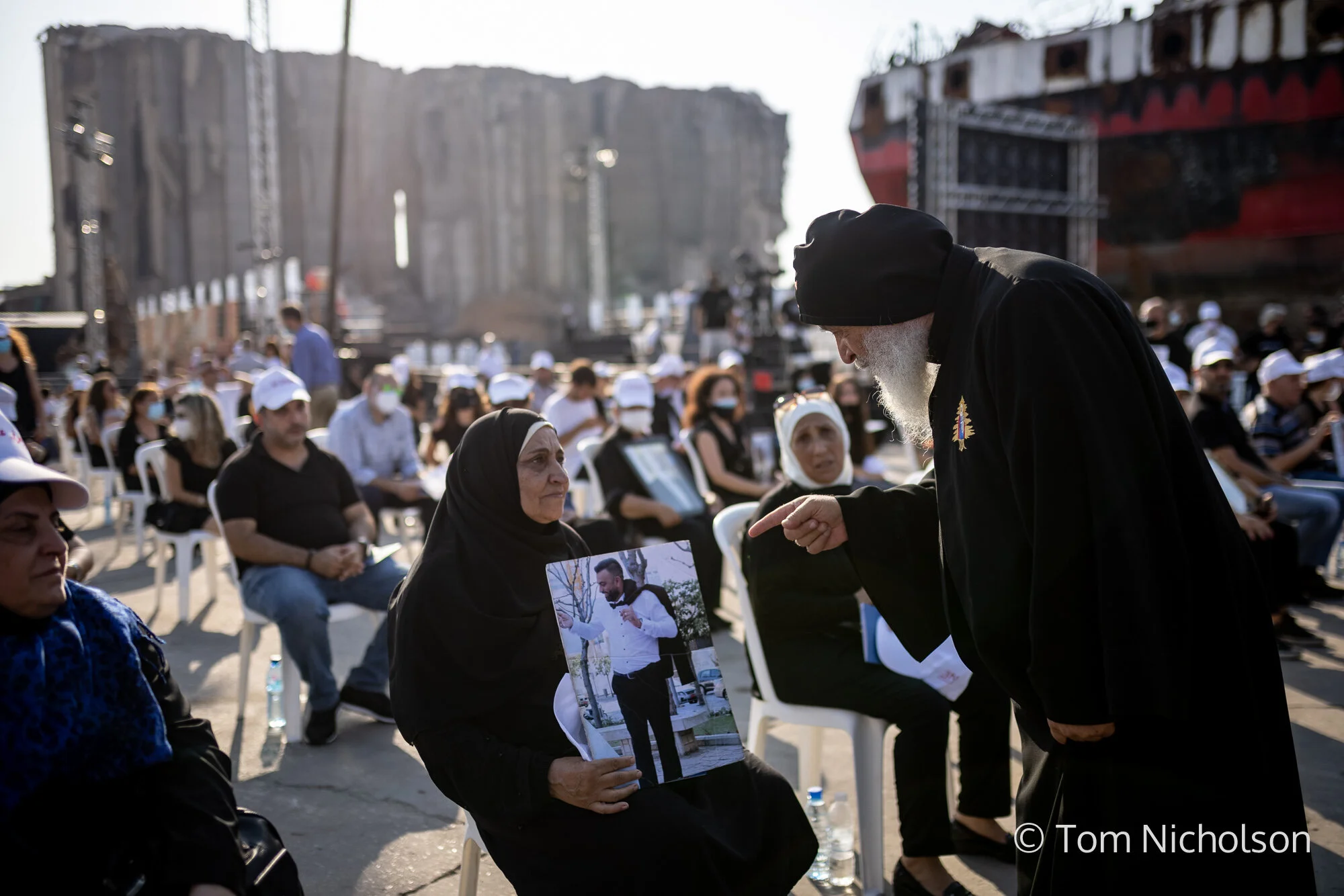
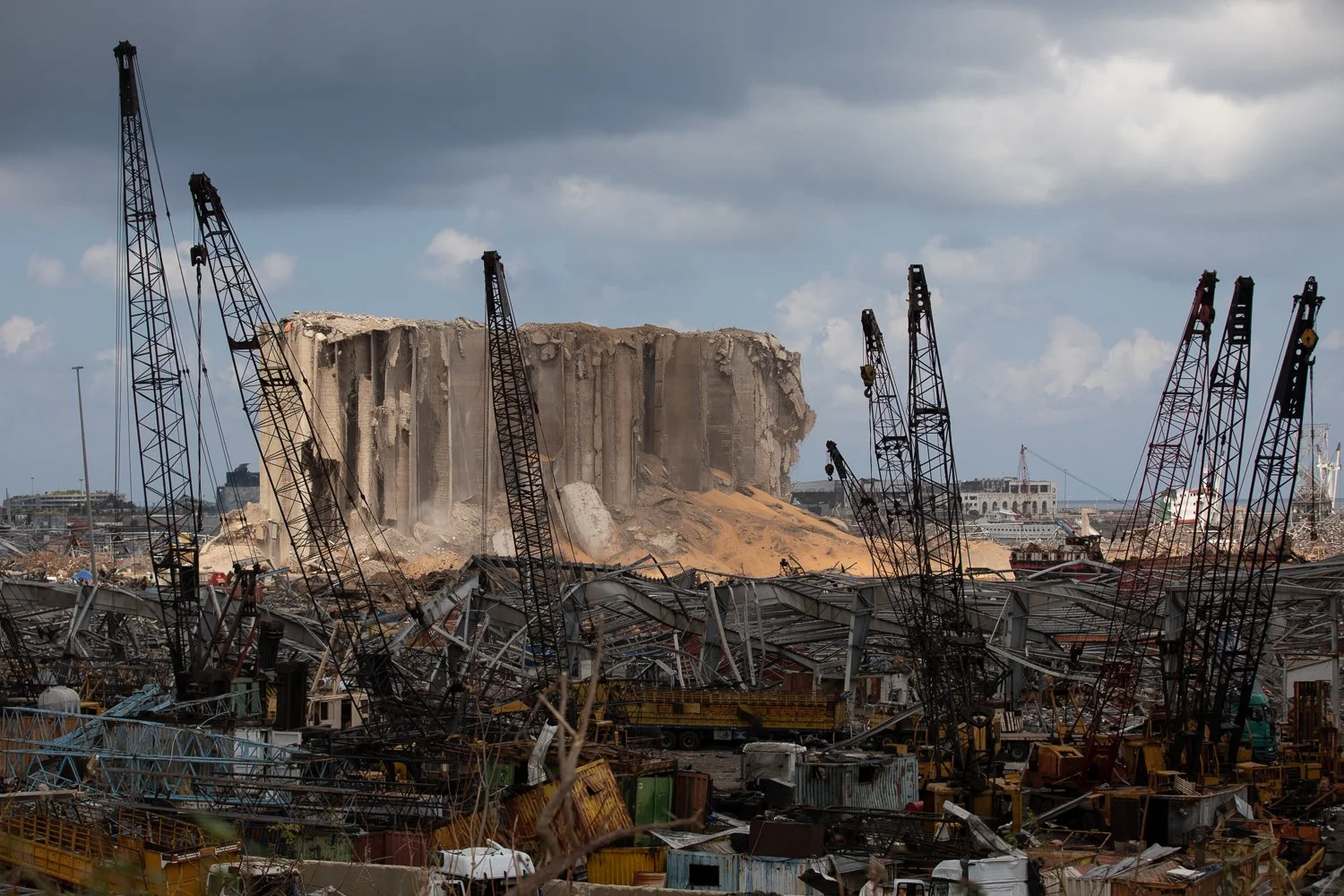
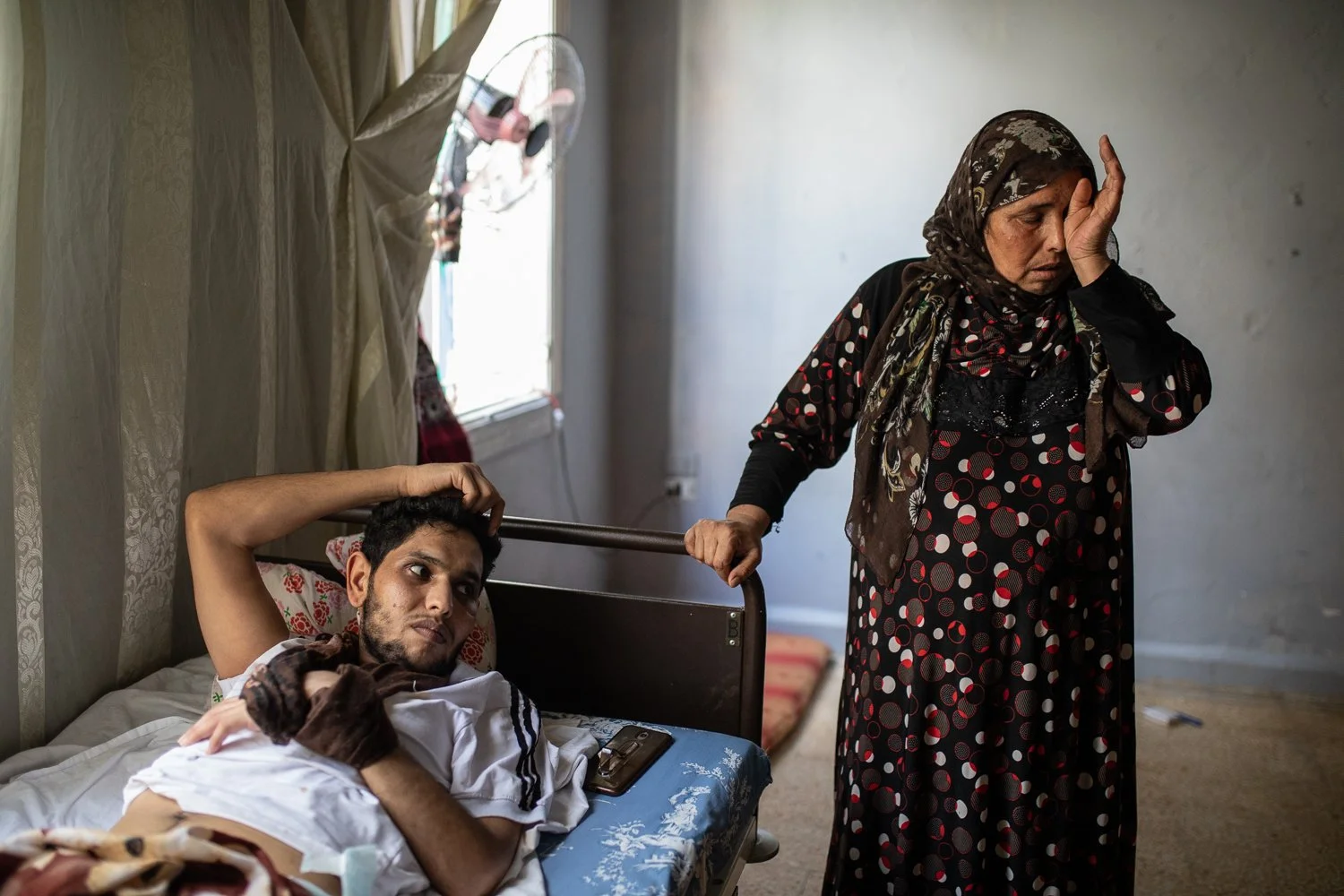
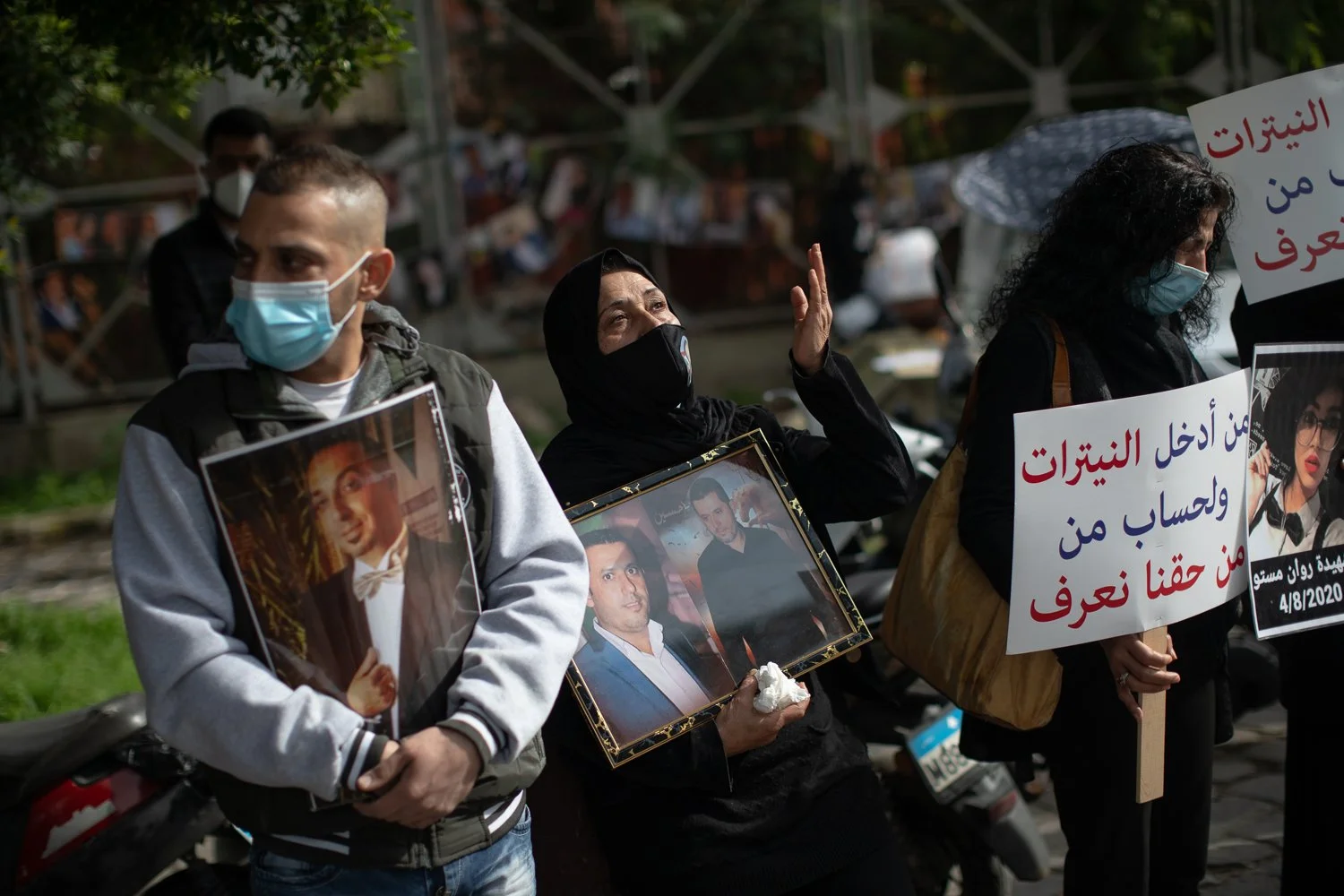
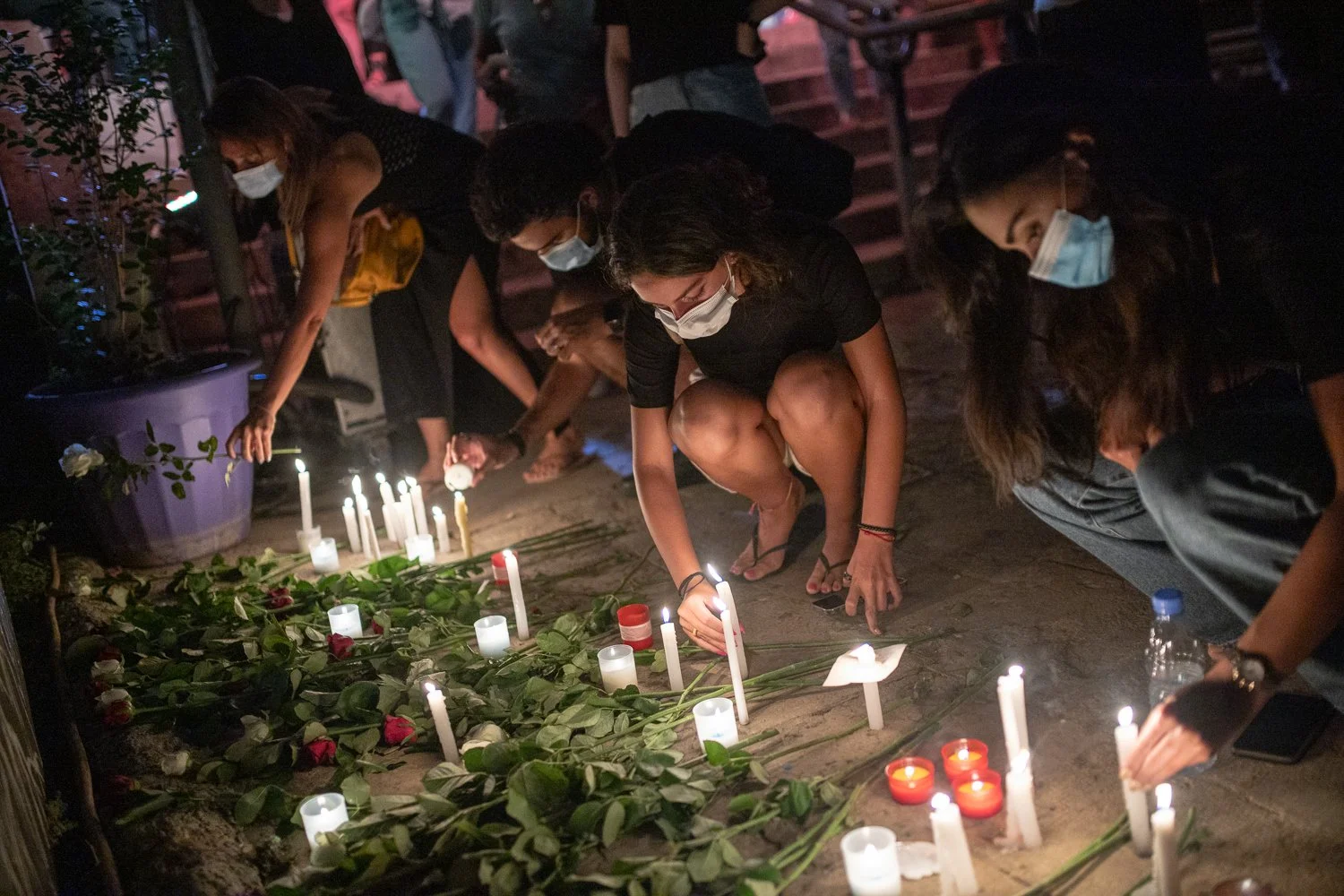
Then, at 6:07pm on 4 August 2020, an enormous quantity of ammonium nitrate exploded in the port of Beirut, Lebanon, killing 218 people and injuring 7000 others. It has been described as the largest non-nuclear blast in modern history, causing USD$3.8-4.6 billion in material damage and displacing 300,000 people. Following the explosion, first there was the clearing up effort, then funerals, and then ensuing demonstrations venting frustration against the government. Vigils, ceremonies and more demonstrations took place at the port on the six month and one year anniversaries, remembering those who lost their lives and questioning the lack of transparency, accountability and thorough investigation.
Many describe the explosion as symbolic of Lebanon’s free fall into disarray: a result of mismanagement and corruption of the political elite.