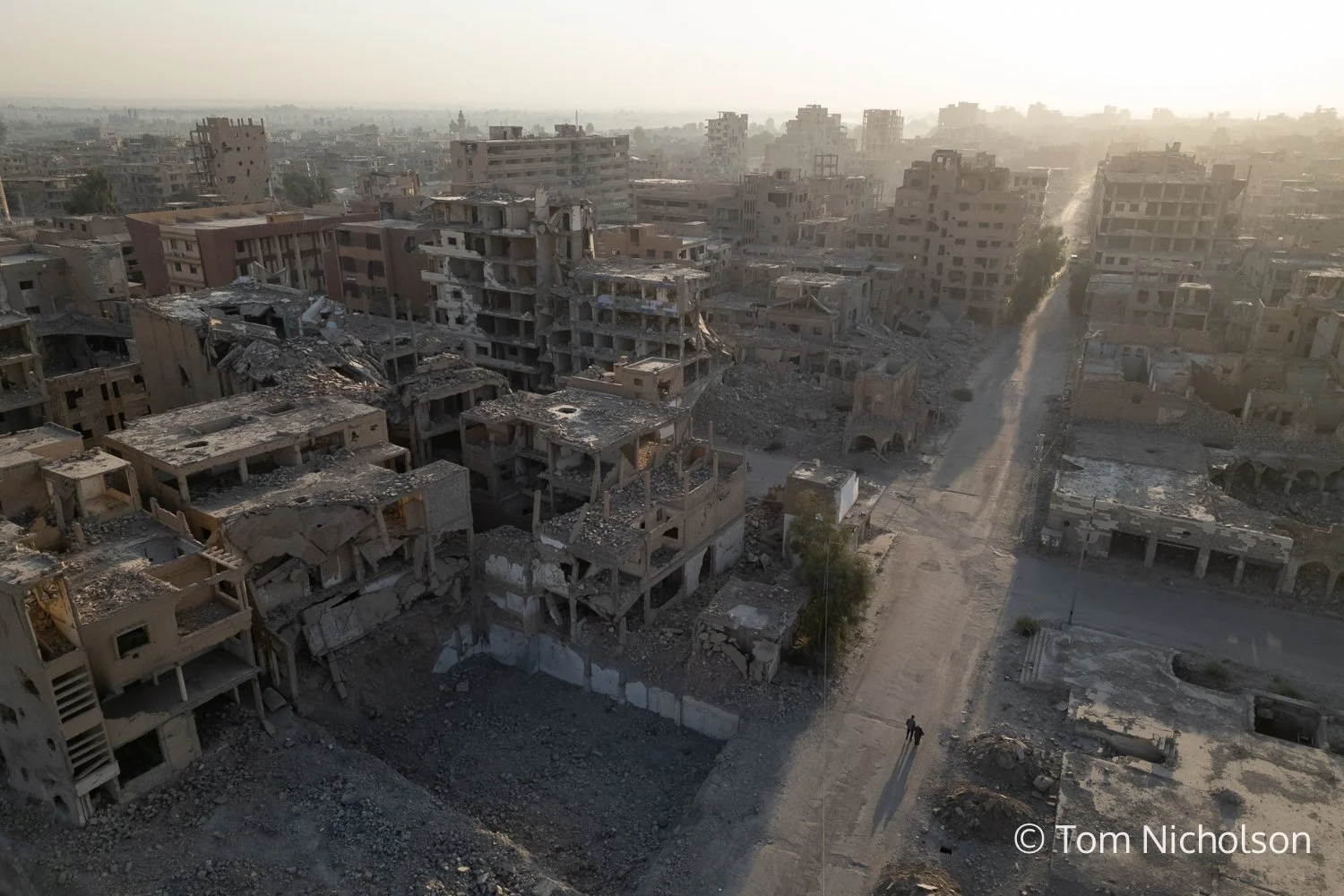
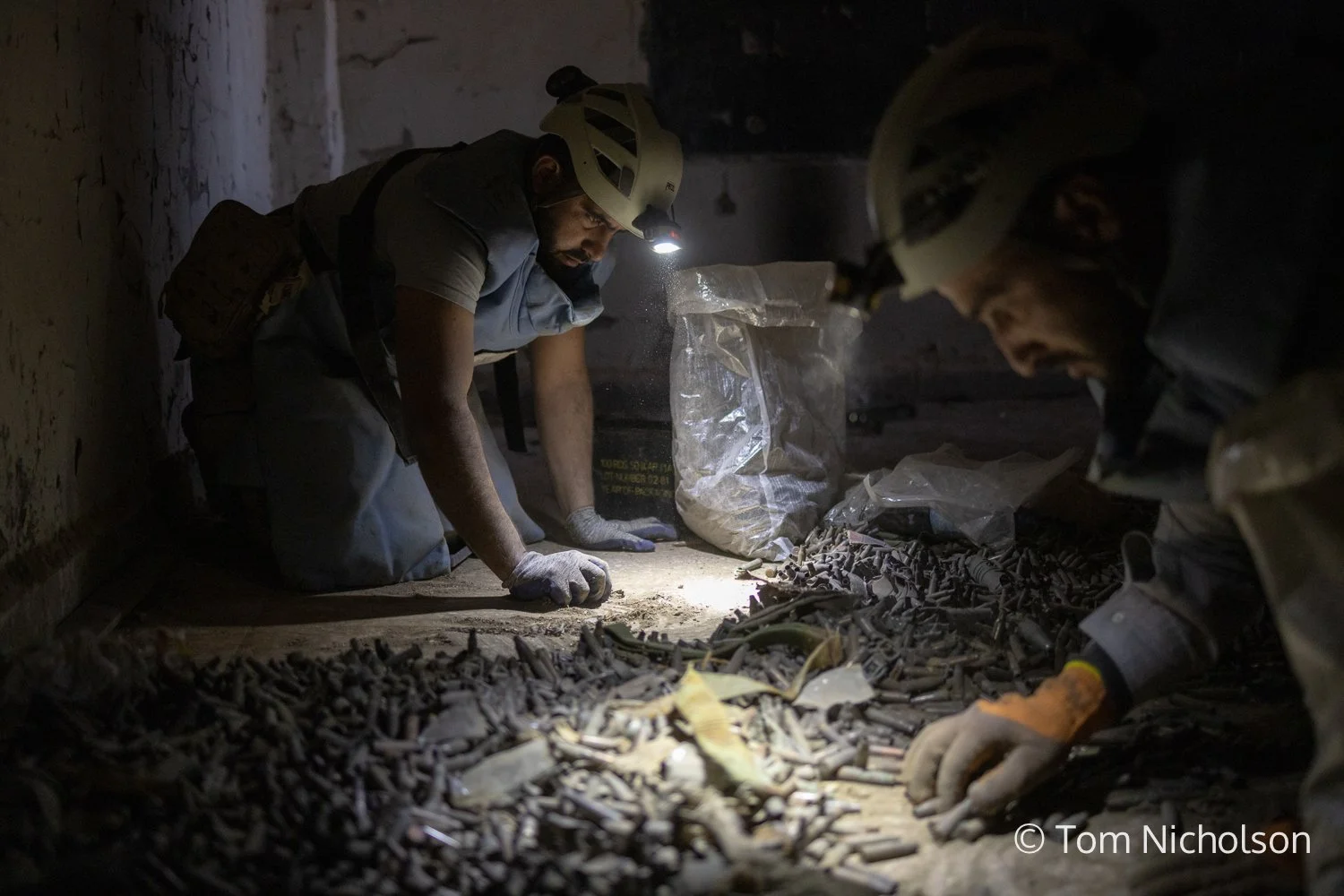
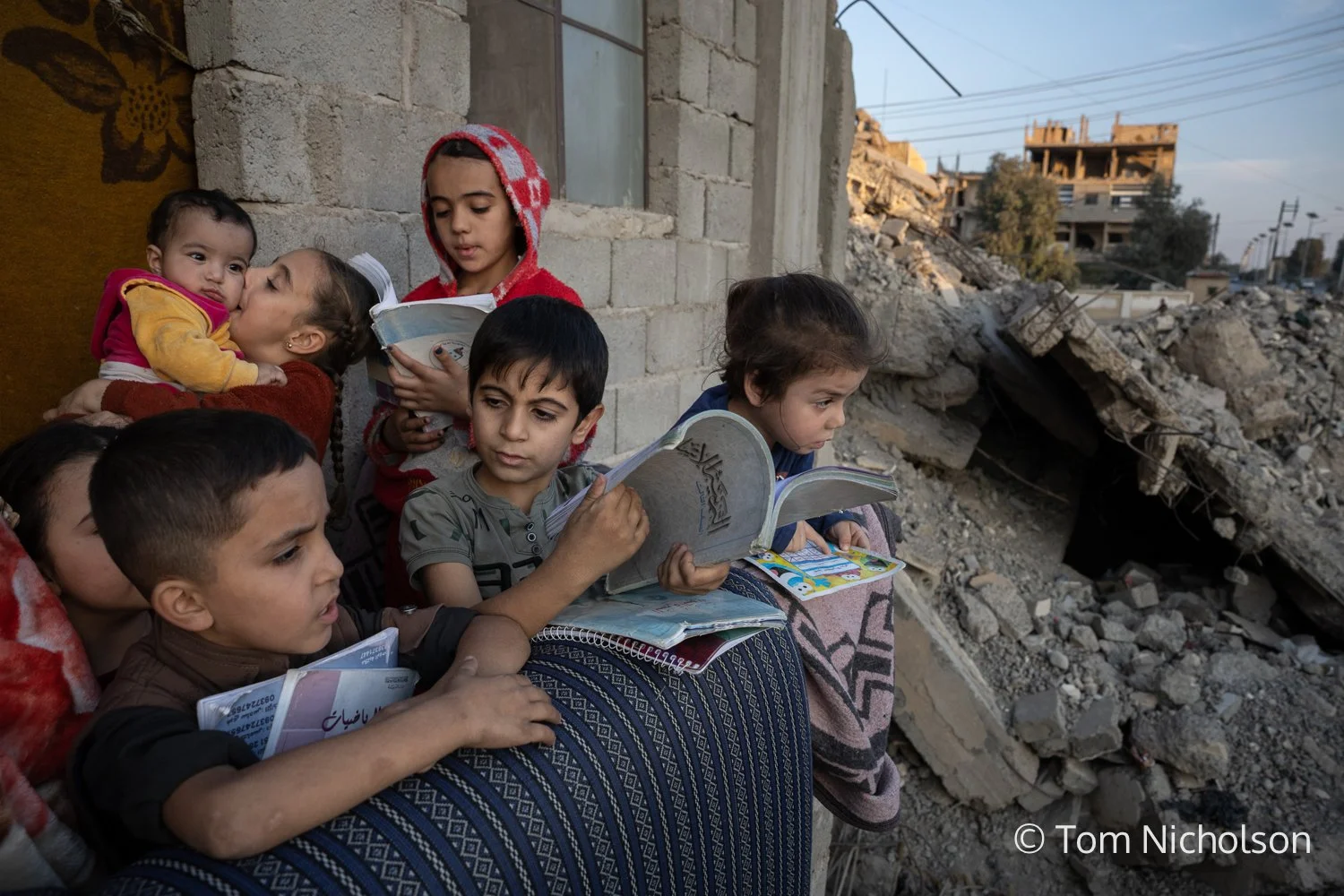
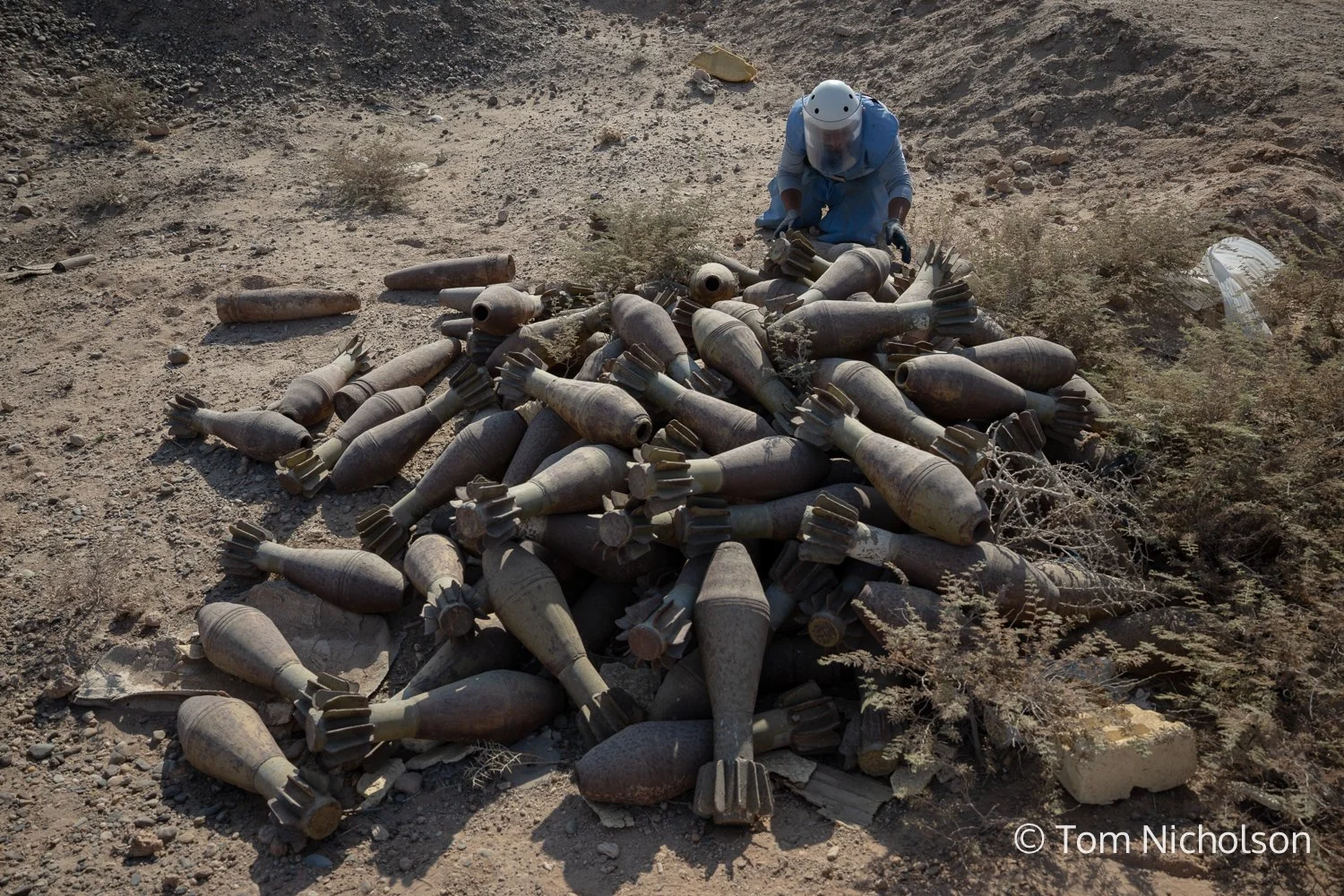
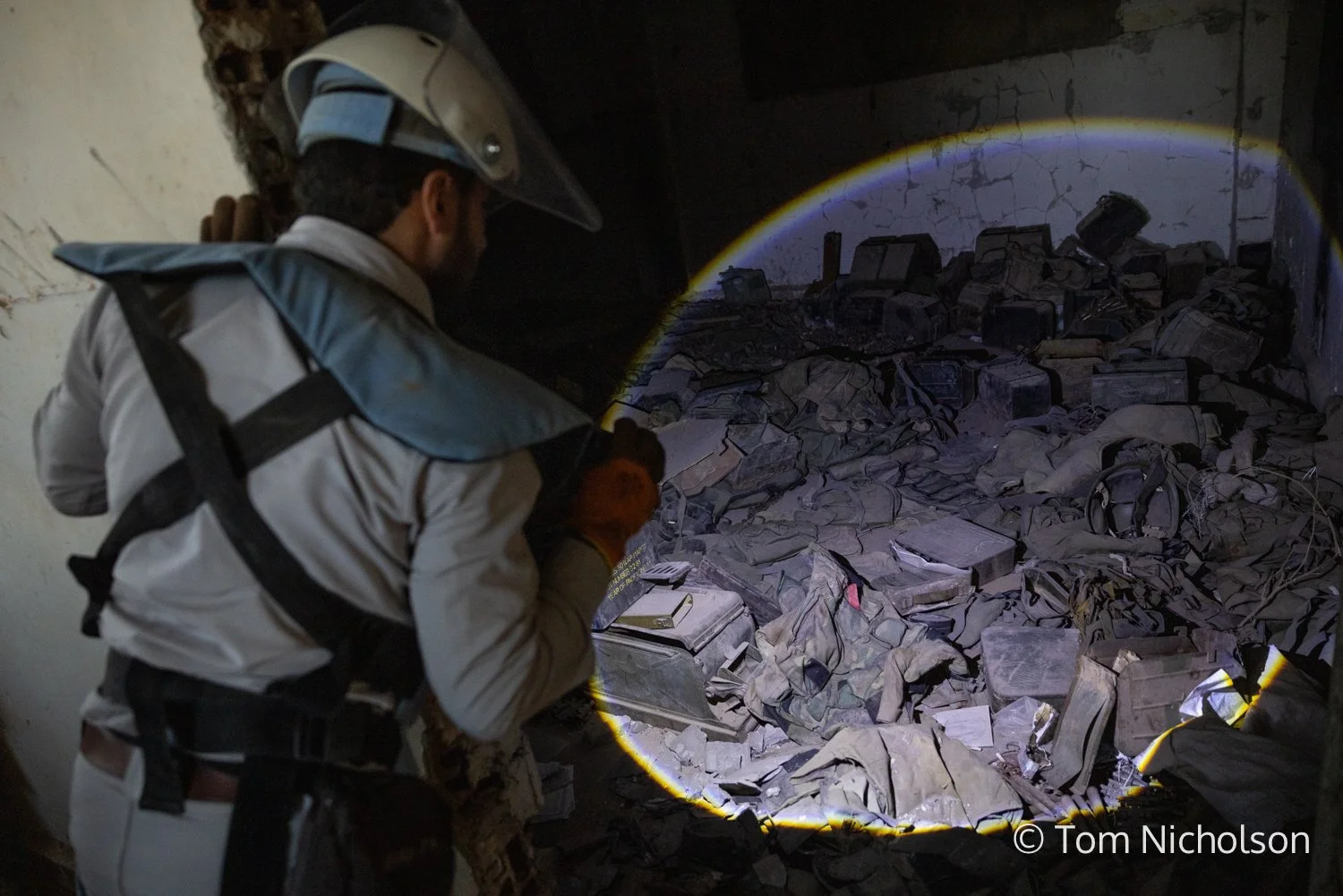
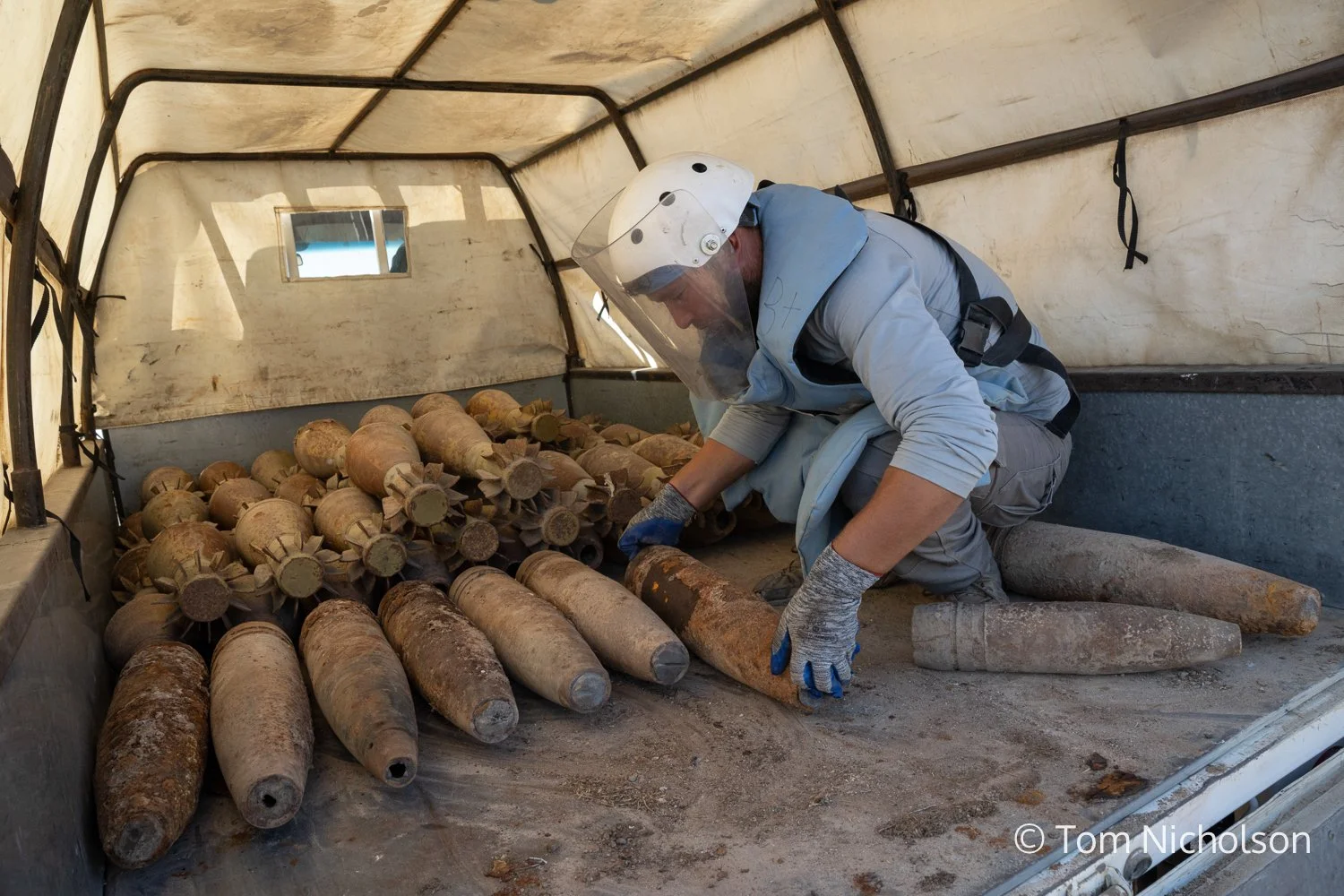
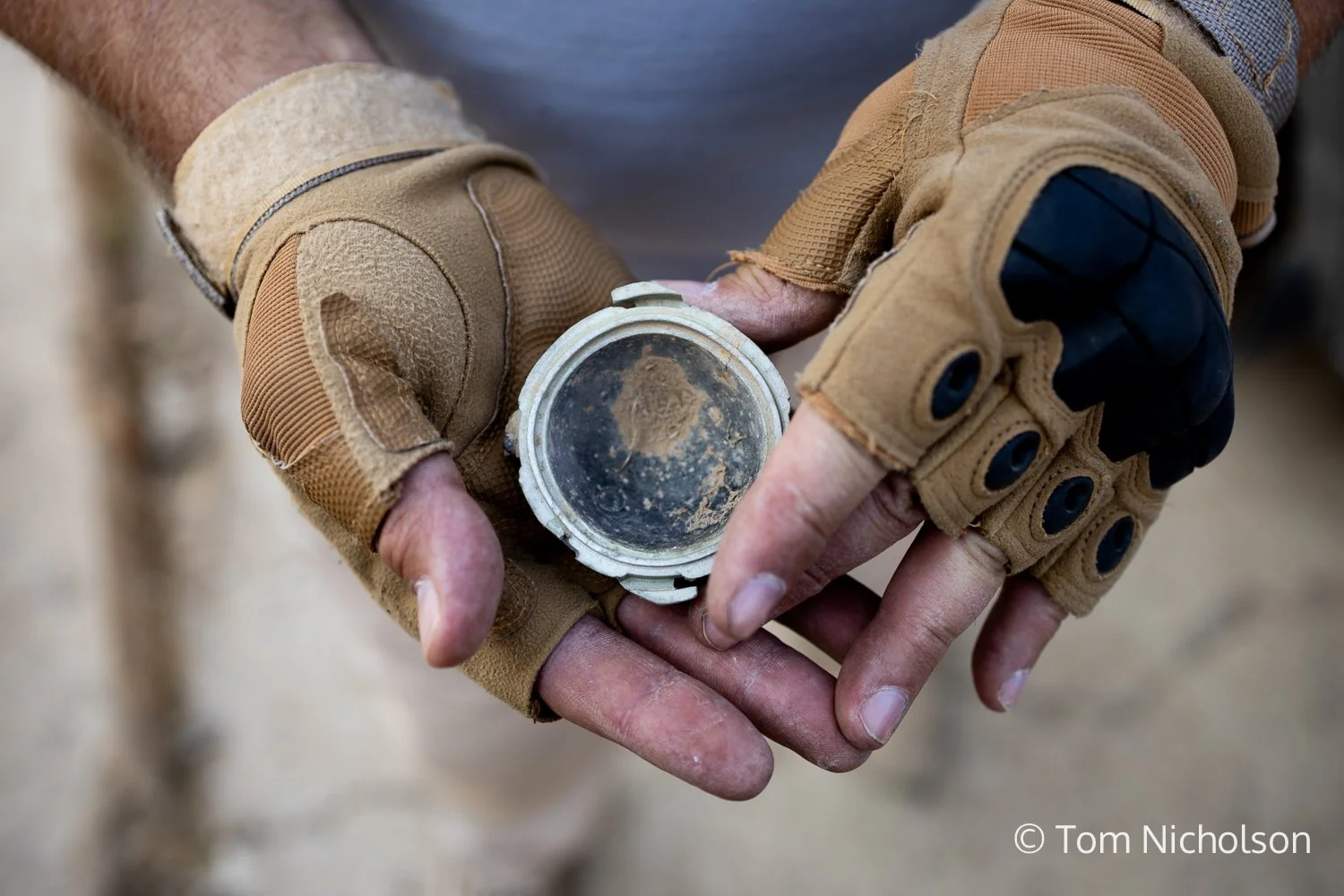
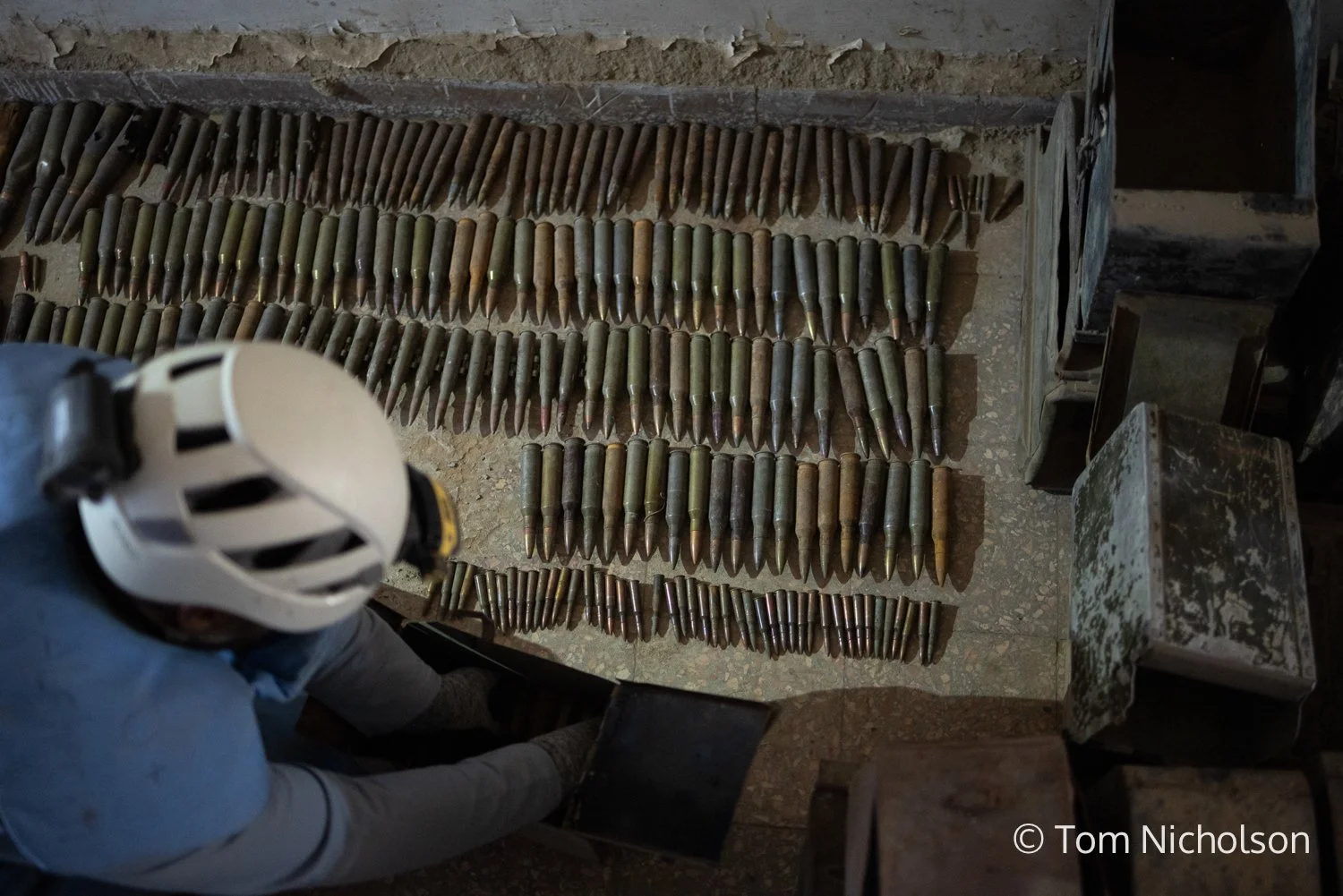
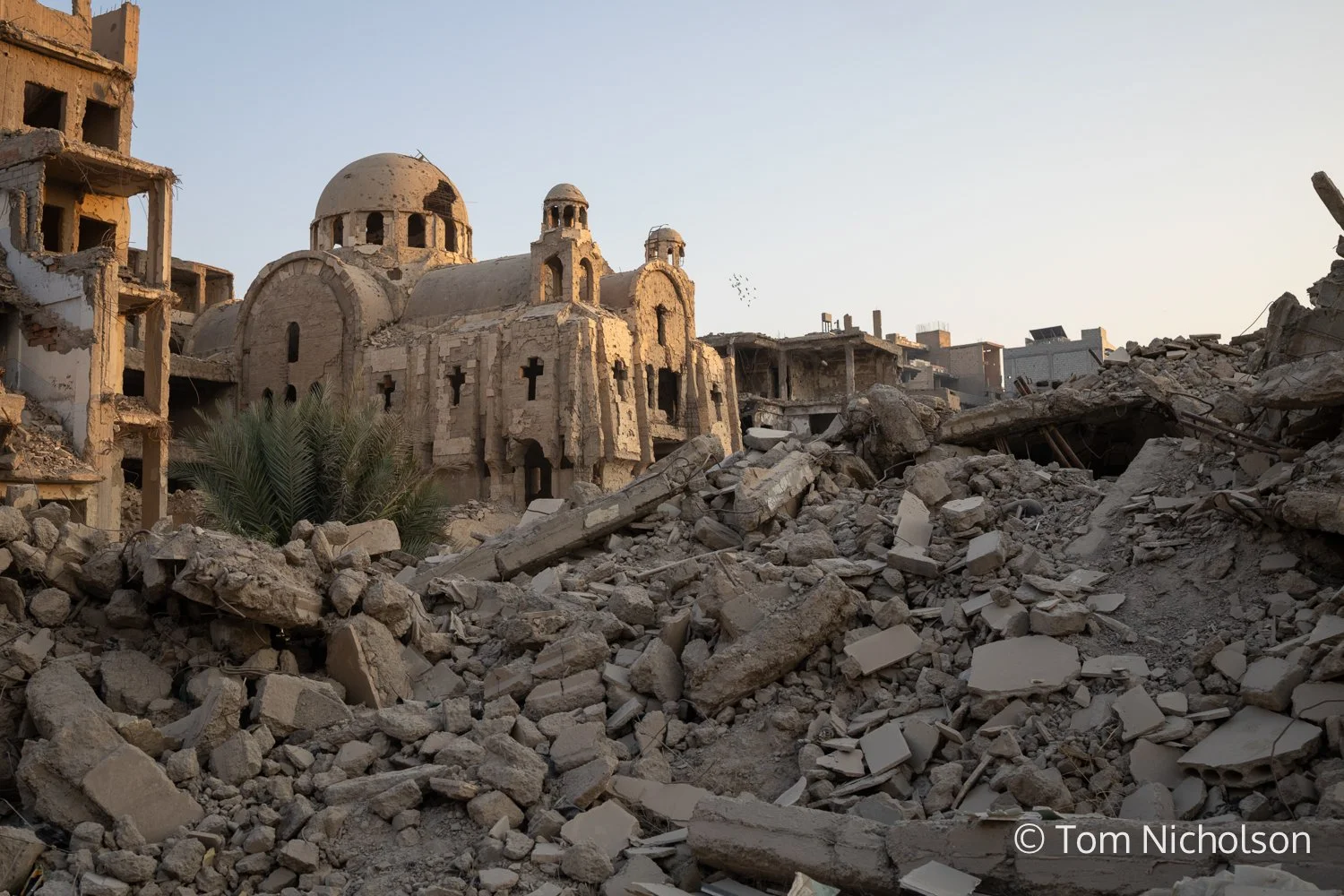
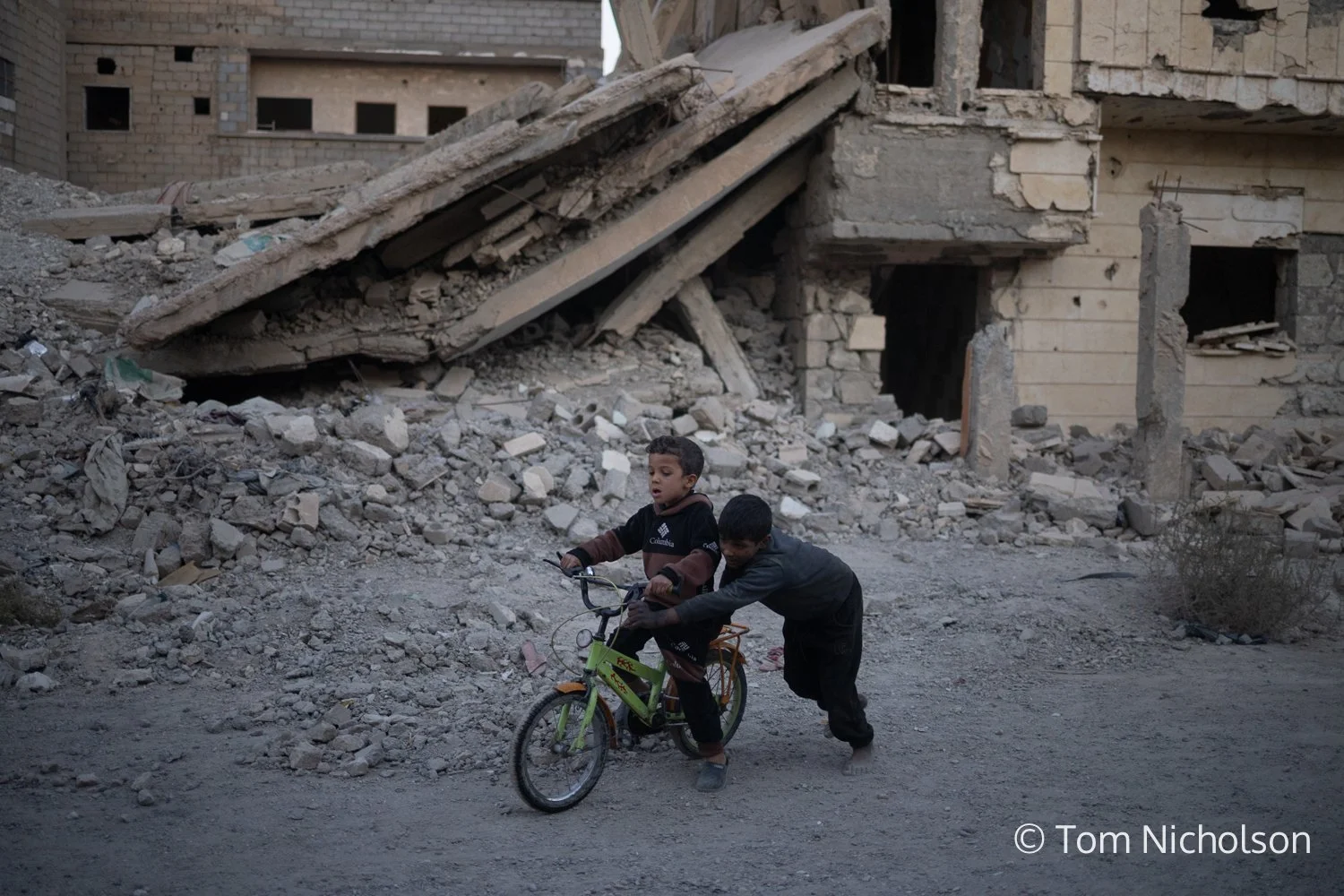
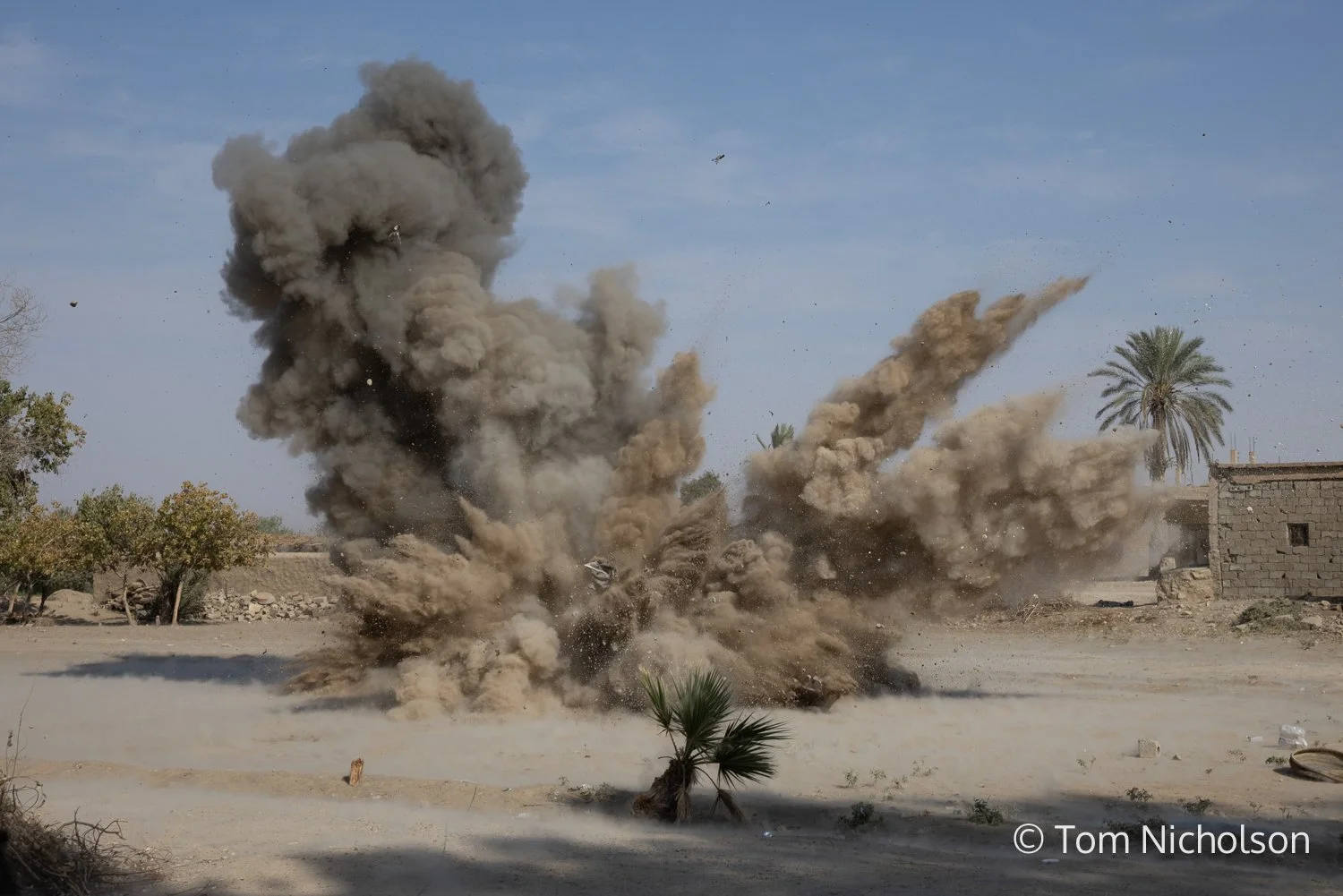
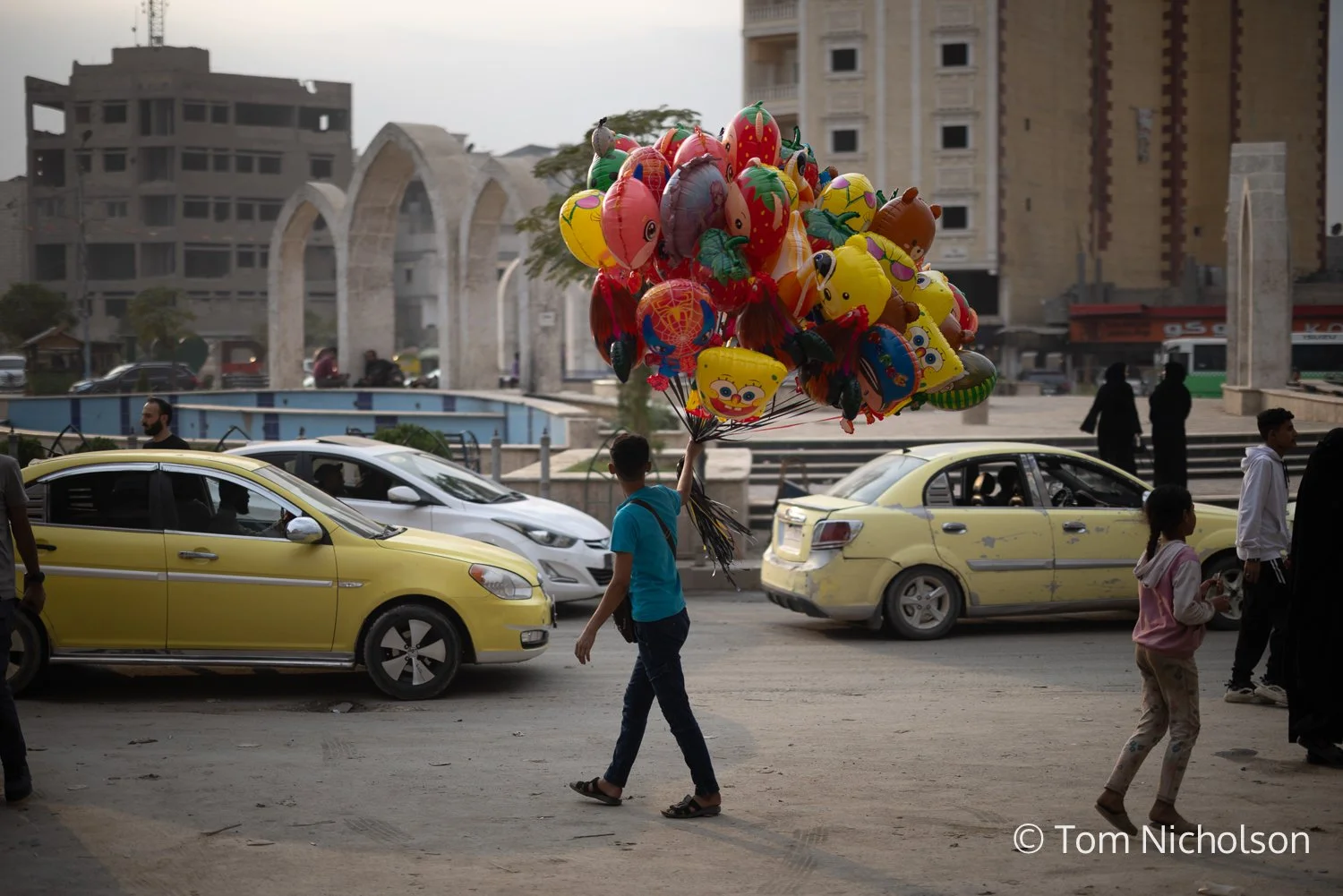
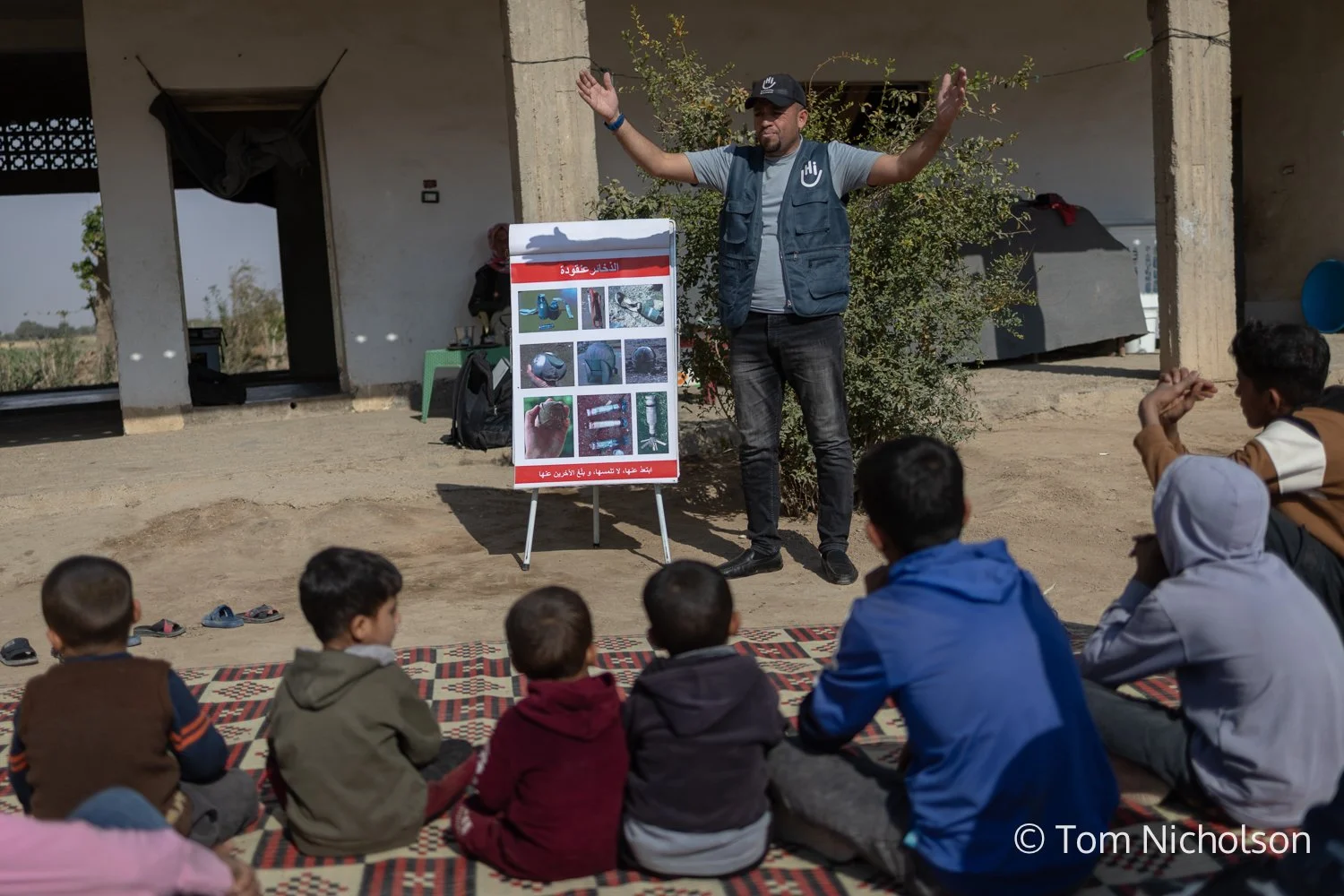
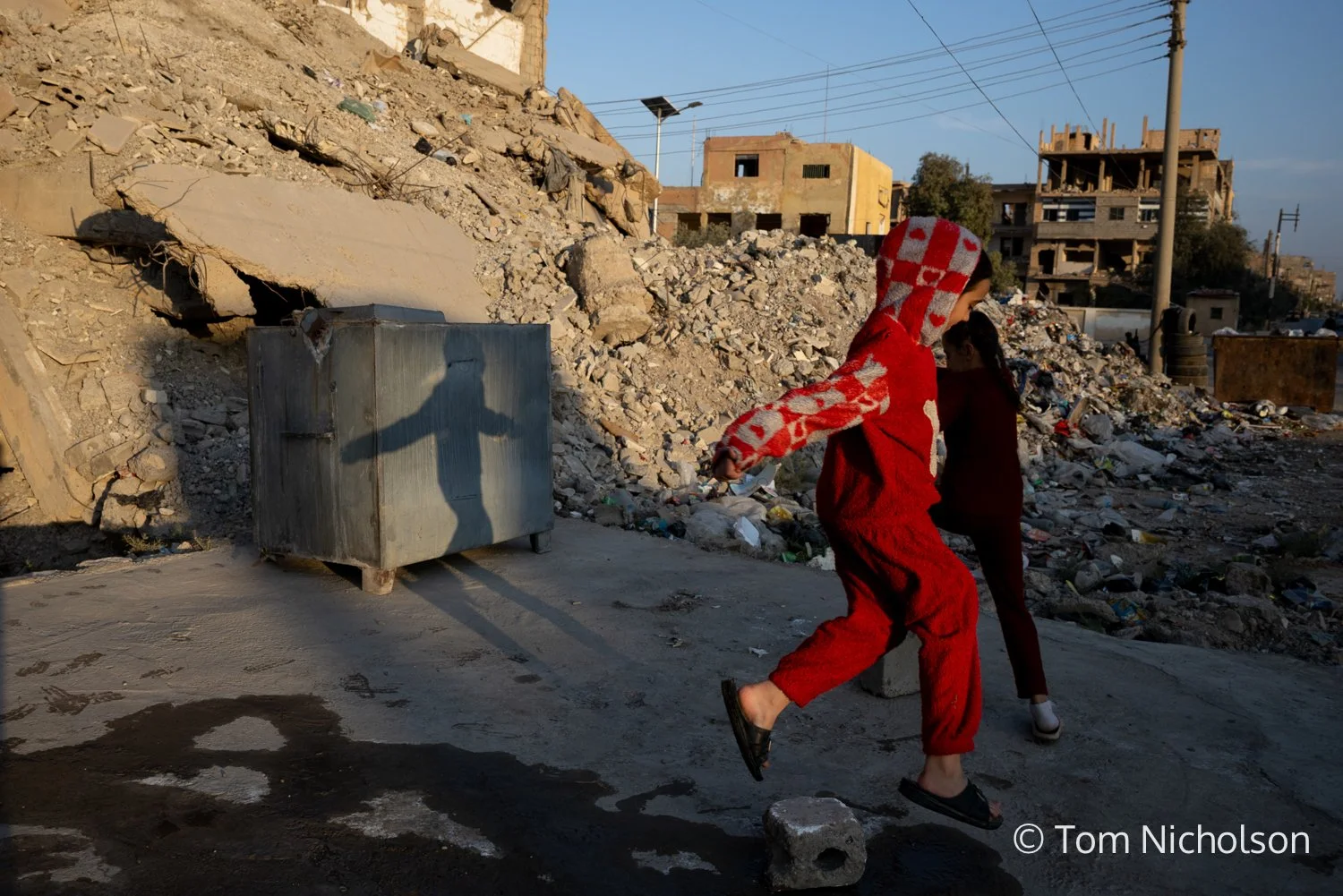
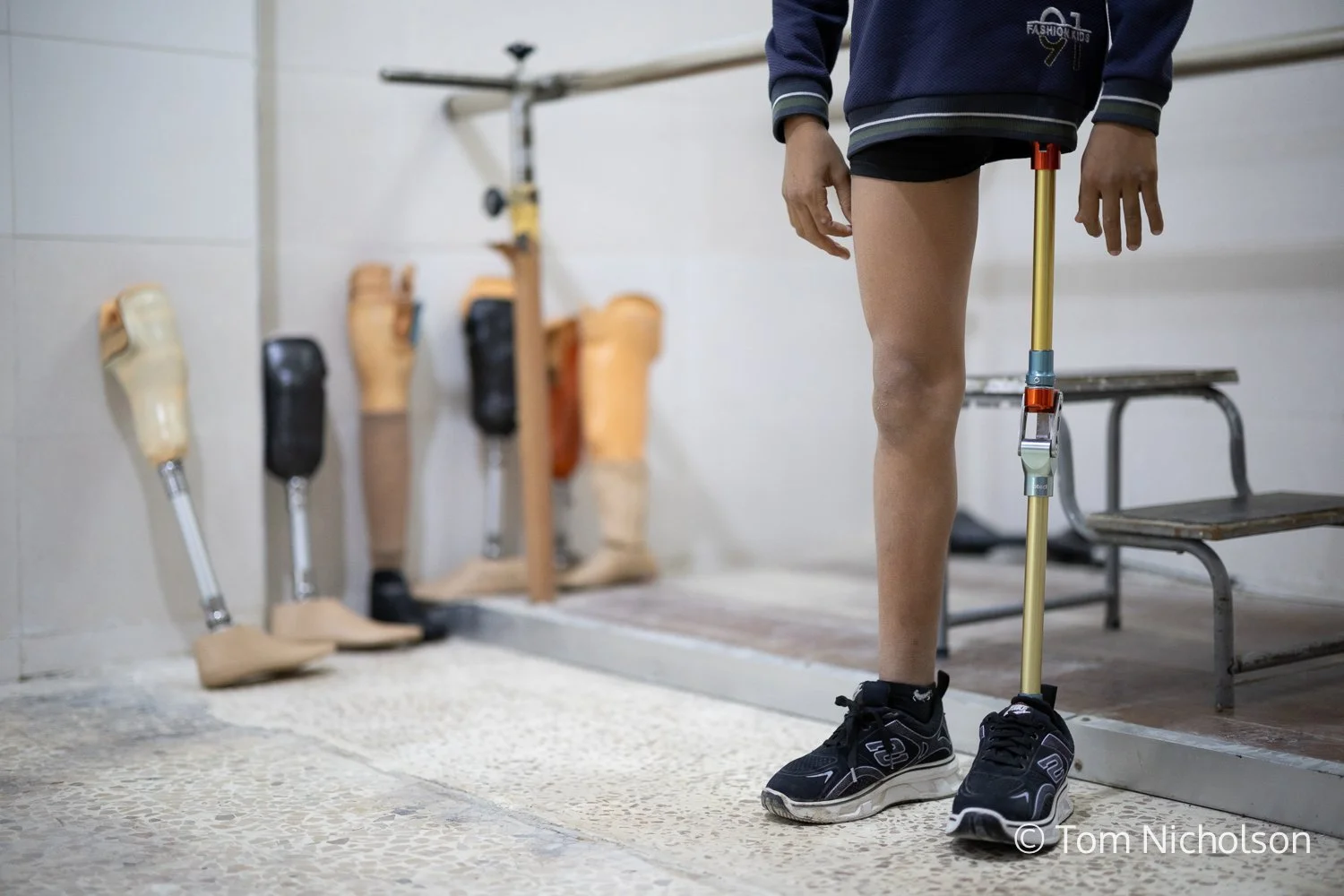
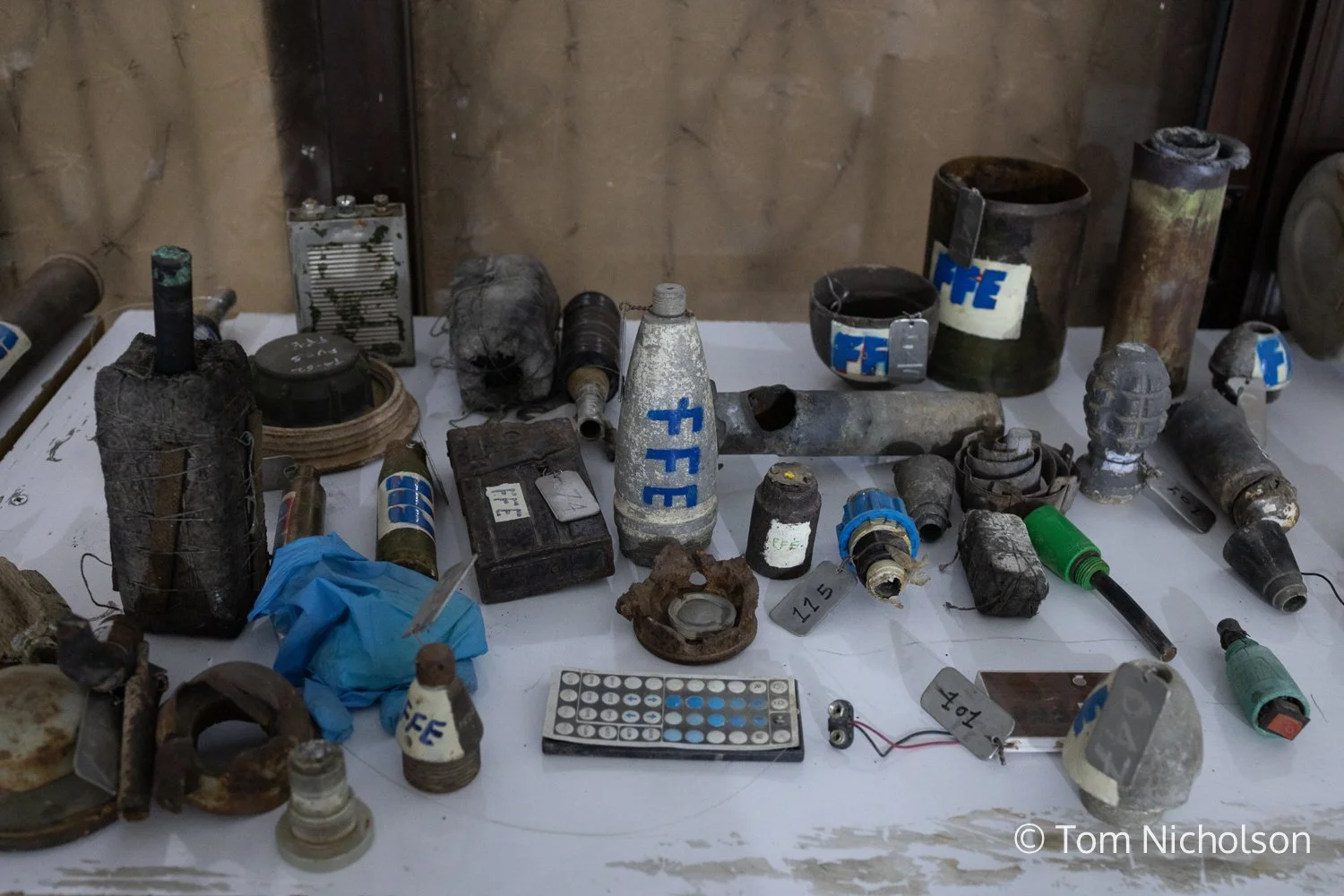
One year after the fall of the Assad regime, more than three million refugees and internally displaced Syrians have returned to their homes. However, due to the ever-shifting frontlines in the region, they return to the legacy of explosive remnants of war. Their homes, agricultural land and public buildings are all contaminated with weapons, unexploded ordnance and discarded munitions.
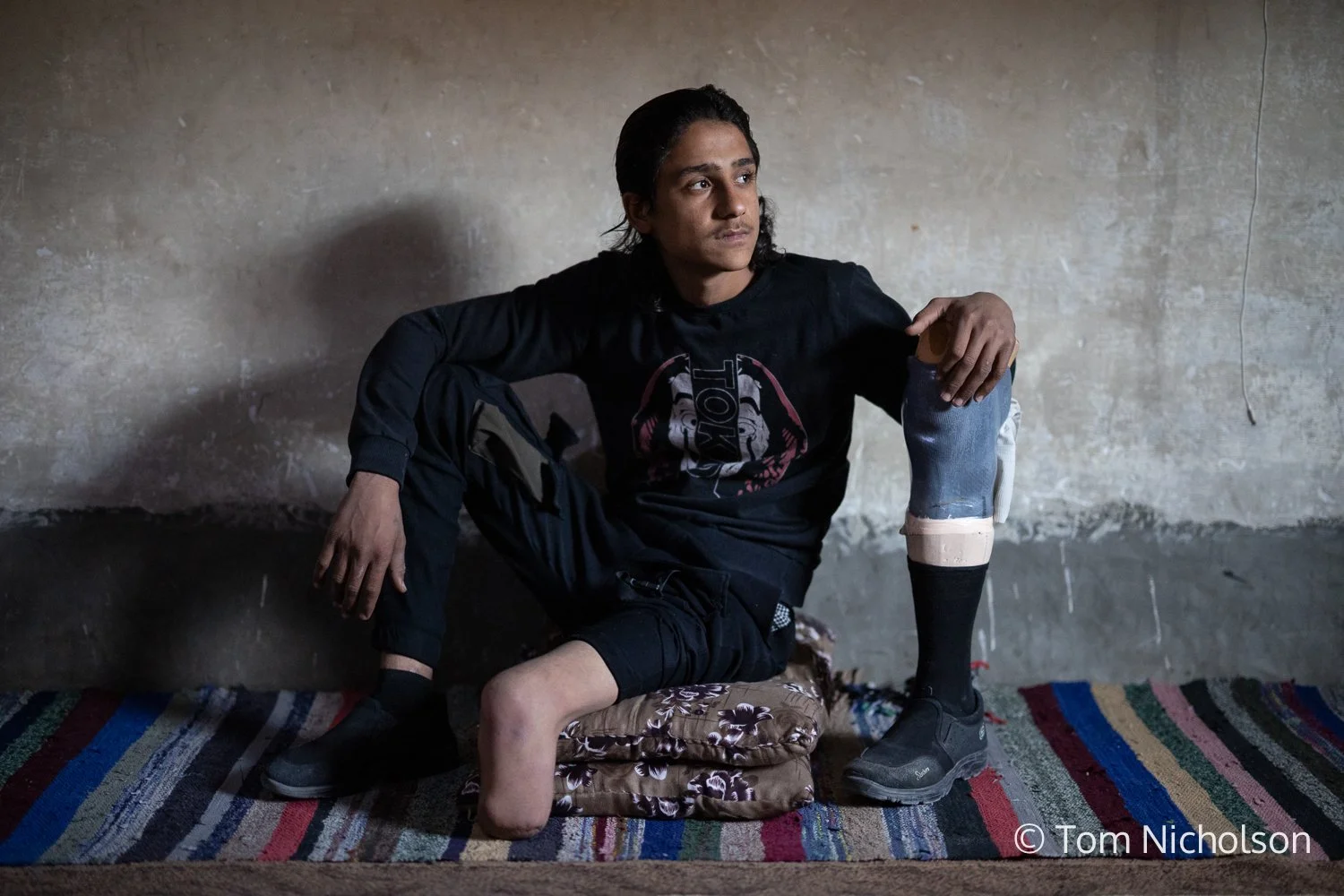
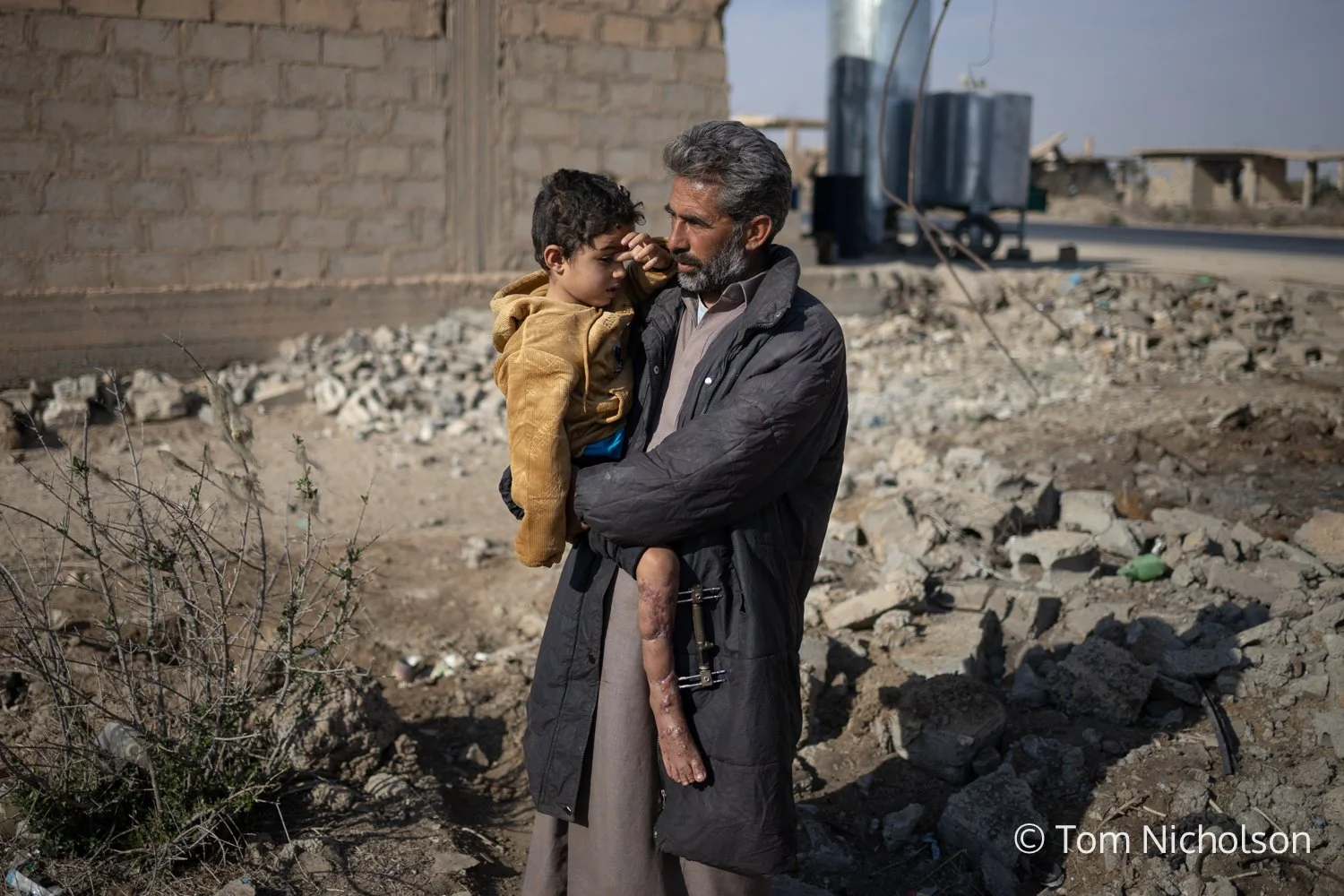
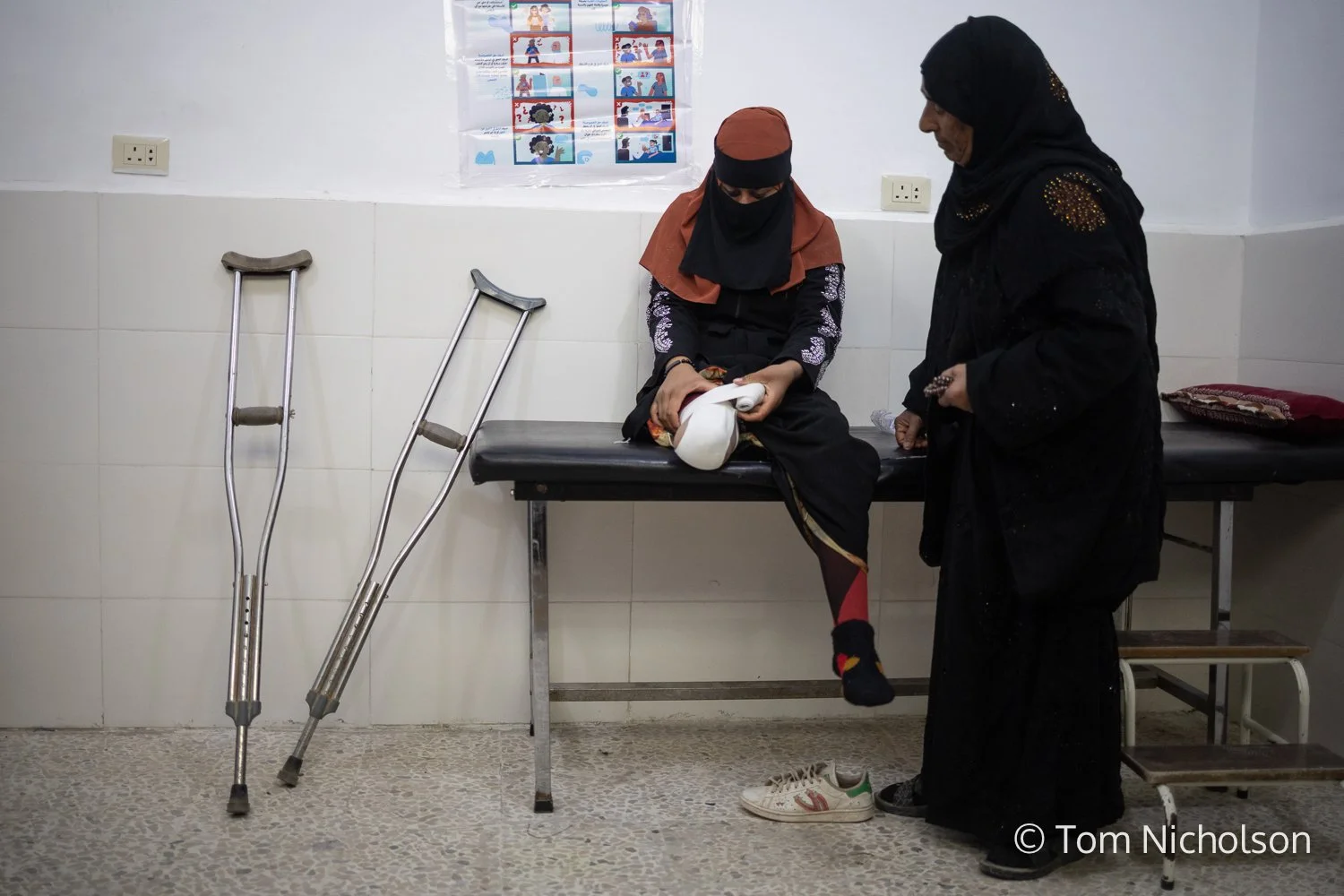
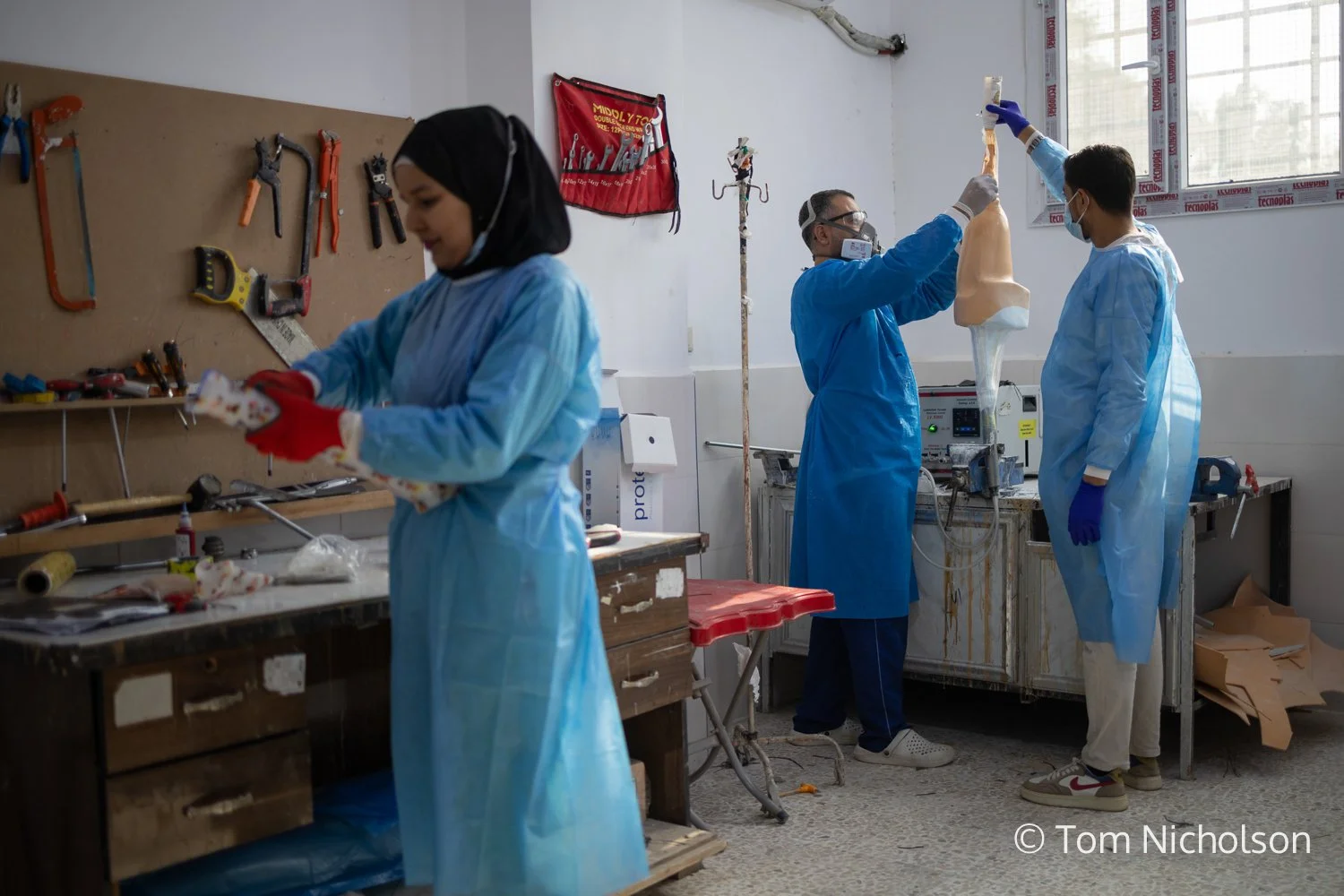
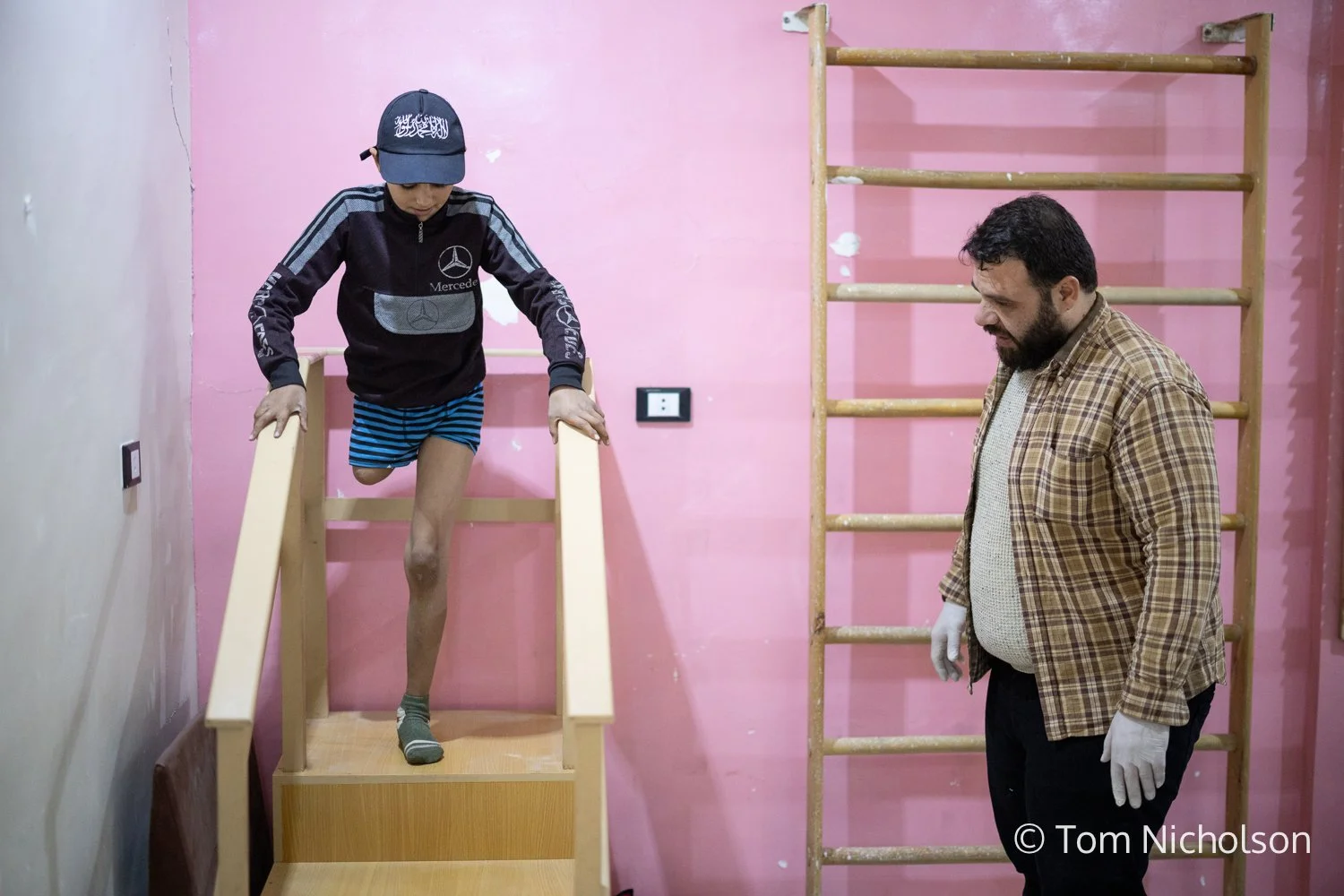
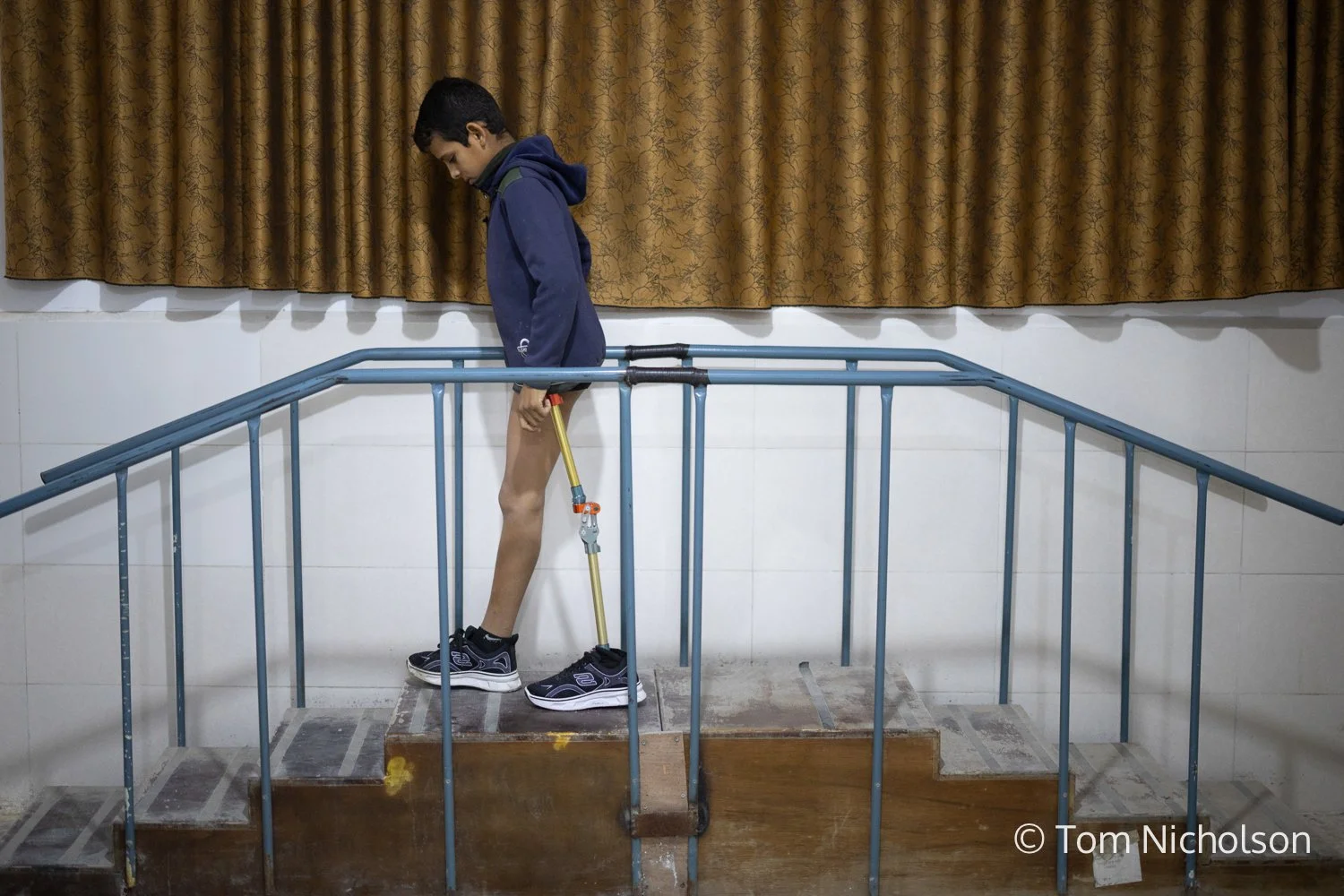
Children are often injured, losing limbs when they mistake explosives for toys, as well as shepherds who roam freely whilst tending to their sheep. More than one in three people in northeast Syria are disabled.
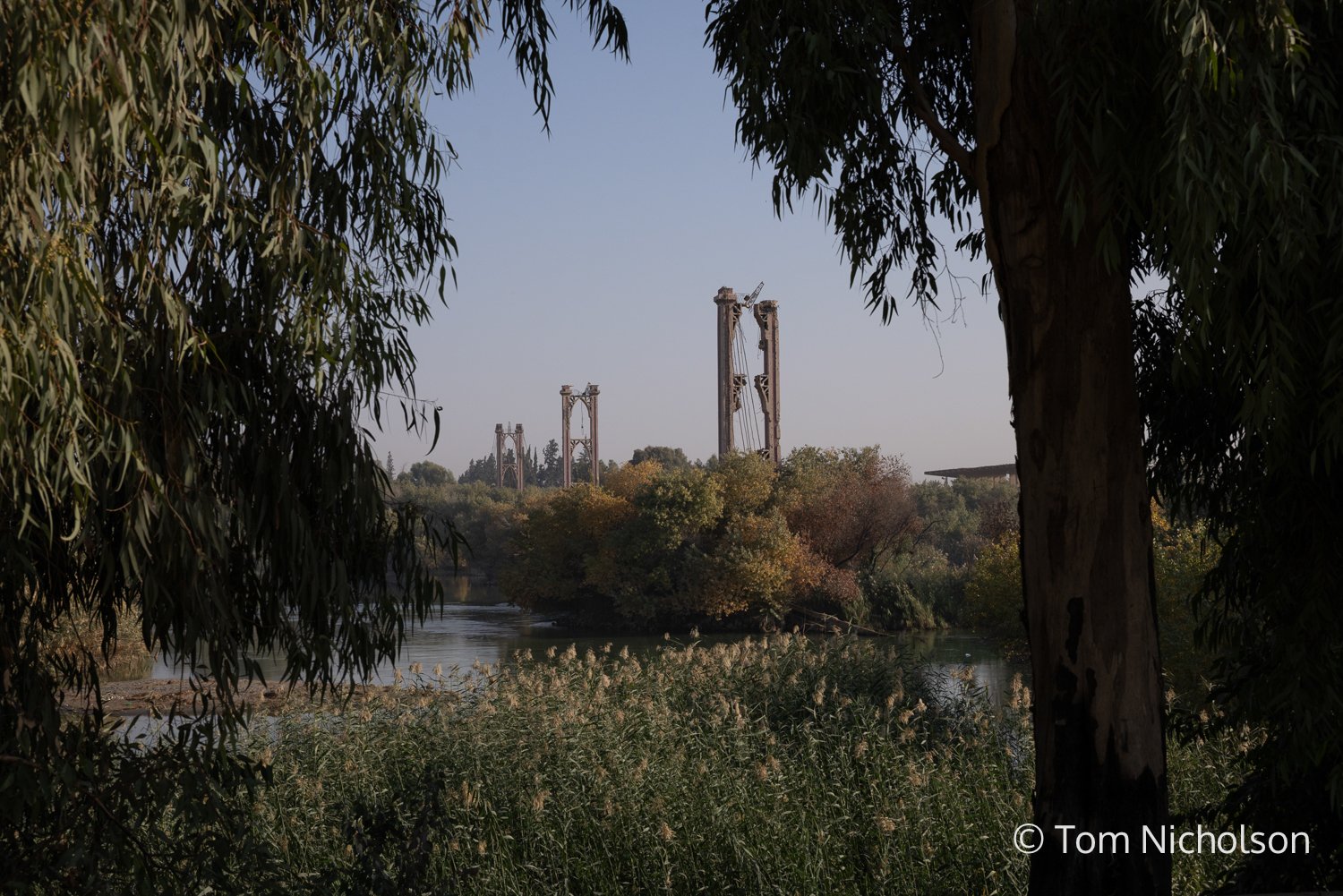
Deir ez-Zor, in northeast Syria, is one of the worst affected areas. Situated on the banks of the Euphrates river, the town has seen over a decade of conflict and instability. Some of the first anti-government protests in 2011 took place in Deir ez-Zor, and over the following 14 years it was controlled by a number of groups, including US-backed Kurdish forces, ISIS militants as well as the Assad regime and their allies.
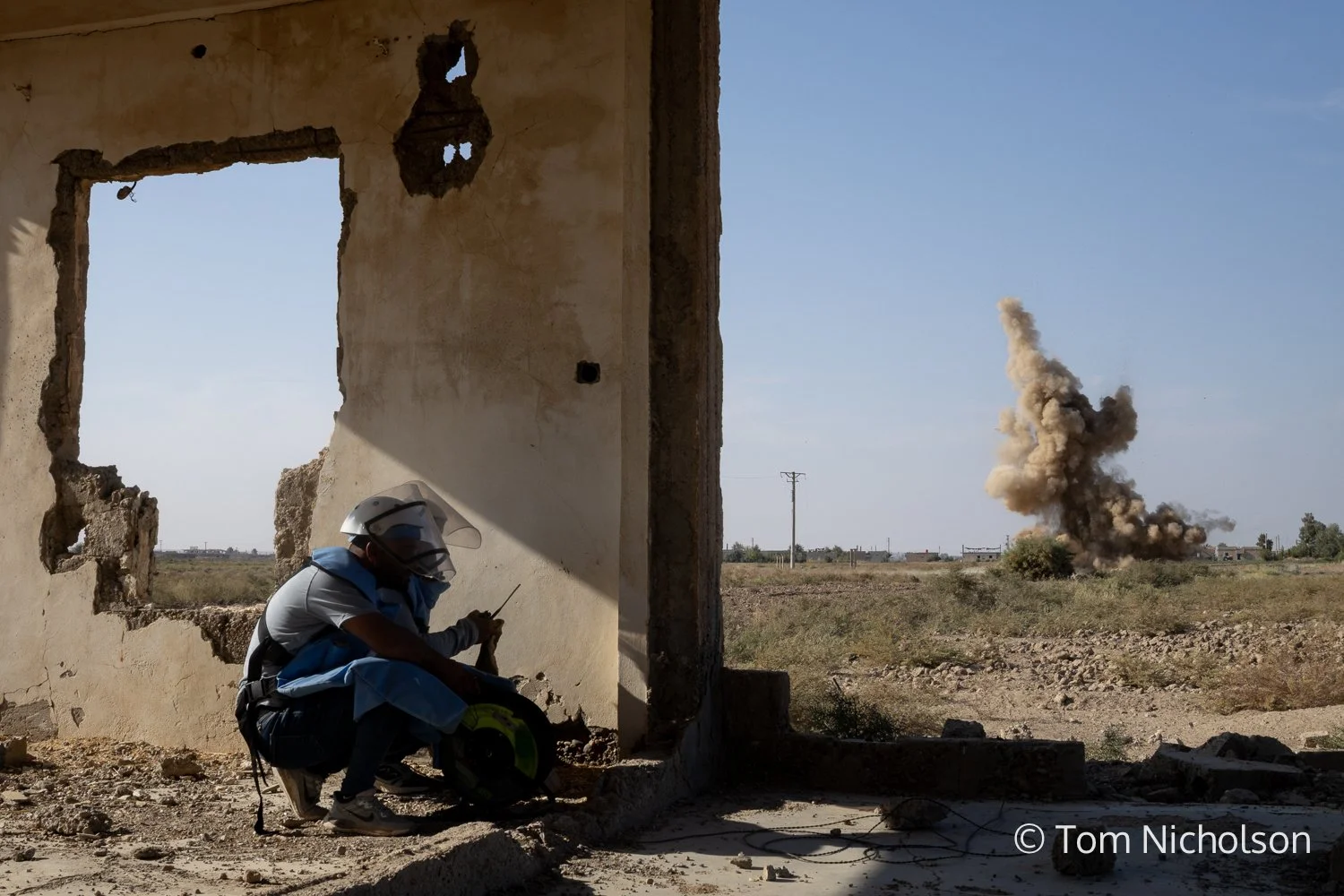
Against a backdrop of significant underfunding and substantial surge in need, organisations continue to clear unexploded ordnance and provide physical rehabilitation in order to help with the delivery of humanitarian aid, reconstruction and development.