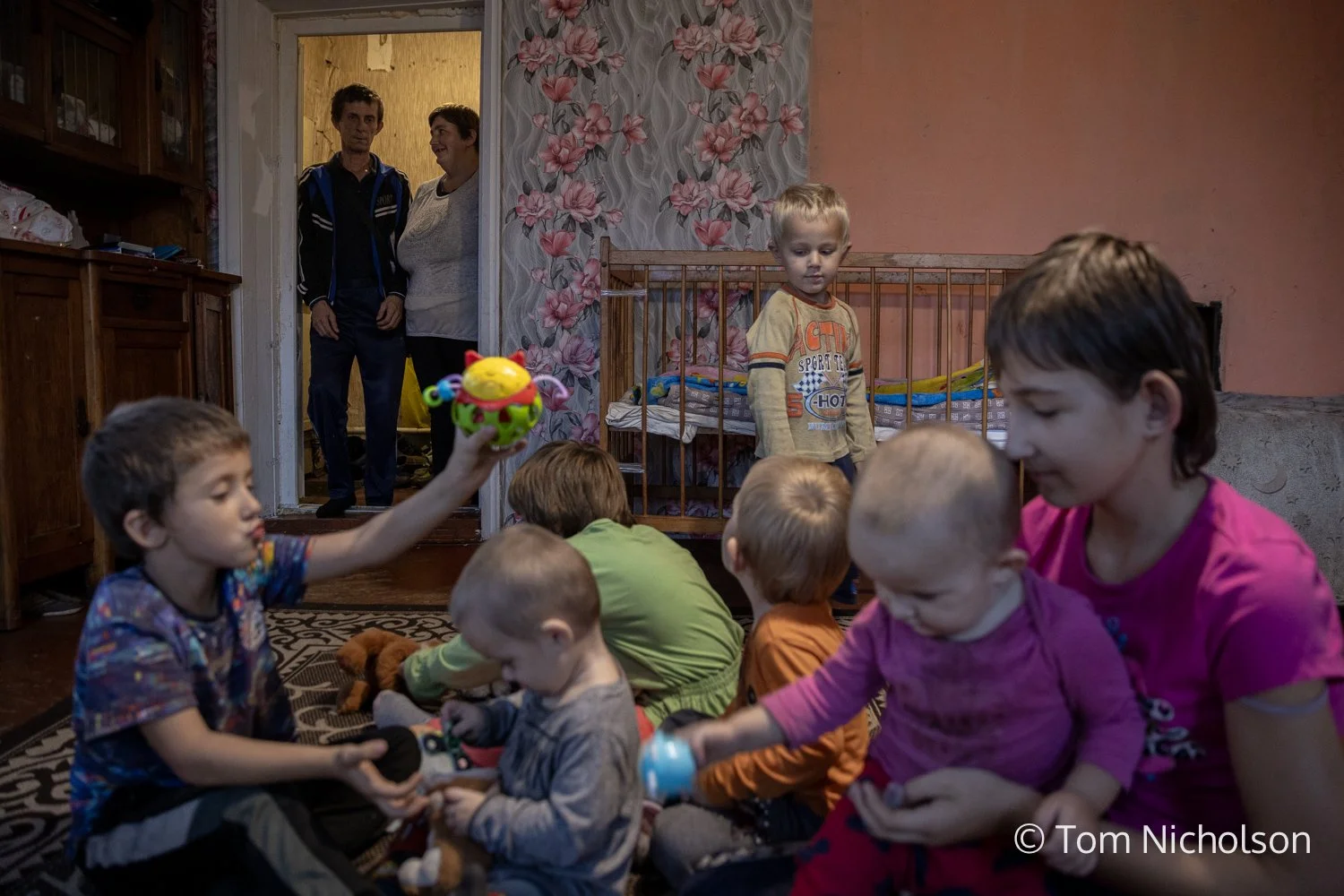
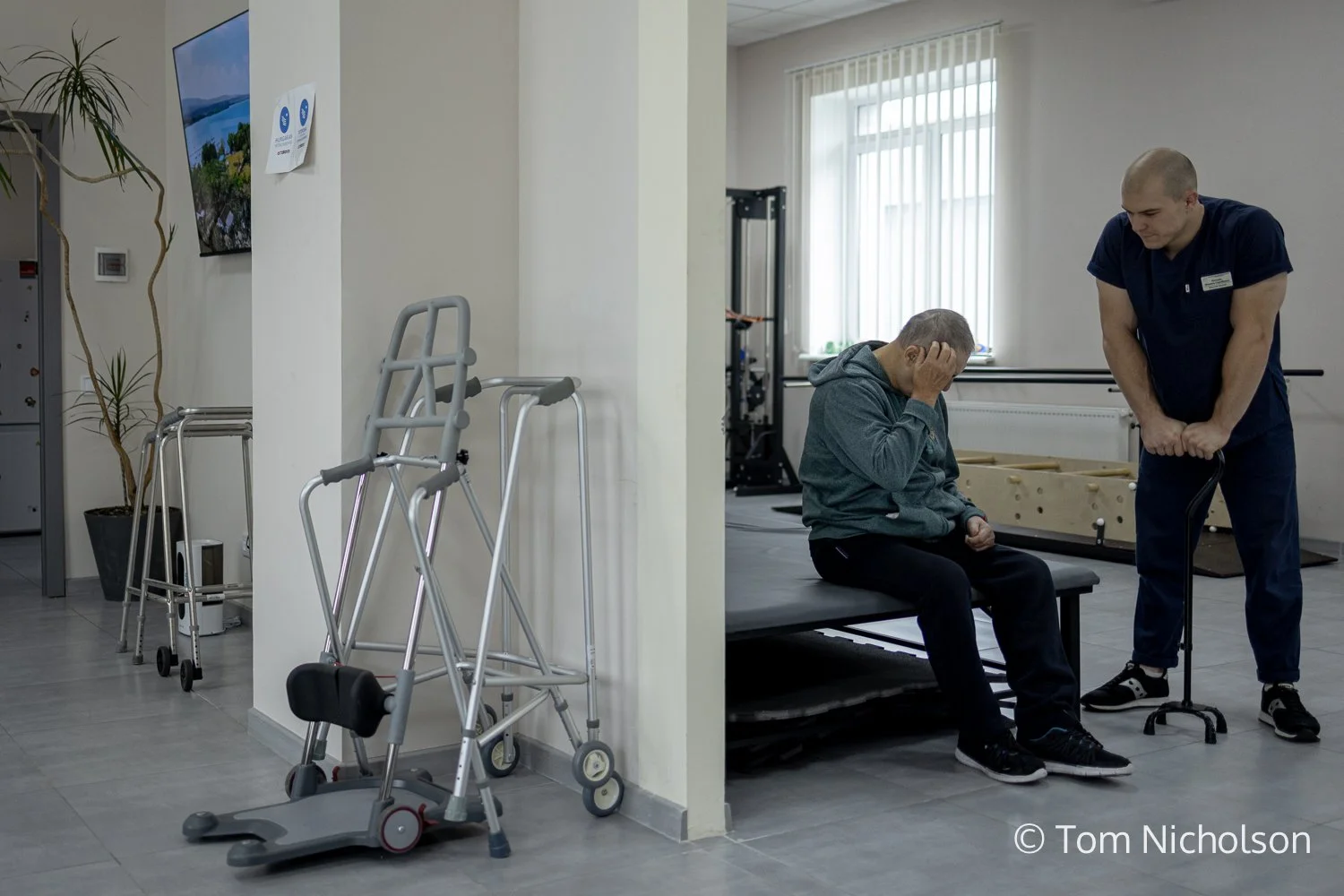
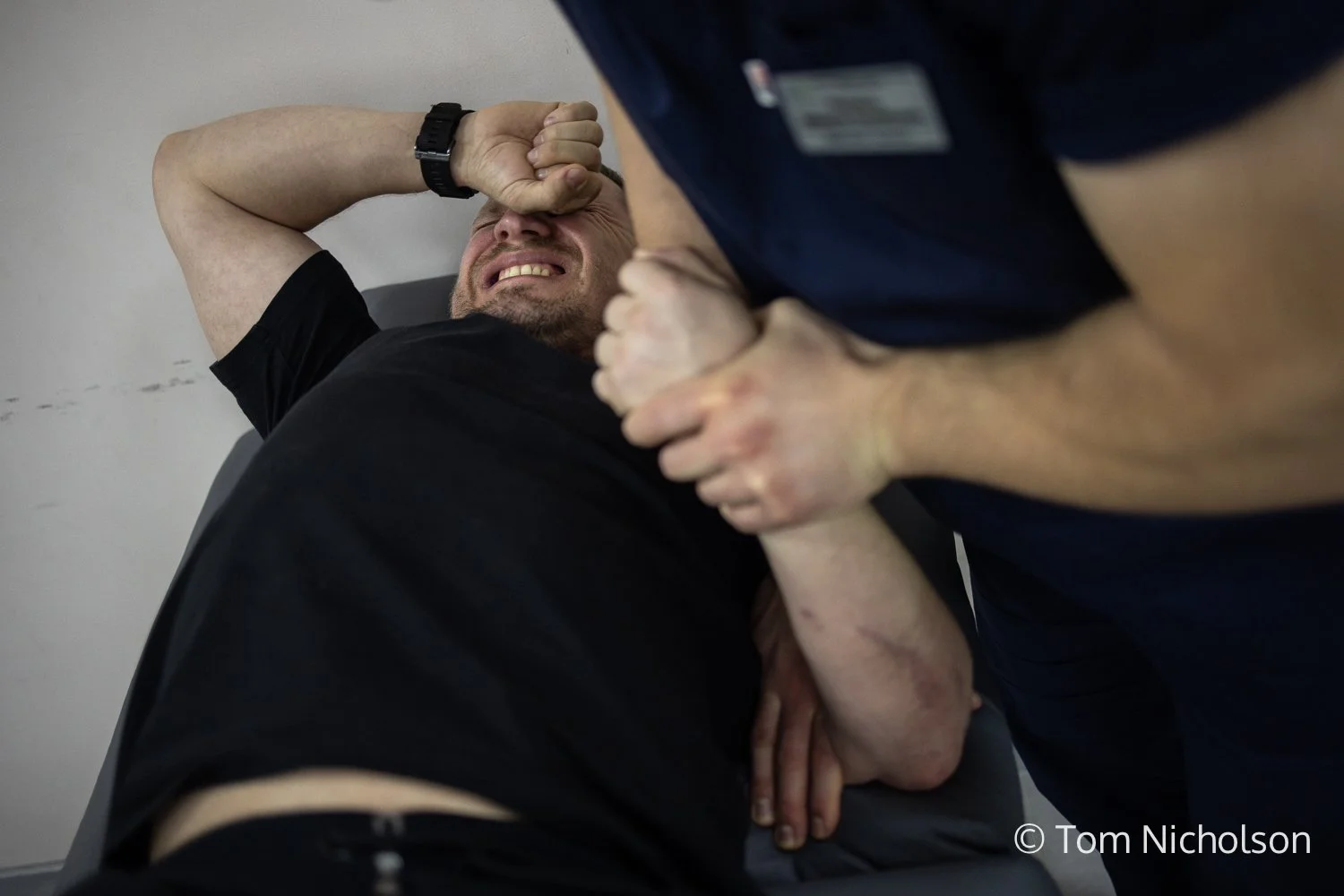
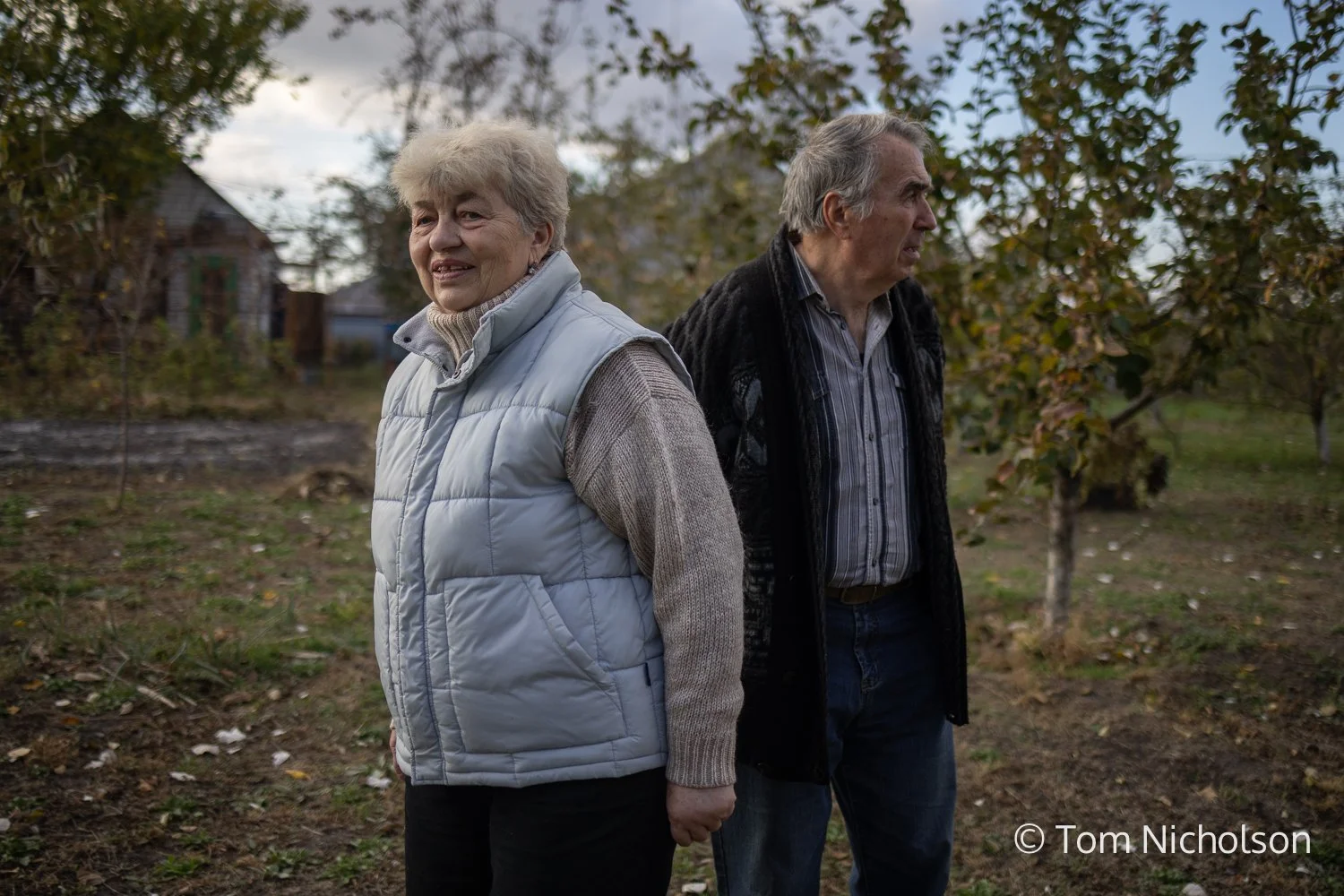
As battles are fought metre by metre on the frontlines in east Ukraine, a mental health crisis caused by successive generational trauma is unfolding, creating an issue deeper than just treating those affected by the invasion in February 2022.
According to a report by the United Nations Office for the Coordination of Humanitarian Affairs (OCHA), Ukraine already had “one of the highest mental health burdens in the world due to historical trauma.” Given the World Health Organisation predicts that one in five people who have experienced war or other conflict in the previous 10 years will have a mental health disorder, the issue is only set to grow.
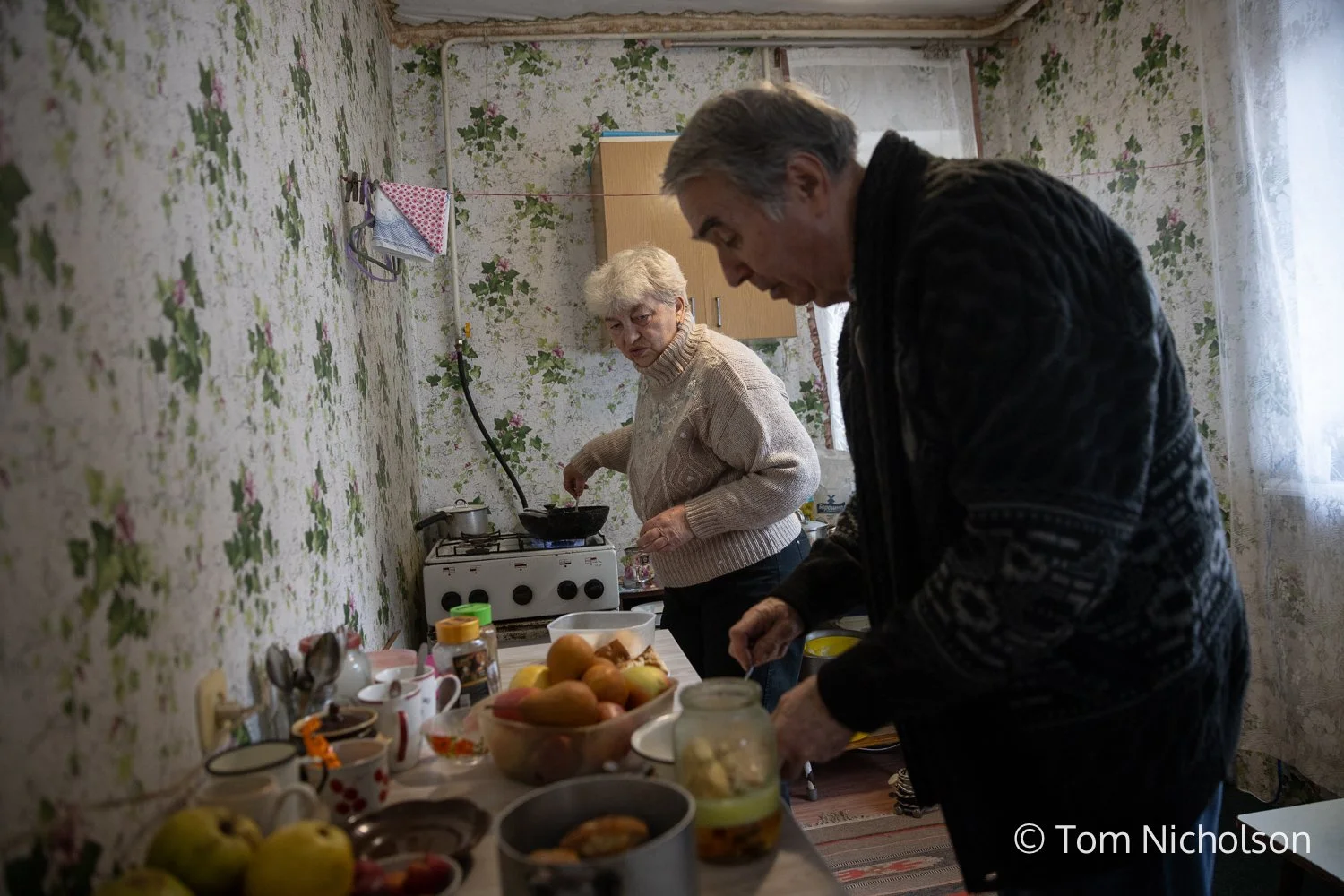
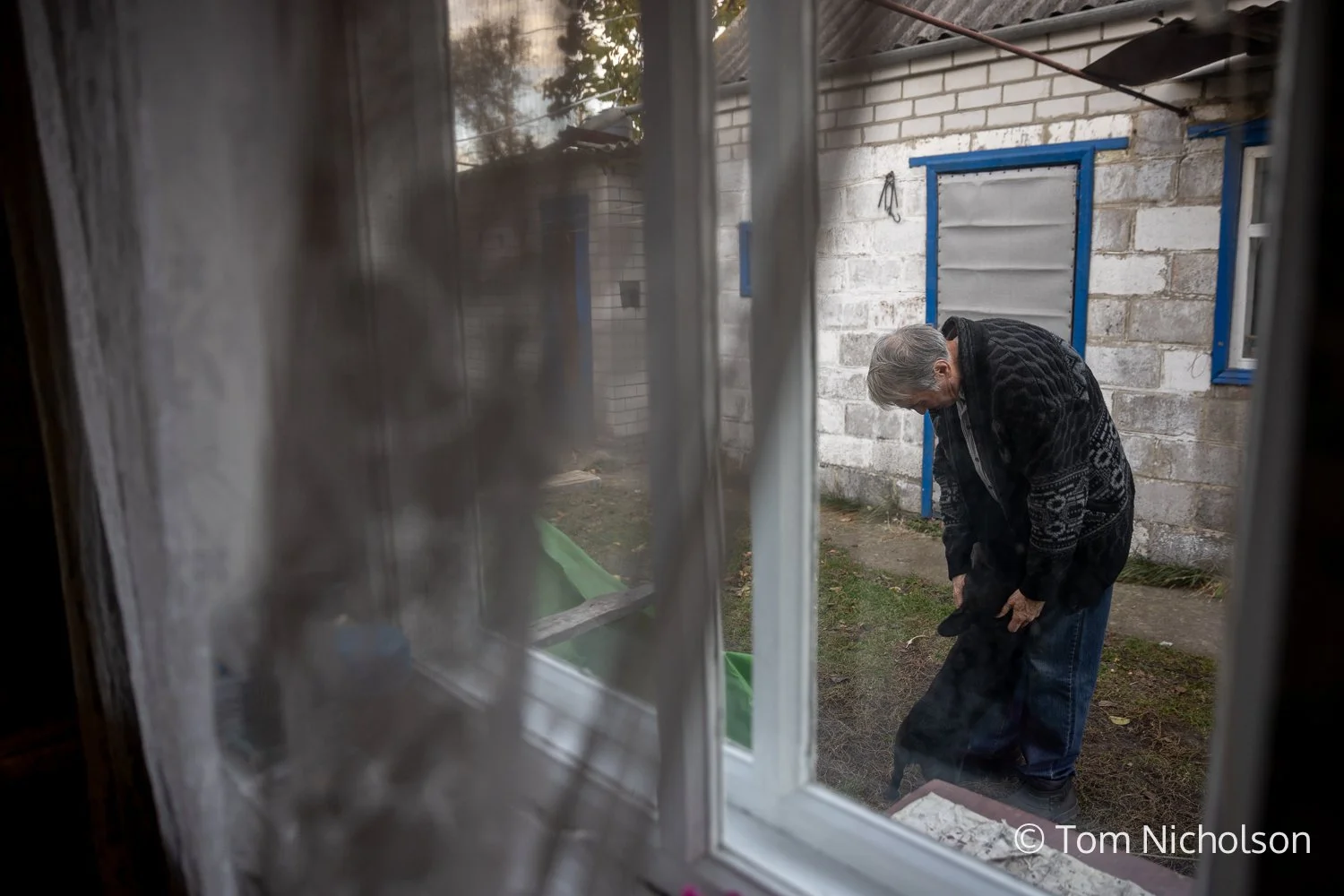
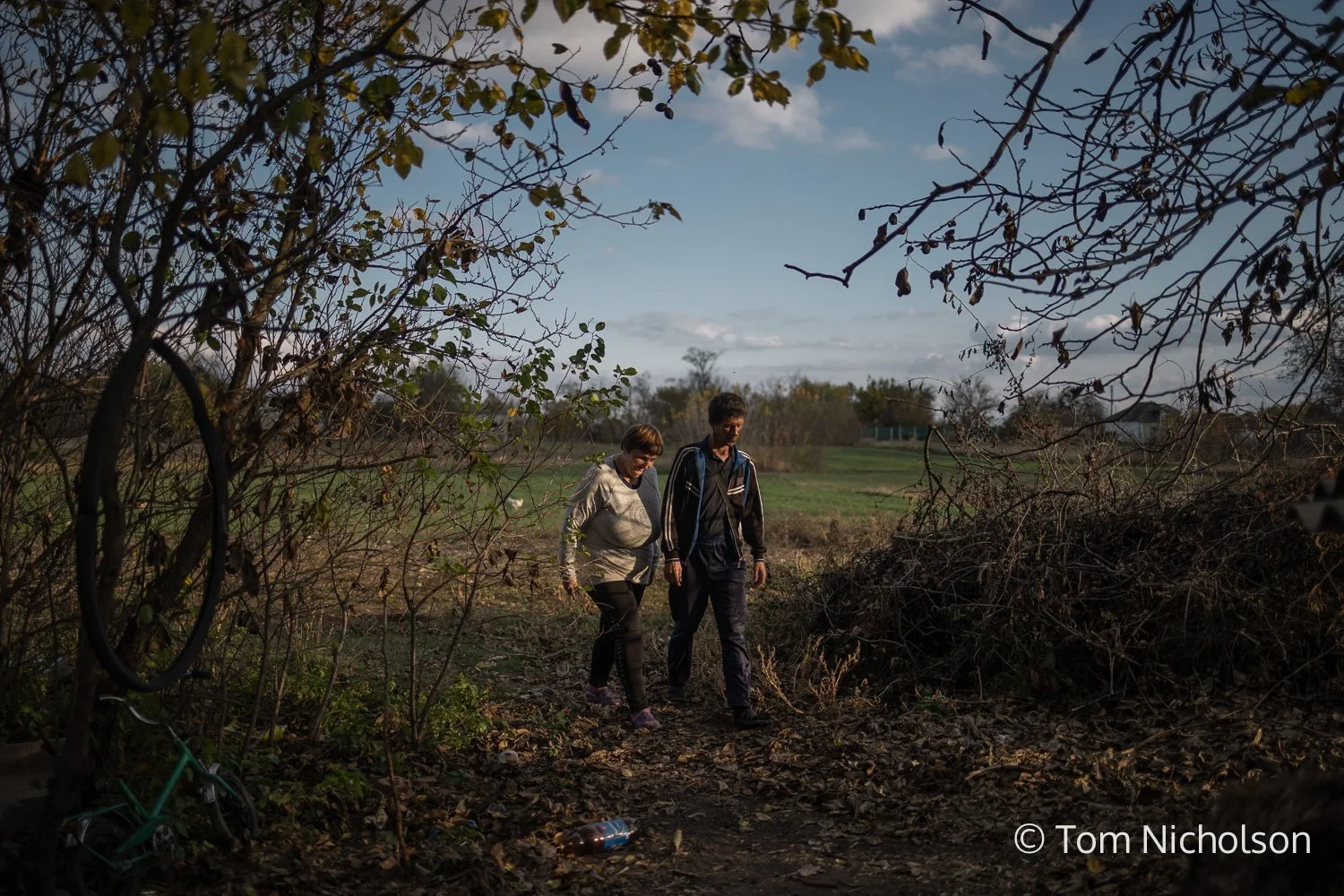
As winter begins to bite, a small community hub outside of Dnipro works to rebuild lives affected by the conflict. Tsarychanka, a small town 80 km northwest of the city, has received 1700 Internally Displaced People (IDPs) since the start of the war. With a population of just over 7000 before the war, those who chose to stay are dealing with a quieter, longer term burden.
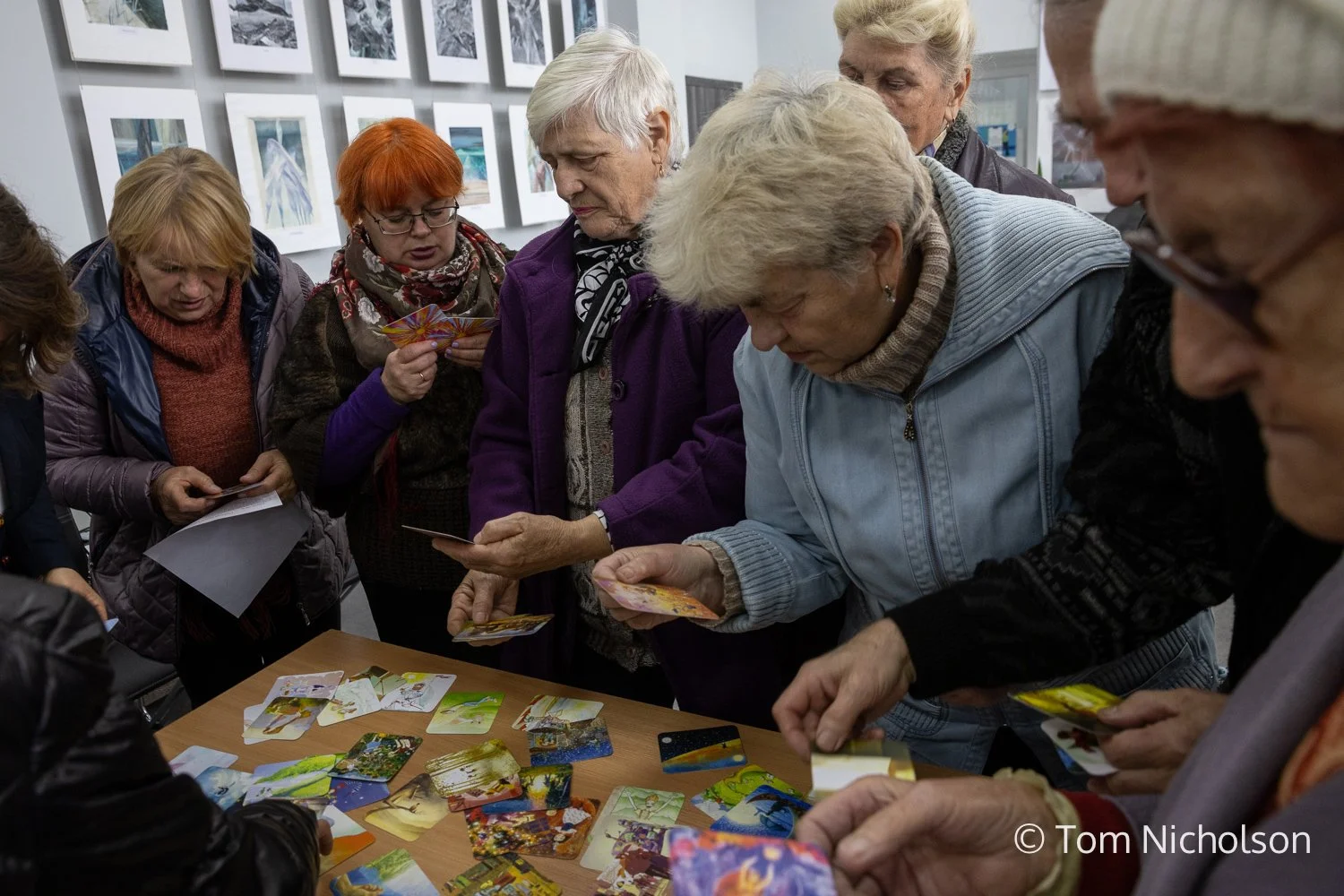
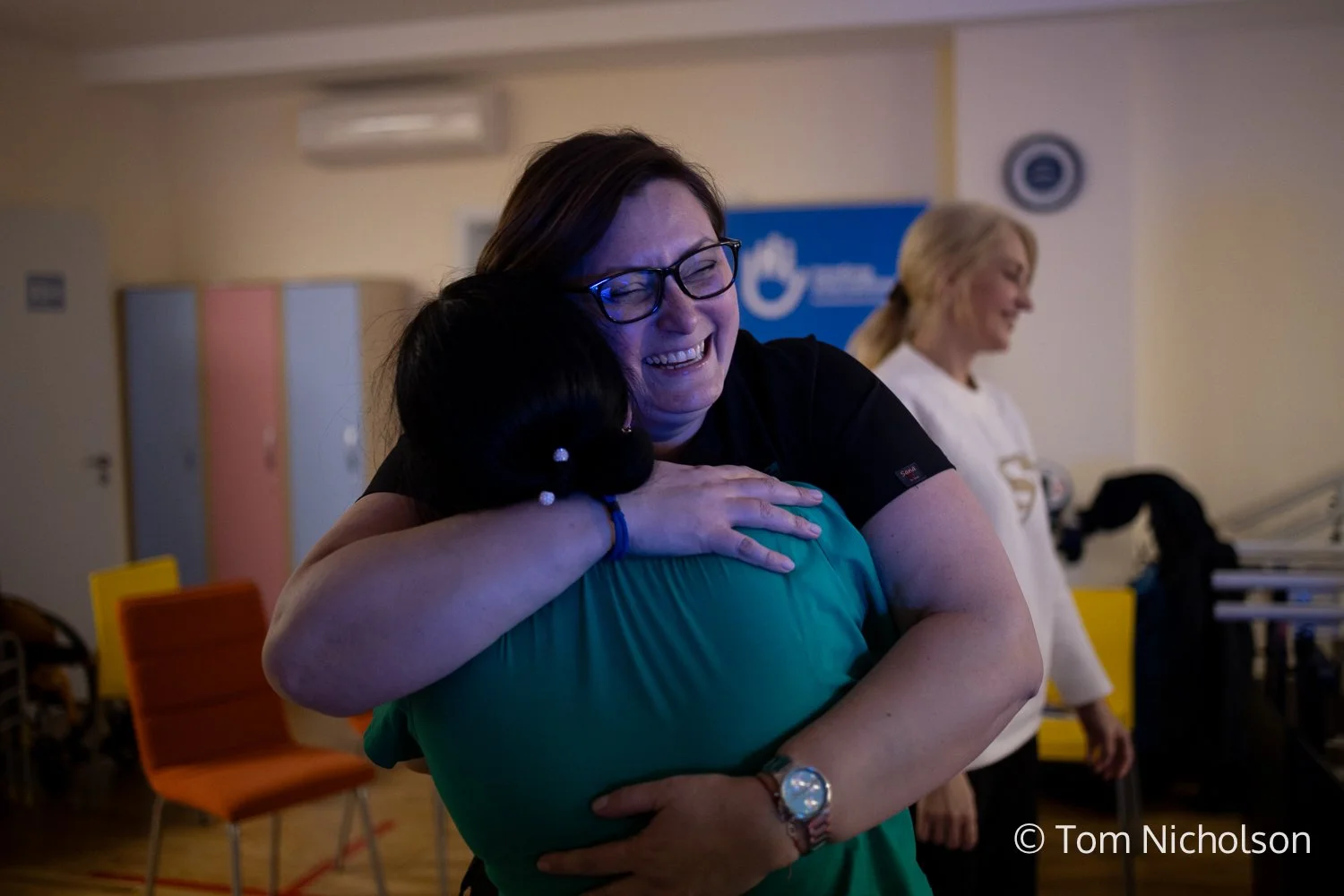
A group of 15, mostly women, sit in a horseshoe, still wearing their coats indoors. For most, it’s the first time they’ve met one another, and it will likely be one of their only social interactions of the week.
They are participating in a mental health awareness session run by Humanity & Inclusion (HI), focussing on the emotions attached to autumn and how to concentrate on positivity. The group is split into two, one half naming themselves the ‘Autumn Queens’ and the other ‘Golden Age’. They pin leaf-shaped notes to a tree, speaking of “nature, harmony and the colour of leaves”, quietly revealing their hopes for the future and memories of family.
The session is interrupted twice, firstly by the roar of a fighter jet overhead, leaving a nearby military base and heading to the front line near Zaporizhzhia, and shortly afterwards by an air raid alert, sent to some of the group’s smartphones. The Autumn Queens and the Golden Age do not flinch. Such alerts are now a part of daily life, and on this occasion they decide not to take cover, and continue the session.
There is a particular great distrust of mental health services amongst older generations, as a result of the Soviets often using psychiatric diagnoses as justification for incarcerating dissidents. With a system already under suffocating strain and so many in need, NGOs and private organisations are working relentlessly to provide support.
Text adapted from a long form feature. Dnipropetrovsk Oblast - October 2023.